




Not Your Average Sabzi Staple
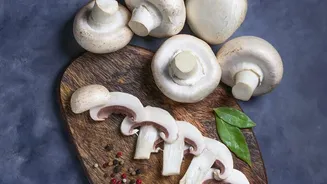
When you think of mushrooms in an Indian context, your mind likely goes to mushroom masala or a hearty biryani. But the fungi currently making waves in urban cafes are a different breed altogether. We're not talking about the familiar button or shiitake
mushrooms, but rather 'functional' or 'medicinal' varieties like Lion's Mane, Reishi, and Chaga. These have been staples in traditional Chinese and Japanese medicine for centuries, but are now entering mainstream wellness culture in India. Unlike their culinary cousins, these mushrooms are celebrated less for their taste and more for their potential health properties, which has chefs and baristas experimenting with them in entirely new ways.
The Wellness and Adaptogen Appeal
The driving force behind this trend is a growing interest in wellness and 'adaptogens'. Adaptogens are plants and fungi believed to help the body manage stress and maintain balance. Reishi, for example, is often associated with calmness and immune support, while Lion's Mane is gaining attention for its potential cognitive benefits. This has led to the rise of 'functional beverages'—drinks that do more than just hydrate or caffeinate. For many, mushroom coffee offers the energy lift of a regular brew but without the jitters or subsequent crash, creating a smoother, more balanced experience. As consumers increasingly look for natural, food-based solutions for wellness, these fungi-powered recipes are becoming a popular choice.
From Mushroom Coffee to Meaty Steaks
Mushroom coffee is the gateway, but the creativity doesn't stop there. The Indian market for mushroom coffee is projected to grow significantly, reaching over $228 million by 2033. Brands are now offering everything from instant powders to whole beans infused with mushroom extracts using new patented technology. But beyond drinks, the unique textures of these mushrooms are being explored. Lion's Mane, which has a fibrous, meaty quality, is being used to create vegan 'crab' cakes, sandwich fillings, and even steaks. Delhi's Agama Cafe, for instance, serves a Lion's Mane steak and uses mushrooms it grows in-house for its farm-to-table plant-based menu. Some chefs are even reimagining classic Indian dishes, like a Lion's Mane biryani.
An Acquired Taste or a Flavour Revolution?
Of course, the big question is: what does it all taste like? No one wants their morning coffee to taste of soup. The flavour of functional mushrooms is generally subtle and earthy. Chaga can have a mild, coffee-like depth, while Lion's Mane is often described as having a delicate, seafood-like taste. The key for chefs and baristas is balance. In coffee, the mushroom notes are usually a background earthiness that complements the roast. In food, the savoury 'umami' quality of mushrooms enhances other flavours. The taste is a core part of the conversation; it's a new flavour profile that challenges palates and gets people talking, debating whether it’s a wellness fad or a genuinely delicious innovation.
The Trend Takes Root in India
While still emerging, the functional mushroom trend is finding fertile ground in India. It taps directly into several larger shifts: a demand for healthier, plant-based options, an interest in 'clean label' products, and a desire for new culinary experiences. Urban consumers, particularly in cities like Bengaluru, Mumbai, and Delhi, are more open to experimenting with global wellness foods and drinks. For cafes, offering a Reishi-infused tea or a Lion's Mane latte is a way to stand out and attract curious customers. As brands make these mushrooms more accessible through online stores and even quick commerce apps, what was once a niche wellness product is steadily entering the daily routines of health-conscious Indians.