
The November Light Deficit
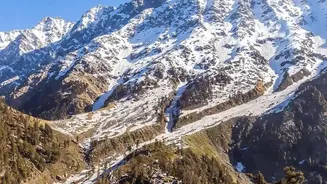
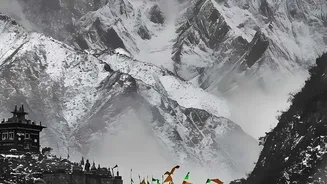
November is a transitional month in the Himalayas, caught between the retreat of autumn and the onset of deep winter. While the post-monsoon weather often provides stable conditions and spectacular, unobstructed views of the peaks, it also means the sun's
time in the sky is noticeably reduced. In popular trekking regions, you can expect daylight to fade rapidly in the late afternoon. For instance, in areas like the Annapurna or Everest regions, the sun might rise around 6:30 AM and set as early as 5:00 PM. This gives you a much smaller window for trekking compared to the long days of spring or early autumn. This isn't just about enjoying the view; it's a critical safety factor. Every hour of lost daylight is an hour you cannot afford to be on the trail, especially at high altitudes where temperatures plummet dramatically the moment the sun disappears.
Rethink Your Daily Itinerary
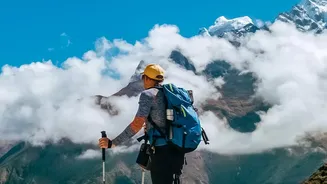
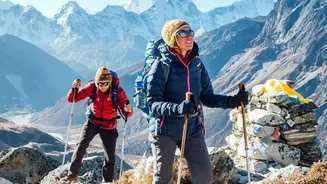
The golden rule for November trekking is 'start early, finish early'. While a 7 or 8 AM start might feel leisurely in other seasons, in November it can put you under pressure. Aim to be on the trail shortly after sunrise to maximize your daylight hours. This allows you to cover the day's distance at a steady, safe pace without rushing. More importantly, plan to arrive at your destination—be it a teahouse, lodge, or campsite—by 3 or 4 PM at the latest. This gives you a crucial buffer. If you encounter an unexpected delay, like a tricky section of trail or a member of your group feeling unwell, you won't be forced to navigate challenging terrain in the encroaching darkness and cold. Walking in the dark significantly increases the risk of slips, falls, and getting lost.
Essential Gear for Shorter Days
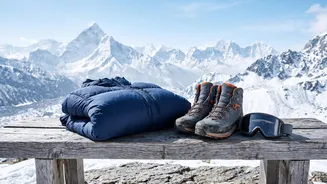
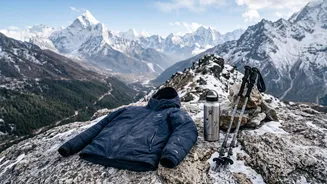
Your packing list for a November trek must account for the limited light and cold. The single most important piece of extra gear is a reliable headlamp with a fresh set of backup batteries. Even if you plan perfectly, you must be prepared for the possibility of being caught out after sunset. Test your headlamp before you leave home. A smartphone flashlight is not a suitable substitute. Beyond lighting, your gear should focus on warmth. As soon as the sun sets, temperatures can drop below freezing, especially at higher elevations. Ensure you have layered clothing, including a thermal base layer, a fleece mid-layer, and a windproof and waterproof outer jacket. A warm down jacket is essential for evenings in unheated teahouse common rooms and chilly mornings. Don't forget a warm hat, gloves, and thermal socks. Your comfort and safety in the cold hours are just as important as during your sunlit walking time.
Impact on Acclimatization and Pace
Shorter days can subtly affect your acclimatization schedule. Rushing to beat the sunset can lead to ascending too quickly, which is a primary trigger for Acute Mountain Sickness (AMS). The 'start early, finish early' mantra helps here, too. It allows you to maintain a slow and steady pace, which is vital for letting your body adjust to the altitude. Listen to your guide and your body, and never push to cover 'just one more village' if it means trekking into dusk. The reduced daylight also means less time for leisurely acclimatization days. Plan your rest days carefully and use the daylight hours for short, gentle walks around your current altitude to aid the process, rather than attempting long side-trips that might have been feasible in other seasons.
Choosing the Right November Trek
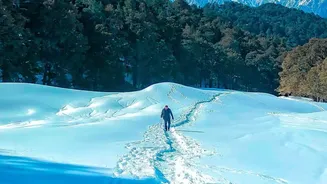
Not all treks are equally suited for November's conditions. High-pass crossings that require exceptionally long days, such as those on the Manaslu Circuit or the Annapurna Circuit, become more challenging and require very early, pre-dawn starts in the cold. While still possible, they demand a higher level of fitness and experience. For many trekkers, especially beginners or those with limited time, lower-altitude treks are a better fit for November. Routes like the Kedarkantha Trek, Kuari Pass, or the Sandakphu Trek in India offer stunning views and are more manageable within the shorter daylight window. These treks generally have less extreme temperatures and daily stages that align well with an 'early to bed, early to rise' schedule, ensuring you get the most out of the Himalayan magic without compromising on safety.