







A Historic Dry Spell
July is typically a core monsoon month for Bengaluru, with expected rainfall normally landing between 80 mm and 100 mm. However, this year painted a starkly different picture. The India Meteorological Department (IMD) city observatory recorded a mere
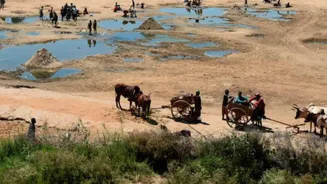
23 mm of rainfall for the entire month. This makes it the second-driest July since 1918, which saw only 18.5 mm. The dramatic drop-off came after a promising start to the season, with healthy pre-monsoon showers providing a surplus. But the failure of the southwest monsoon in July has largely wiped out those early gains, weakening the city's overall seasonal performance. According to an IMD scientist, this prolonged dry spell is significant, impacting the seasonal total which now stands at just 94 mm.
An Eye on the Reservoirs
A failed monsoon immediately raises alarms about water availability, as Bengaluru is heavily dependent on the Cauvery river and its associated reservoirs. In late July, the Bangalore Water Supply and Sewerage Board (BWSSB) stated that the combined storage in the Krishna Raja Sagar (KRS) and Kabini reservoirs was sufficient to meet the city's demand for the next four to six months. Bengaluru requires approximately 2.2 to 2.3 thousand million cubic feet (TMC) of water each month. However, officials cautioned that a prolonged deficit could lead to a crisis. Fortunes shifted dramatically at the very end of July and start of August. Heavy rains in the Cauvery catchment areas, particularly in Wayanad, led to a sudden surge in reservoir inflows. By August 2nd, the Kabini reservoir was near its full capacity, and the water level at KRS was rising significantly, inching towards the 100-foot mark against a full level of 124.8 feet. While this has provided immediate relief, the reliance on last-minute downpours highlights the city's precarious water situation.
Changing Urban Weather Patterns
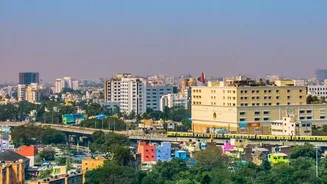
This isn't just about one dry month; it fits into a broader, more worrying trend of erratic weather in Bengaluru. Many experts point to rapid, often unplanned, urbanisation as a key culprit. The city’s transformation into a concrete jungle has intensified the 'urban heat island' effect, where dense construction and a lack of green spaces trap heat. Research has shown a direct correlation between this urban sprawl and rising temperatures. One study noted that Bengaluru’s land surface temperature rose dramatically between 1992 and 2017. This sustained heat can alter local weather. The loss of vegetation reduces evaporative cooling, and a warmer atmosphere can disrupt the formation of rain clouds, potentially leading to less rainfall. While some studies suggest the city's climate has remained relatively stable despite urbanisation, the increasing frequency of extreme weather events—like a record dry July—suggests long-term changes are afoot.
The Bigger Picture and the Path Forward
The dry spell in July was attributed to weak monsoon systems and the absence of rain-forming troughs off the coast for most of the month. While a brief revival brought some rain at the very end of July, the IMD predicts that monsoon activity may remain weak for much of August. This places even greater importance on the city's groundwater resources, which are already severely stressed. Earlier in 2026, it was reported that nearly half of the city's registered borewells had run dry, forcing residents to drill to unprecedented depths of 1,500 feet. The recent water scare has prompted the BWSSB to intensify its monitoring of groundwater levels and commission a comprehensive report from the Indian Institute of Science (IISc). This dry July serves as a critical reminder of Bengaluru's dual challenge: managing immediate water needs while building long-term resilience to the undeniable impacts of climate change and urban growth.