




The Science of Comfort Cravings
That sudden urge for a plate of hot pakoras isn't just in your head. Rainy weather has a real psychological and physiological effect. Gloomy, overcast skies can lead to a dip in serotonin, the body's natural mood-booster and appetite suppressant. [13,
14] To compensate, our brain craves foods, particularly carbohydrates and fried items, that can provide a quick sense of pleasure and warmth. [13, 14] Eating warm food helps regulate our body temperature, making us feel cosier on a cool, damp day. [14] The emotional connection is also powerful; for many, these foods are tied to nostalgic memories of family and enjoying the rain from the comfort of home. [3, 7]
The Undisputed Classics: Chai and Pakoras
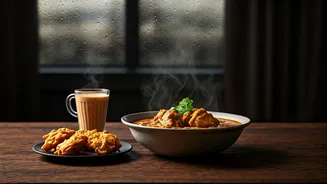
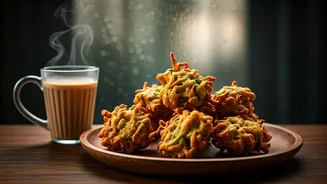
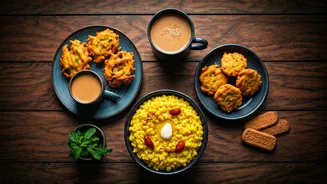
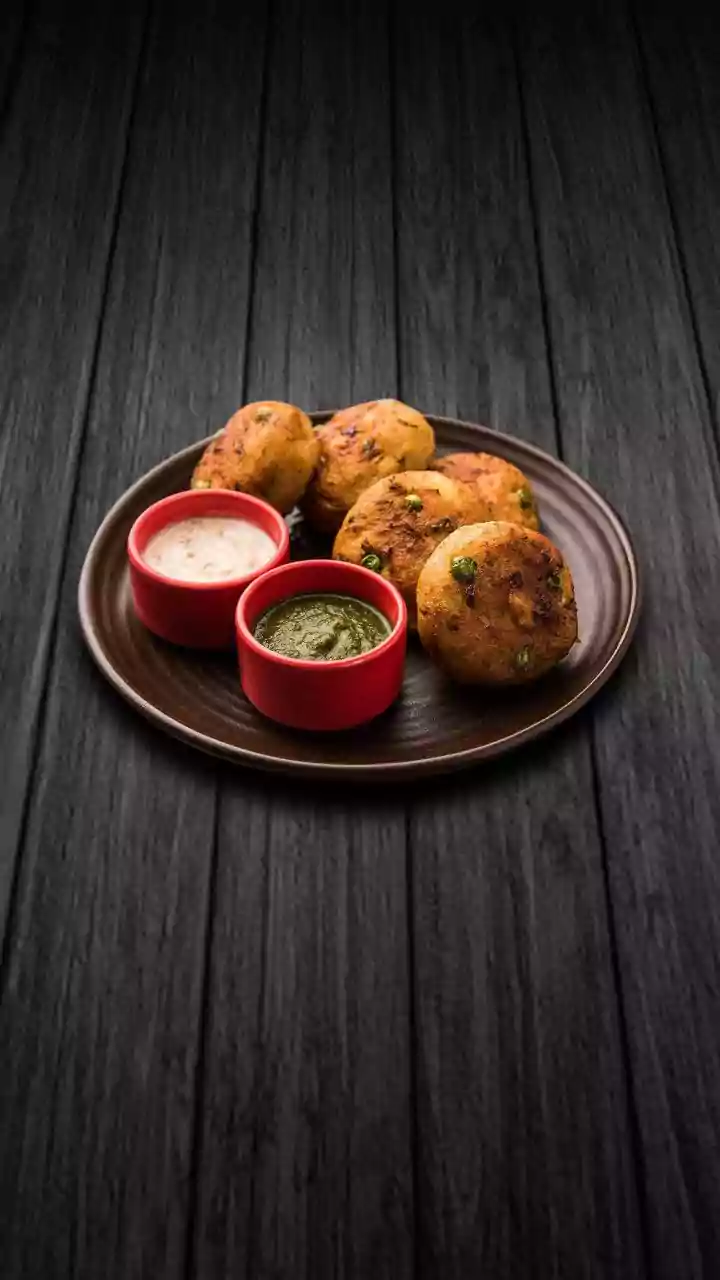
No monsoon food list is complete without the iconic duo of masala chai and an assortment of pakoras or bhajiyas. [21] These deep-fried fritters, whether made with onion, potato, paneer, or lentils, offer a satisfyingly crunchy texture that contrasts beautifully with the damp weather. [12, 15] Paired with a spicy green chutney and a steaming cup of ginger-infused tea, it’s more than a snack; it's a sensory experience that captures the essence of the Indian monsoon. [21]
Hearty Bowls of Soup and Stew
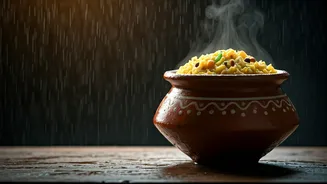
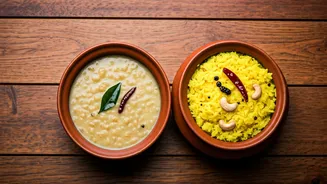
For a healthier yet equally comforting option, a bowl of hot soup is unbeatable. From a simple, tangy tomato soup to a more elaborate Manchow soup or a filling Thukpa, the warmth soothes from the inside out. [17] Soups are not only nourishing but also a great way to stay hydrated. [4] Another quintessential comfort meal is Khichdi. Made from rice and lentils, this simple, one-pot dish is easy to digest, warming, and incredibly satisfying, especially when served with a dollop of ghee, a side of yoghurt, and pickles. [4, 15]
Steamed, Savoury, and Safe
Steamed dishes are a fantastic way to enjoy hot food without the heaviness of deep-frying. Piping hot momos served with a fiery chutney are a popular choice across the country. [15] Similarly, classics like the Gujarati Dhokla—steamed, spongy, and savoury—offer a light yet fulfilling option. [11] South Indian favourites like freshly steamed idlis also fit the bill perfectly, providing a clean and comforting meal that's gentle on the stomach. [6]
Redefining 'Clean' in the Monsoon
The word 'clean' in the monsoon carries a dual meaning: hygienic and healthy. The rainy season, with its high humidity and waterlogging, is a peak time for waterborne diseases and foodborne illnesses like diarrhoea, typhoid, and cholera. [2, 20] The moisture creates a breeding ground for bacteria, making food safety paramount. [2, 19] Opting for freshly prepared, home-cooked meals is the safest way to enjoy the season's delights. [2] If you're cooking at home, ensure all fruits and vegetables are washed thoroughly with clean water, and maintain a high standard of kitchen hygiene. [5]
Navigating Street Food Safely
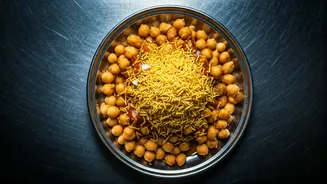
While avoiding street food is the most cautious approach during the monsoon, the cravings can be hard to ignore. [8, 19] If you do decide to indulge, follow some ground rules. Always choose vendors who maintain visible cleanliness and cook food fresh in front of you. [19] Opt for dishes that are served piping hot, as high temperatures kill most germs. [6, 19] Be especially wary of items that use unboiled water, such as raw chutneys, pre-cut fruit salads, and fruit juices. [2, 6, 19] Roasted corn on the cob (bhutta) is generally a safe bet, as is hot tea from a busy stall. [6] Ultimately, the safest street food is one that has just been cooked at a high temperature. [6]