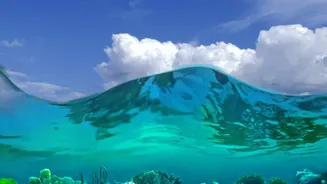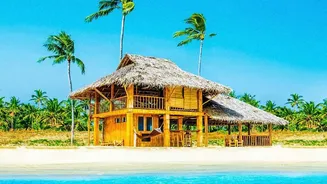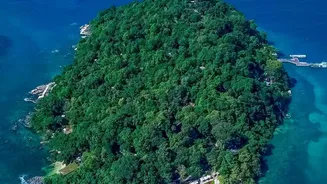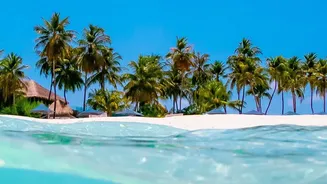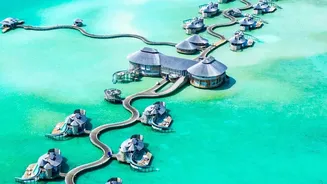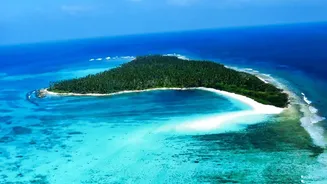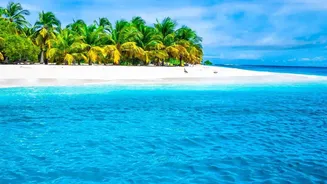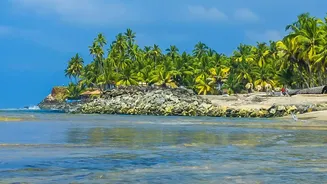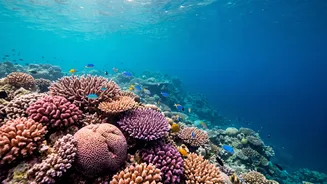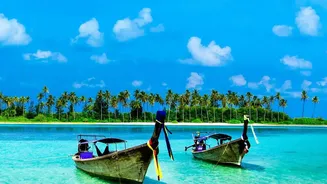

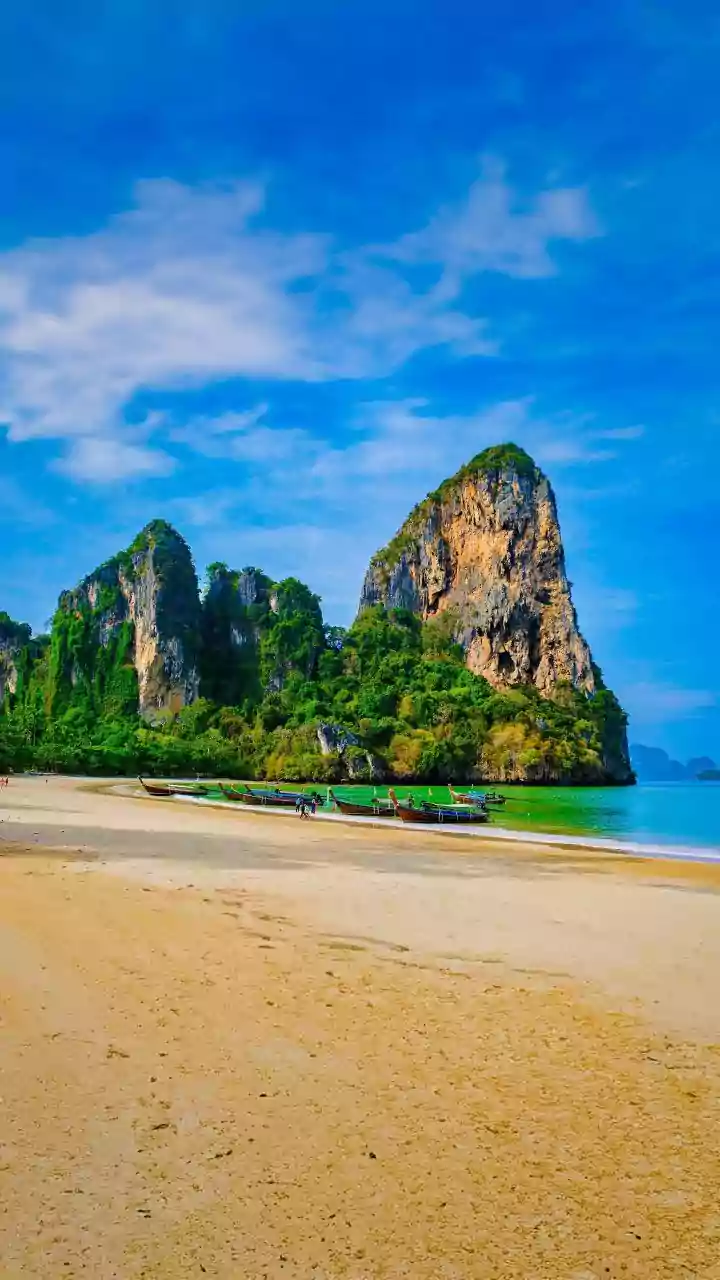
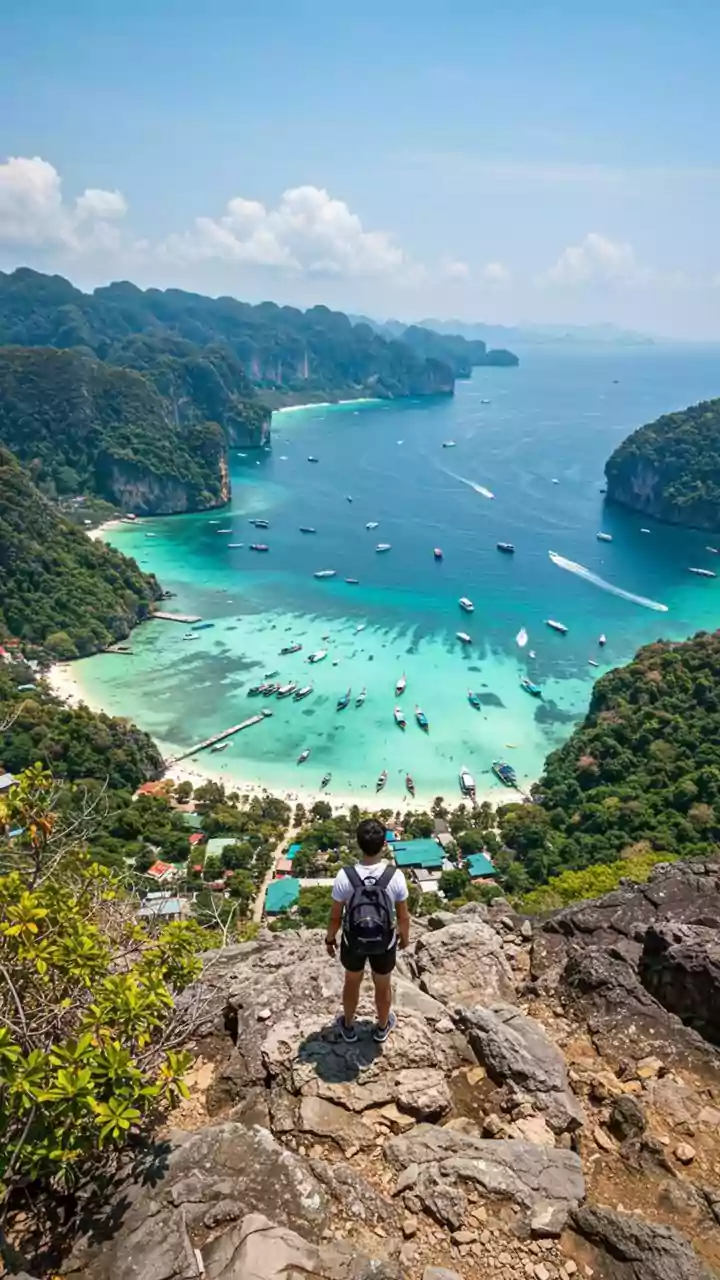

Lakshadweep’s turquoise lagoons and coral atolls are the stuff of dreams. But this pristine paradise is a protected territory, meaning a spontaneous trip is impossible. Planning is everything, and navigating the rules is the first step to paradise.
The Mandatory Entry Permit
First
and foremost, every single person who is not a resident of Lakshadweep needs an entry permit to visit the islands. This rule applies to all Indian citizens and foreign nationals. The permit system exists to protect the fragile ecosystem and unique cultural heritage of the archipelago. Fortunately, the process has been simplified. As of recent updates, Indian tourists no longer need to find a local sponsor or obtain a Police Clearance Certificate (PCC) from their hometown. The application is now handled entirely online via the official ePermit portal, where security verification is managed internally by the Lakshadweep Police after you submit your details.
How to Apply and What You'll Need
You must apply for your permit at least 14 days before your planned departure date. The application is done through the official U.T. Administration of Lakshadweep's ePermit portal (epermit.utl.gov.in). During the application, you will need to upload scanned copies of a valid government photo ID (like an Aadhaar Card or Passport) and a recent passport-sized photograph. You must also specify your exact travel dates and list every island you plan to visit, as you will only be allowed to set foot on the islands mentioned in your approved permit. A nominal permit fee of around ₹50 per person applies, along with a Heritage Fee and Green Tax to support local conservation efforts. Always carry multiple printed copies of your approved permit, as they are checked at various points.
Booking Your Trip: SPORTS vs. Private Agents
There are two primary routes for booking your Lakshadweep holiday. The first is through the Society for Promotion of Nature Tourism and Sports (SPORTS), the official tourism body of the Lakshadweep Administration. SPORTS operates several resorts and popular ship-based packages like the 'Samudram' cruise, which covers multiple islands. Booking through SPORTS ensures you are using government-approved services. The second option is to book through an authorized private travel agent. SPORTS accredits a limited number of agents who are qualified to arrange tours, handle permit applications, and ensure responsible tourism practices are followed. These agents often offer more customised packages, including stays at both government-run and private resorts.
Know Which Islands Are Open
While Lakshadweep is an archipelago of 36 islands, only a handful are open to tourists to preserve the rest. For domestic Indian tourists, the main accessible islands for stays and sightseeing include Agatti, Bangaram, Kadmat, Kavaratti, Minicoy, and Thinnakara. Agatti is the gateway to the islands as it has the only airport. Bangaram is famous for its serene, uninhabited feel and beautiful lagoon. Kadmat is known for its water sports facilities. Kavaratti, the capital, offers a mix of culture and lagoon-based activities. Foreign nationals are generally restricted to Agatti, Bangaram, and Kadmat.
Travel Logistics and The Best Time to Visit
The primary way to reach Lakshadweep is by flying from Kochi to Agatti Airport (AGX). From Agatti, inter-island transfers are typically done by boat or helicopter, which are usually included in your tour package. Ship packages, which take 14-20 hours, are also available from Kochi. The best time to visit is between October and March. During these months, the weather is pleasant, the sea is calm, and conditions are perfect for water sports like snorkelling and diving. The monsoon season, from June to September, sees heavy rain and rough seas, and most tourism activities are suspended.
Respect Local Culture and Ecology
Lakshadweep is celebrated for being unspoiled, and visitors play a key role in keeping it that way. Respect for local Islamic customs is crucial. This includes dressing modestly, especially on inhabited islands. Public consumption of alcohol is prohibited on all islands except for the resort on Bangaram. It is illegal to pick or collect corals, whether living or dead. When engaging in water sports, ensure you are with a certified operator and follow all environmental guidelines to protect the delicate marine life and coral reefs that make this destination so special.