
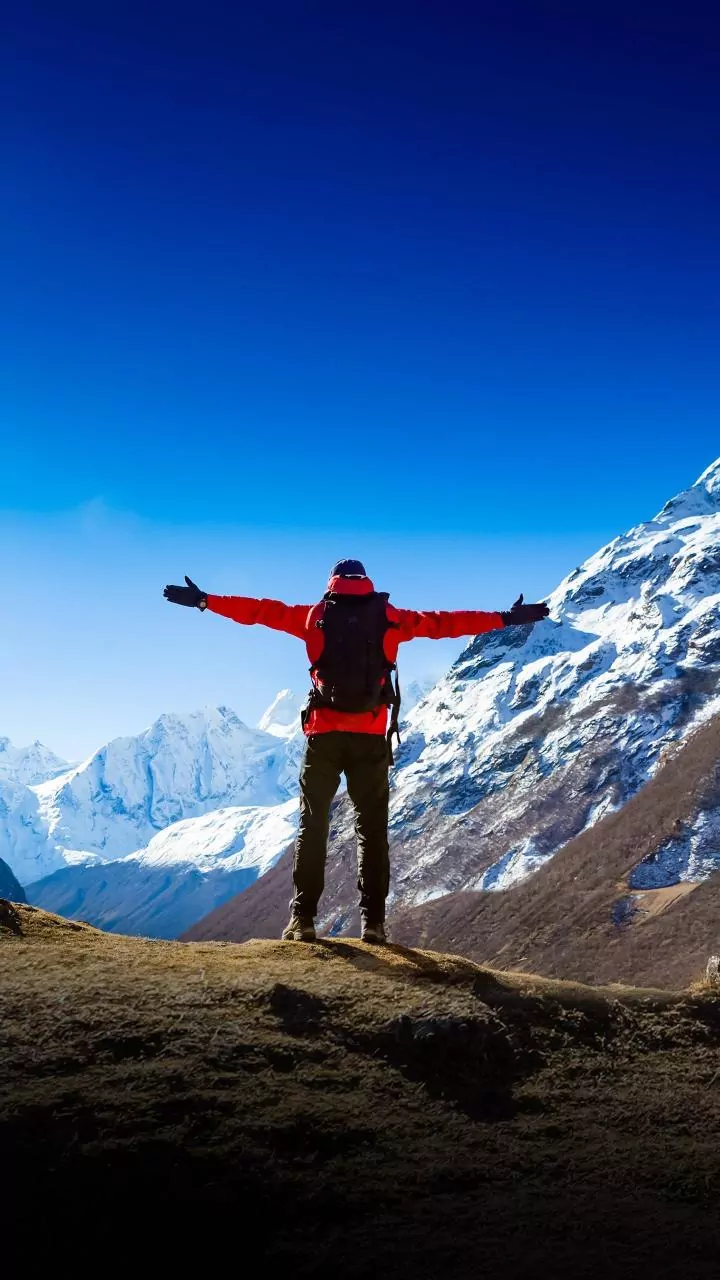

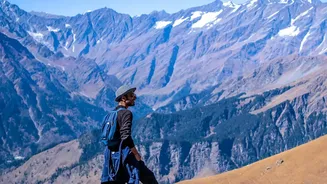

Every year, as the monsoon rains recede, the Himalayas undergo a spectacular transformation. The clouds part, revealing the world’s highest peaks in stunning clarity, drawing travellers for a brief, magical window of opportunity.
Nature’s Annual Deep Clean
The primary reason for
autumn's crystal-clear views is simple: the monsoon acts as a gigantic atmospheric laundry service. For months, from roughly June to early September, heavy rains sweep across the subcontinent, washing dust, pollutants, and aerosols from the air. Before the monsoon, the pre-monsoon season is often marked by haze, smoke from regional fires, and dust, which accumulate in the atmosphere and obscure long-distance views. The relentless downpour effectively scrubs the air clean, so when the rains finally stop, the atmosphere left behind is exceptionally transparent, offering uninterrupted panoramas of distant peaks. This natural cleansing process leaves the entire landscape looking fresh, vibrant, and sharply defined against a brilliant blue sky.
A Shift in Wind and Weather
The end of the monsoon is not just about the cessation of rain; it marks a fundamental shift in weather patterns. During the monsoon, warm, moist air is pulled in from the Indian Ocean to the south. This air is heavy with water vapour, which contributes to cloud cover and haze even when it isn't actively raining. As autumn sets in, typically from late September through November, this system reverses. Drier, cooler air begins to flow down from the Tibetan plateau and Central Asia. This continental air has significantly lower humidity, meaning there is less water vapour in the atmosphere to scatter light and create haze. This shift results in stable, high-pressure weather systems, leading to calm days and crisp, cold nights, which are perfect conditions for mountain visibility.
The Perfect Window for Adventure
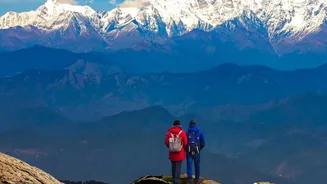
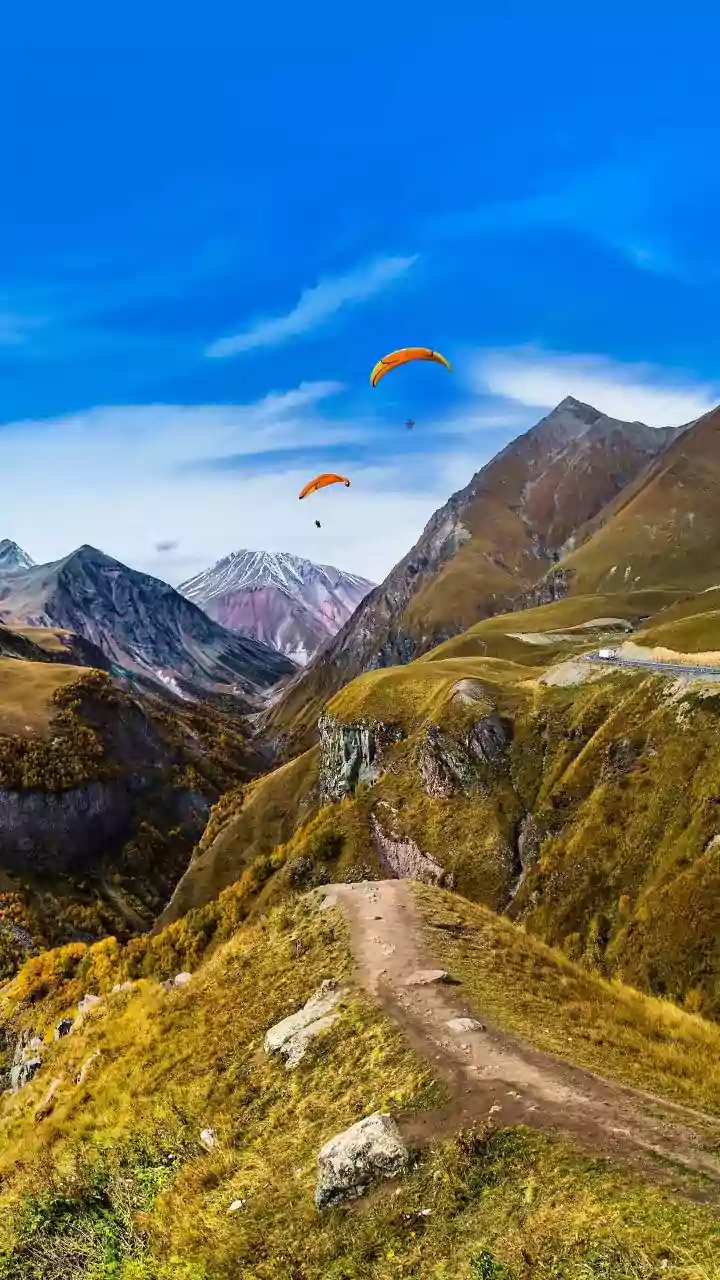
For trekkers and photographers, this post-monsoon period from October to November is often considered the 'golden season'. The combination of washed, clean air and lower humidity creates unparalleled visibility, making it the ideal time for photography and high-altitude trekking. Popular trekking destinations in states like Uttarakhand, Himachal Pradesh, and Sikkim become magnets for adventurers. Treks like the Gaumukh-Tapovan, Goechala, and Har Ki Dun, which are famous for their grand mountain vistas, are at their absolute best during these months. The daytime temperatures are generally pleasant and comfortable for hiking, while the trails are flanked by lush, post-monsoon greenery that slowly transitions into the golden hues of autumn, creating a landscape of breathtaking beauty.
More Than Just a Pretty View
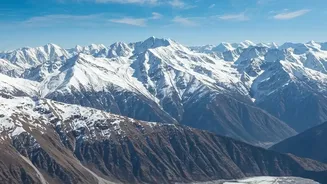
The clarity of the post-monsoon season also reveals the sheer scale and majesty of the Himalayan range in a way that other seasons cannot. Peaks that are shrouded in cloud for much of the year stand out in sharp relief, allowing for views that can stretch for hundreds of kilometres. From popular vantage points, entire ranges of snow-capped giants like the Annapurna, Dhaulagiri, and Kanchenjunga massifs become visible. This is also the best time for astrophotography, as the dry, clear nights reveal spectacular starry skies free from the haze and light pollution that plagues lower altitudes. The experience is not just visual; the crisp, clean air feels invigorating, adding to the overall sense of well-being that draws so many to the mountains.