





The Fresh Food Philosophy
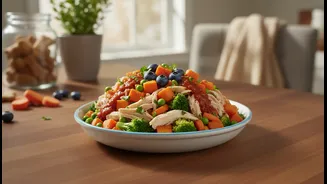
The conversation around dog food in India is changing. While kibble has long been the convenient go-to, a growing number of pet parents are exploring customized fresh food. This approach centres on using whole-food ingredients like real meats and vegetables
that are gently cooked to preserve nutrients. Unlike highly processed dry pellets, fresh meals are minimally processed, aiming to keep the ingredients as close to their natural state as possible. This philosophy is built on the idea that a dog's digestive system is better suited for food that is less processed and more biologically appropriate. The goal is to provide a diet rich in bioavailable nutrients that supports overall wellness, starting with the gut.
Digestibility and Better Ingredients
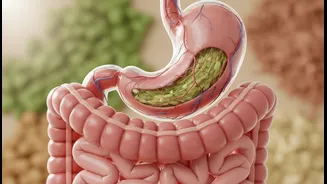
One of the most significant arguments for fresh food is its high digestibility. The gentle cooking methods used for fresh meals help keep proteins and nutrients in a form that is easier for a dog's body to break down and absorb. This means more nutrients are utilized by the body and less waste is produced, which often results in smaller, firmer stools—a visible sign of good digestion for many owners. In contrast, basic kibble is manufactured using a high-heat extrusion process that can make nutrients less available. Furthermore, many standard kibbles contain fillers like corn and wheat, as well as artificial preservatives and additives, which can sometimes irritate a dog's digestive system. Fresh diets, which typically avoid these components, can lead to better gut health and fewer gastrointestinal issues.
The Critical Role of Moisture
Hydration is fundamental to good digestion, and this is where fresh food has a clear advantage. Fresh meals naturally contain a high moisture content, often around 70-80%, which is similar to the prey dogs' ancestors would have consumed. This built-in hydration helps the food move smoothly through the digestive tract, aiding the breakdown of nutrients and preventing issues like constipation. Traditional kibble, on the other hand, is very dry, with a moisture content of about 10%. Dogs on a kibble-only diet must drink a significant amount of water to compensate, and some may live in a state of mild, chronic dehydration. In a hot climate like India's, ensuring adequate hydration is crucial, and a moisture-rich diet can play a supportive role in overall health, including kidney function.
Why Customization Matters
The 'customized' aspect of fresh feeding is more than a buzzword; it's about tailoring nutrition to the individual. Every dog is unique, with different needs based on their age, breed, weight, activity level, and any health conditions like allergies or sensitivities. Customization allows for the formulation of meals that address these specific requirements. For a dog with a sensitive stomach, a custom plan might use a specific, easily digestible protein. For an overweight dog, the calorie and fat content can be precisely controlled. This level of personalization is difficult to achieve with off-the-shelf kibble, which is designed for the 'average' dog. By creating a diet that is perfectly suited to an individual dog's needs, customized plans can be a powerful tool for managing and improving digestive health.
Making an Informed Choice
Switching your dog's food is a significant decision. While the benefits of fresh food for digestion are compelling, it's important to note that it's often more expensive and requires more effort in storage and serving. High-quality kibble remains a valid and convenient nutritional choice for many dogs. The key takeaway is that ingredient quality and formulation matter more than the format alone. Whether you choose fresh or kibble, look for diets formulated by veterinary nutritionists that prioritize high-quality protein sources and avoid unnecessary fillers and artificial additives. A gradual transition over 7-10 days is recommended to allow your dog's system to adjust to any new food.