


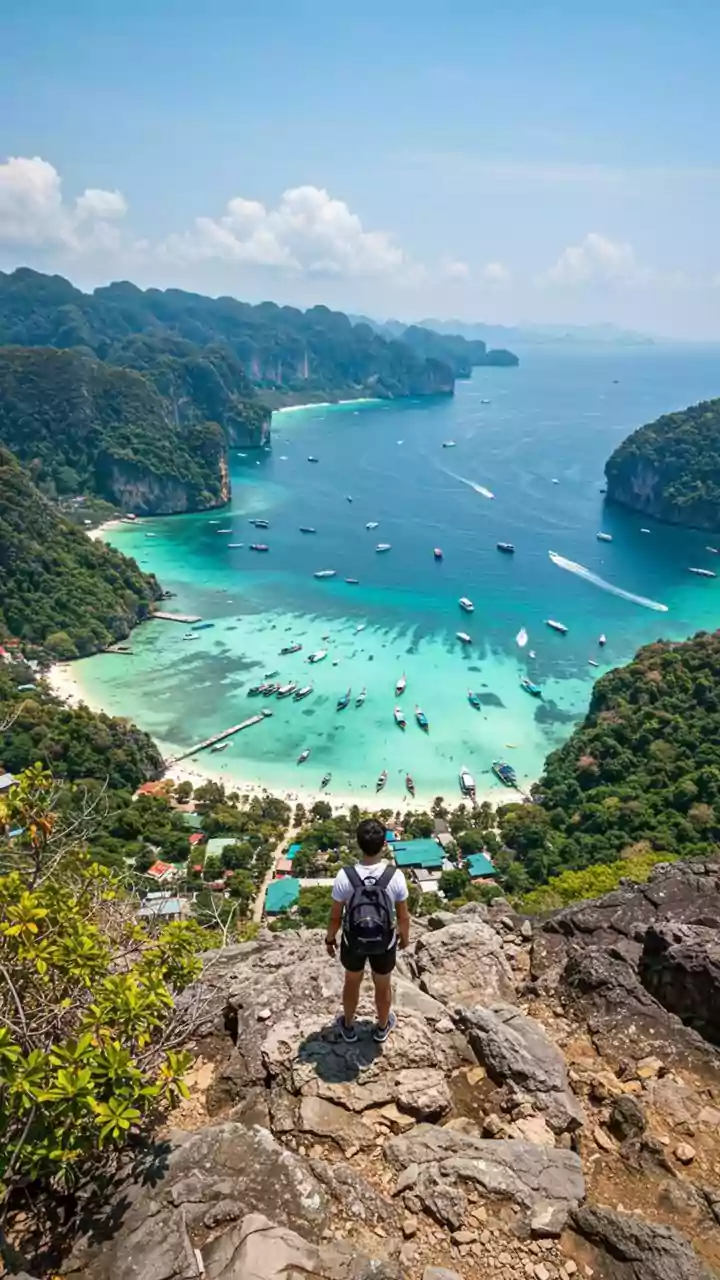




Thailand: Visa-Free Travel Confirmed
After a period of uncertainty, Thailand has solidified its position as a top, easy-to-access destination for Indian travellers. In mid-July 2026, the Thai cabinet confirmed that Indian passport holders will continue to receive visa-free entry, granting
a stay of up to 30 days. This decision reversed a proposal made in May 2026 that would have moved India back to a paid Visa on Arrival system. For those planning a year-end trip to enjoy Bangkok's vibrant city life or the serene beaches of Phuket and Krabi, this means less administrative hassle and no visa fee. Travellers should, however, be prepared to complete the Thailand Digital Arrival Card (TDAC) before entry.
Japan: A Smooth New e-Visa System
Japan has become significantly more accessible for Indian tourists with the launch and implementation of its electronic visa (e-visa) system. Indian citizens residing in India can now apply for a single-entry tourist visa online, streamlining what was previously a paper-heavy process. This digital shift makes planning a late-2026 trip to witness autumn colours or early winter festivities much simpler. While there is still a fee, which has been kept at a minimal INR 500 for Indians despite global hikes, the convenience of an online application is a major advantage. Applicants receive an electronic 'visa issuance notice' to be displayed on a smartphone at immigration, removing the need for a physical visa sticker in the passport.
Kenya: Streamlined Entry for Safari Season
For those dreaming of a safari adventure, Kenya has simplified its entry process by replacing its entire previous visa system with a mandatory Electronic Travel Authorisation (eTA). Implemented in early 2024, this system is now fully established for late-2026 travel. Instead of a traditional visa, travellers from India must apply for the eTA online before departure through the official government website. The process is straightforward, requiring basic travel details, accommodation confirmation, and a fee of around $34 USD. Approval is typically granted within 72 hours via email. This change eliminates ambiguity and makes planning a trip to iconic reserves like the Maasai Mara more predictable and efficient.
Malaysia: Continued Visa-Free Access
Malaysia continues to be a welcoming destination for Indian tourists, with its visa-free policy remaining in effect. Indian citizens can enter the country for up to 30 days for tourism without needing to apply for a visa in advance. This policy, which has been confirmed to run until at least the end of December 2026, is perfect for planning a year-end getaway to explore Kuala Lumpur's iconic landmarks or the natural beauty of Langkawi. While no visa is required, travellers must complete the Malaysia Digital Arrival Card (MDAC) online within three days of their arrival, a simple step that can be done from home before the trip begins.
Schengen Area (Europe): A Digital Transition
While not 'easier' in the sense of being visa-free, travel to the 29-country Schengen Area in Europe is undergoing a major digital transformation in 2026. The rollout of a unified online portal for visa applications and the introduction of digital visas are set to modernise the process for Indian applicants. An India-EU mobility pact signed in early 2026 aims to streamline procedures and create faster timelines. This means that by late 2026, applying for a trip to Paris, Rome, or Amsterdam should involve less physical paperwork and a more centralized, predictable online experience, which is a significant step forward for frequent travellers.