







What a 'Weak' Monsoon Means
In India, the monsoon isn't just about rain; it's about the right amount of rain at the right time. A 'weak' or 'deficient' monsoon occurs when the total rainfall is significantly below the Long Period Average (LPA), a benchmark calculated over 50 years.
For 2026, the India Meteorological Department (IMD) has forecast below-normal rainfall for August, a critical month for crop growth. This is partly attributed to moderate El Niño conditions, a weather pattern in the Pacific Ocean known to suppress monsoon rainfall over India. As of early August 2026, cumulative seasonal rainfall was already 12% below the LPA, creating concern across many agricultural regions.
From Parched Fields to Lower Yields
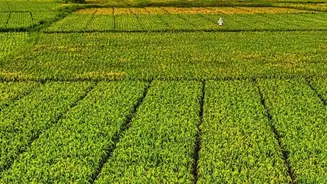
More than half of India's farmland is rain-fed, making it highly dependent on the monsoon for water. A deficit in rainfall directly impacts the sowing and growth of Kharif crops, which are planted during the monsoon season. These include staples like rice, pulses (like tur and chana), oilseeds such as soybean, and cotton. Delayed or insufficient rains reduce soil moisture, which can shrink the total area under cultivation and lower the yield per hectare. By mid-July 2026, sowing of Kharif crops was reportedly lagging behind the previous year due to a poor start to the monsoon, raising concerns about future output.
The Ripple Effect on Market Prices
The journey from farm to table is a complex chain, and a weak monsoon disrupts it at the source. Lower crop production means reduced supply arriving at wholesale markets, or mandis. This supply-demand mismatch inevitably pushes prices upward. The impact is not uniform across all food items. Perishable goods are the first and fastest to react. Vegetables like tomatoes, onions, and leafy greens can see price spikes within days or weeks of erratic rainfall due to their short shelf life and dependence on smooth transport, which can also be disrupted. This is why you might notice the cost of your daily sabzi climbing first when the rains are inconsistent.
Which Items on Your Grocery List Are Most at Risk?
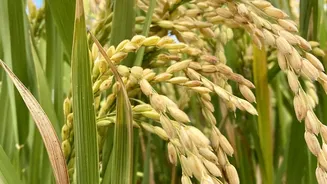
While many items are affected, some are more vulnerable than others. Vegetables are the most sensitive to rainfall fluctuations. Prices of onions and potatoes have already shown upward trends this year. Pulses are another key area of concern; a fall in domestic production often leads to higher prices as demand remains constant. Rice, a cornerstone of the Indian diet, is also under watch. While buffer stocks can provide a cushion, concerns over rain-fed paddy crops can still drive up retail prices. Edible oils are a mixed case. While domestic oilseed crops like soybean depend on the monsoon, a significant portion of India's supply is imported, meaning global prices and import policies play a major role alongside domestic rainfall.
The Broader Economic Tremors
The impact of a weak monsoon extends beyond the kitchen. Agriculture is a massive employer, and lower farm output translates to reduced incomes for millions of rural households. This, in turn, dampens rural demand for a wide range of goods, from two-wheelers and tractors to everyday consumer products. A sustained period of high food prices can also fuel overall inflation, becoming a major concern for economic planners and the Reserve Bank of India. A weak monsoon is not just a weather event; it's a macroeconomic shock that can affect the entire country's growth and financial stability.