

A New Eye on a Giant World
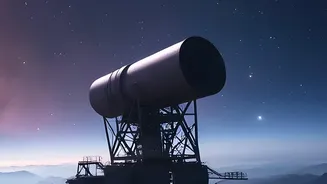
The latest chapter in our exploration of Jupiter comes from a sophisticated new instrument, a high-resolution, near-infrared camera designed to pierce through the planet's thick upper haze. This technological leap allows scientists to track atmospheric
features with unprecedented clarity. Unlike previous instruments that captured hazes as blurry regions, this new camera resolves them into crisp, trackable features. Developed by a consortium of international space agencies and tech firms, the camera represents a major investment in planetary science. Its ability to filter light at different wavelengths lets researchers probe various altitudes of Jupiter's famously chaotic atmosphere, effectively creating a 3D view of its weather systems. This advanced technology is what enabled the latest discovery, providing insights that were previously impossible with older ground-based telescopes or even powerful orbital observatories like the Hubble Space Telescope.
What Are These Cosmic Tornados?
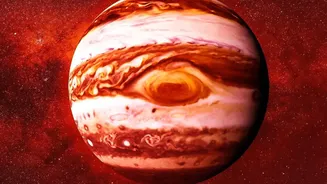
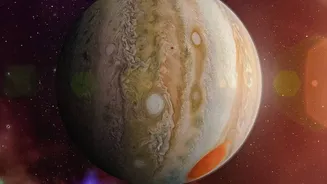
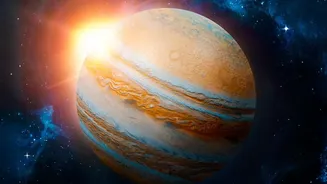
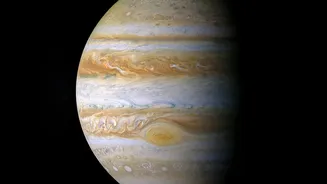
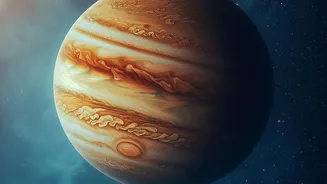
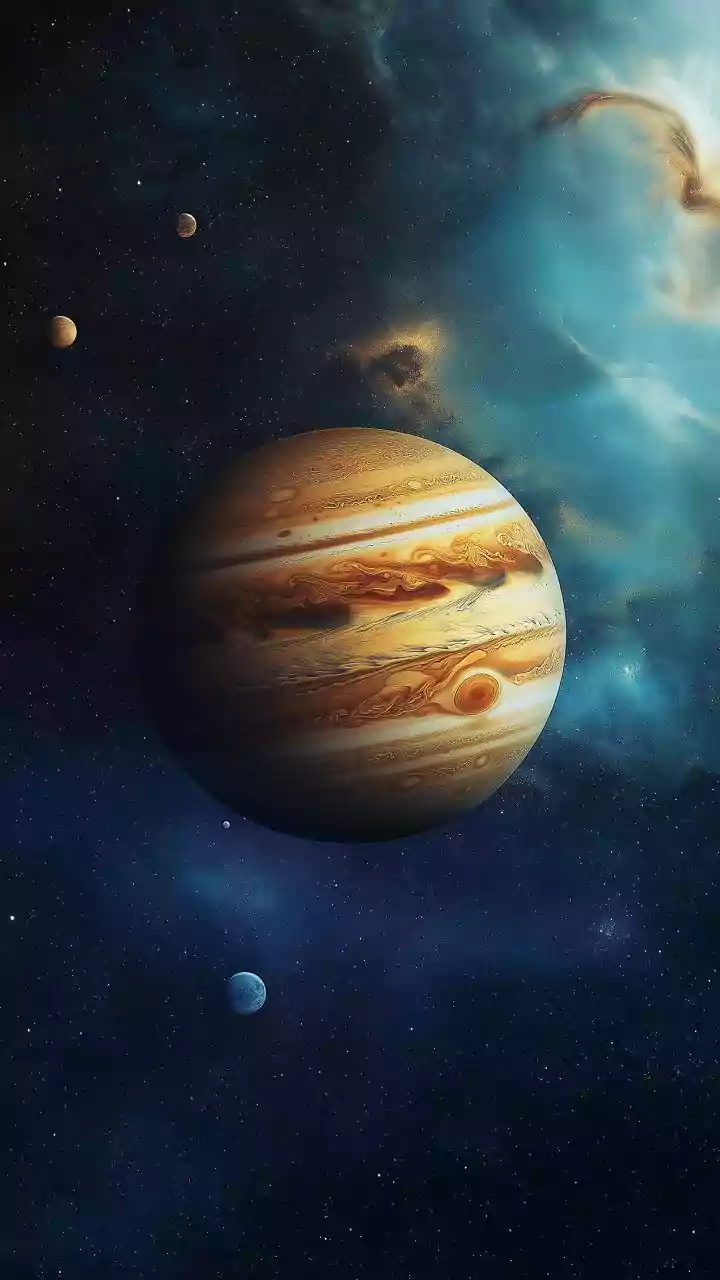
The term 'cosmic tornados' vividly describes the gigantic, swirling vortexes that dot Jupiter's surface. In scientific terms, these are cyclones and anticyclones, storm systems that can dwarf our entire planet. The most famous is the Great Red Spot, an anticyclonic storm that has been raging for centuries. These storms are not like hurricanes on Earth. They are driven by Jupiter's rapid rotation—a day on Jupiter is less than 10 hours long—and the immense heat radiating from its interior. While the Great Red Spot is an anticyclone (a high-pressure system), Jupiter also hosts numerous cyclones, which are low-pressure systems. These storms are complex weather engines, some feeding off smaller vortexes to sustain their energy, creating the turbulent, painterly patterns we see in images from missions like Juno and the James Webb Space Telescope.
A Picture of Shrinking Storms
The latest captures from the new planetary camera confirm a trend that scientists have been tracking for decades: some of Jupiter's most massive storms are shrinking. The Great Red Spot, for instance, was once wide enough to fit three Earths inside it; today, it could barely contain one. Historical measurements show it has contracted significantly since the late 1800s, from over 25,000 miles across to around 10,250 miles today. The new images provide crucial detail on how this is happening. Scientists can now observe smaller eddies and streams feeding into—or in some cases, failing to feed—the larger storms. This suggests the shrinking may be related to a change in the storm's 'diet' of smaller vortexes that it would normally consume to maintain its size and energy. The camera's observations show these storms are not just shrinking but also changing shape, with the Great Red Spot becoming more circular over time.
Why This Evolving Picture Matters
Observing these changes on Jupiter does more than just satisfy our curiosity about a distant world. Jupiter's atmosphere is a natural laboratory for extreme weather. By studying how its massive storms form, evolve, and dissipate, scientists can refine their models of atmospheric physics. These insights are not just applicable to gas giants; they help us understand the fundamental principles governing weather on all planets, including our own. Understanding the dynamics of Jupiter's atmosphere—how its different layers interact and how energy is transported—provides clues about the planet's formation and the history of our solar system. The discovery of a high-speed jet stream by the James Webb Space Telescope, for instance, surprised researchers and offered new insights into the interaction between atmospheric layers. Each new piece of data from instruments like this new camera helps build a more complete picture of how planetary climates work.