




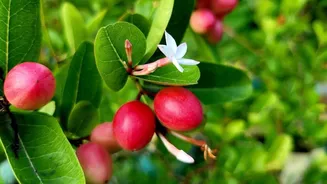
Why Whole Produce is Your Best Friend
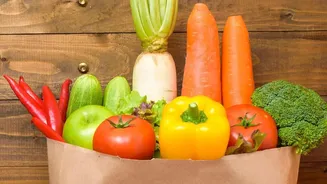
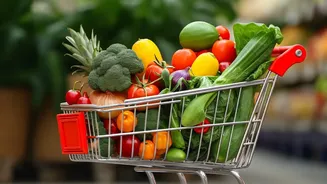
During the monsoon, our digestive system can become more sensitive, and the risk of foodborne illness increases. Opting for whole fruits and vegetables over pre-cut or exposed ones is a simple yet powerful strategy. Whole produce retains its natural protective
skin, which acts as a barrier against airborne contaminants. Pre-cut fruits and vegetables, often sold at stalls, are more susceptible to bacterial growth in the humid environment. By purchasing produce whole, you control the washing and cutting process, significantly reducing your risk. Inspect vegetables carefully before buying and avoid anything that looks wilted, mouldy, or damaged, as these are signs of spoilage that damp weather can accelerate. Buying whole also ensures you get the maximum nutritional value, as nutrients begin to degrade once a fruit or vegetable is cut.
Immunity-Boosting Monsoon Vegetables
Not all vegetables are created equal during the rainy season. Gourds are a fantastic choice. Varieties like bottle gourd (lauki), ridge gourd (turai), and bitter gourd (karela) are easy to digest and packed with essential nutrients. They are harvested during this season, making them fresh and affordable. Other excellent options include Indian squash (tinda), pointed gourd (parwal), and pumpkin. These vegetables are rich in fibre and water, helping to keep your digestive system healthy. Spices like turmeric and ginger, known for their anti-inflammatory and digestive properties, are also essential pantry staples to incorporate into your cooking.
Seasonal Fruits to Savour
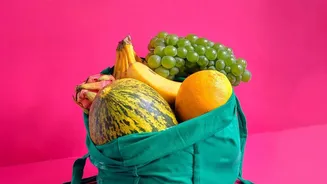
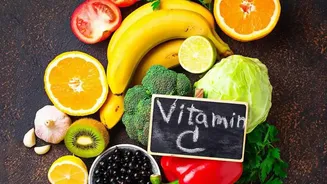
The monsoon brings a bounty of delicious and immunity-boosting fruits. Jamun, rich in iron, potassium, and vitamins, is a seasonal highlight. Pears, plums, peaches, and cherries are also excellent choices. These fruits are packed with Vitamin C and antioxidants that help strengthen your body's defence against common monsoon infections. Apples and pomegranates are other great additions that aid digestion and boost immunity. Bananas are particularly beneficial as they are easy on the stomach and can help prevent gastrointestinal issues common during this time. Always choose whole fruits and cut them just before you plan to eat them.
Produce That Needs Extra Care
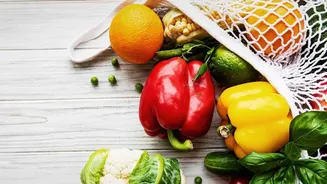
Leafy green vegetables like spinach, cabbage, and lettuce require special attention during the monsoon. Their layered leaves can easily trap mud, moisture, and microbes, making them difficult to clean thoroughly. This doesn't mean you must avoid them entirely, but it is crucial to wash them meticulously and cook them well rather than consuming them raw in salads. Similarly, cruciferous vegetables like cauliflower and broccoli have tightly packed florets that can harbour insects and germs, so they also need careful cleaning and proper cooking. Raw salads in general are best avoided, especially when eating out.
The Definitive Guide to Cleaning Produce
Properly washing your produce is non-negotiable during the monsoon. Start by washing your own hands with soap and water. Rinse fruits and vegetables under clean, running tap water. For produce with firm skin, like gourds, potatoes, or melons, use a clean vegetable brush to scrub the surface. You can also soak vegetables in a bowl of water with a pinch of salt or a splash of vinegar for a few minutes before the final rinse. Discard the outer leaves of vegetables like cabbage and lettuce before washing. It's crucial to wash produce even if you plan to peel it, as this prevents contaminants from the skin from being transferred to the flesh by the knife. Always use clean cutting boards and utensils to avoid cross-contamination.