






The Monsoon Kitchen Philosophy
During the rainy season, the environment's high humidity and moisture can make our digestive systems sluggish and more vulnerable to infections. Traditional Indian wisdom, particularly from Ayurveda, suggests shifting to foods that are warm, light, and easy
to digest. The core idea is to support your digestive fire, or 'Agni', which is believed to be naturally weaker during this time. This means prioritizing freshly cooked meals over raw or cold foods, which can be harder to process and may carry a higher risk of contamination. Simple, home-cooked meals are your best defense against common monsoon ailments.
Embrace Seasonal Gourds
The monsoon brings a bounty of gourds, and for good reason. Vegetables like bottle gourd (lauki), ridge gourd (turai), bitter gourd (karela), and pointed gourd (parwal) are mainstays of a traditional monsoon diet. These vegetables are high in fiber, low in calories, and have high water content, making them easy to digest. Bitter gourd, in particular, is valued for its immunity-boosting properties and is traditionally believed to help the body adapt to seasonal changes. Incorporating these into simple curries, soups, or stir-fries is a great way to stay nourished.
Power Up with Warming Spices
Indian spices are not just for flavor; they are potent medicinal allies during the monsoon. Ginger, turmeric, garlic, black pepper, and cumin are essential additions to your seasonal pantry. Ginger is known for its anti-inflammatory properties and can help with digestive discomfort. Turmeric contains curcumin, a compound with antioxidant and anti-inflammatory benefits. Garlic is prized for its natural antibacterial and antiviral traits. Adding these spices to your dals, curries, and soups can help strengthen your digestive system and support your body's response to infections.
Choose Your Fruits Wisely
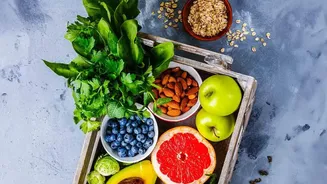
While many fruits are available, some are better suited for the monsoon than others. Seasonal fruits like jamun (Java plum), peaches, plums, cherries, and pomegranates are excellent choices. Jamun is a popular seasonal fruit packed with antioxidants and vitamin C. Apples, pears, and papayas are also considered safe and easy to digest. It's generally advised to avoid fruits with very high water content, like watermelon, as they can weaken digestion according to Ayurvedic principles. Also, be sure to wash all fruits thoroughly and consume them fresh, avoiding pre-cut fruits from vendors.
Rely on Light Grains and Pulses
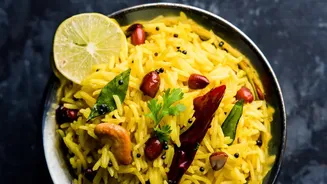
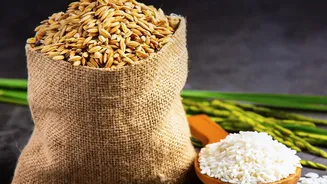
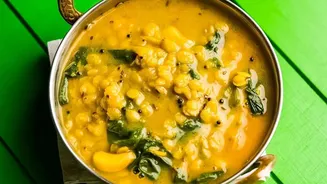
Heavy meals can tax the digestive system, so the monsoon is the perfect time for lighter grains and pulses. Moong dal is highly recommended because it is one of the most easily digestible lentils. A warm bowl of khichdi, made with rice and moong dal, is considered an ideal monsoon meal—it's a complete protein, comforting, and gentle on the stomach. Other good choices include millets like ragi and jowar, which are nutritious and fibrous. Old grains such as aged barley and wheat are also recommended in traditional texts.
Don't Forget Probiotics and Immunity Boosters
A healthy gut is crucial for a strong immune system. Probiotics found in yogurt and buttermilk can help maintain a healthy balance of gut bacteria. However, some Ayurvedic traditions suggest consuming curd with caution and opting for fresh buttermilk (chaas) instead, as it is lighter. For a direct immunity kick, amla (Indian gooseberry) is a powerhouse of Vitamin C, which is vital for producing the white blood cells that fight infection. You can have it fresh, as a chutney, or in powdered form.