





Prioritise Safe Drinking Water
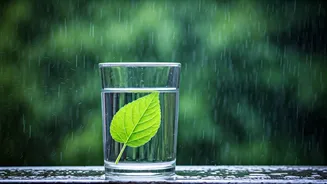
The single most important rule during the monsoon is to ensure the water you drink is safe. Heavy rains can lead to contamination of water sources, increasing the risk of water-borne diseases like typhoid, cholera, and gastroenteritis. Always boil your
drinking water for at least 10-15 minutes, even if you use a water purifier. Many purifiers might not eliminate all viruses that become more prevalent during this season. If you are travelling or outside, stick to bottled water from a reliable brand. Avoid drinking water or any beverages from street vendors, as the source and hygiene standards are often questionable.
Boost Your Immunity with a Smart Diet
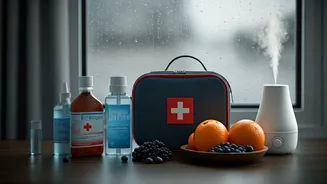
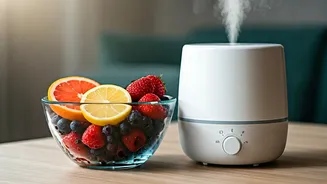
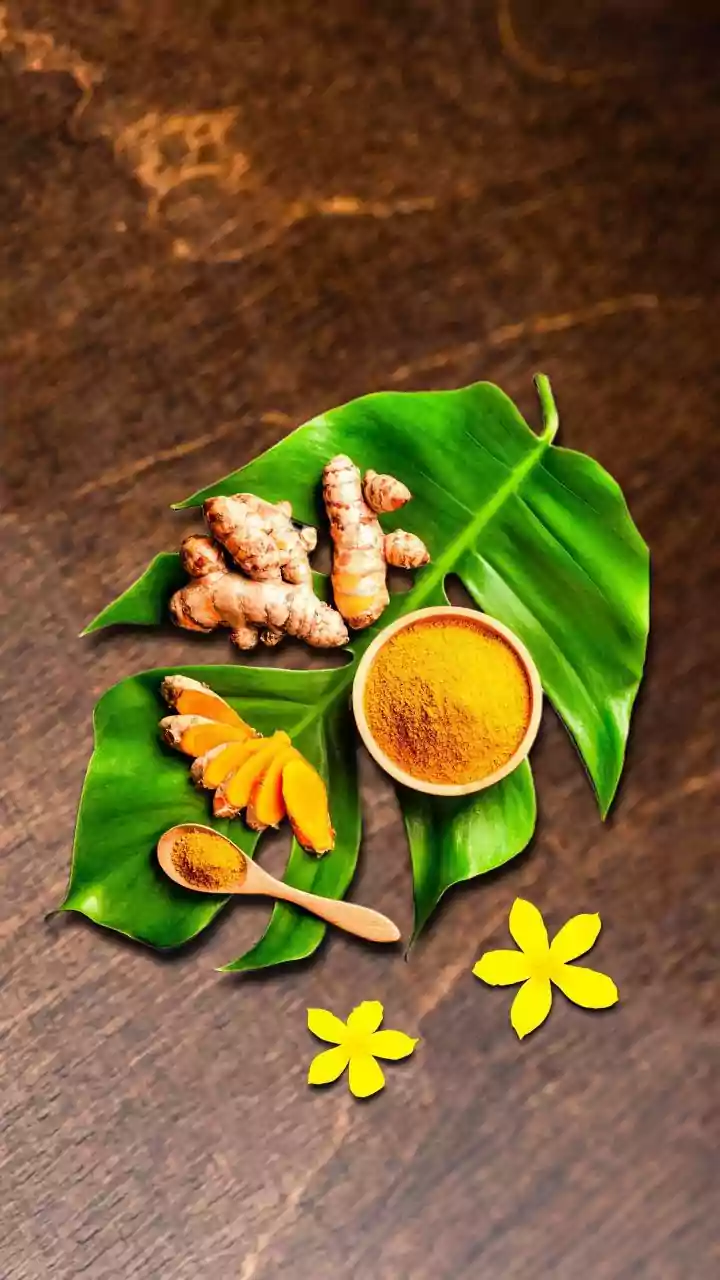
A strong immune system is your best defence. Incorporate immunity-boosting foods into your daily diet. Vitamin C is crucial, so include citrus fruits like oranges and lemons, as well as amla and bell peppers. Add warming spices like turmeric, ginger, and garlic to your cooking; they have excellent anti-inflammatory and antibacterial properties. Opt for light, home-cooked meals. Soups and broths are particularly comforting and hydrating. It's also wise to reduce your intake of raw vegetables, like salads, as they can carry germs. Instead, choose steamed or lightly cooked vegetables.
Keep Mosquitoes at Bay
Stagnant water is a paradise for mosquitoes, the carriers of diseases like dengue, malaria, and chikungunya. Take active steps to prevent mosquito breeding in and around your home. Do not let water collect in flower pots, old tyres, air cooler trays, or any open containers. Check for clogged drains and clear them promptly. Use mosquito nets at night, especially for children and the elderly. Applying a good quality mosquito repellent when you step outdoors, particularly during dawn and dusk, is also highly recommended. Wearing long-sleeved shirts and full-length pants can offer an additional layer of protection.
Avoid Street Food Temptations
That plate of piping hot pakoras or chaat from a street-side stall might seem irresistible on a rainy day, but it’s a major health risk. Food prepared in the open is exposed to high humidity and contaminated water, making it a breeding ground for bacteria. Cross-contamination is common, and the ingredients used may not be fresh. This can lead to severe stomach infections, jaundice, or typhoid. If you're craving snacks, prepare them at home where you can control the hygiene, oil quality, and freshness of the ingredients.
Practise Impeccable Personal Hygiene
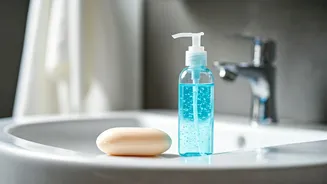
Washing your hands frequently with soap and water is non-negotiable, especially after coming indoors from the rain, before eating, and after using the washroom. The damp environment helps viruses and bacteria thrive on surfaces. Carry an alcohol-based hand sanitiser for times when you don't have access to soap and water. Also, take a shower with an antiseptic soap as soon as you get home after being drenched in the rain. This helps wash away any germs you might have picked up from dirty rainwater.
Keep Your Home Dry and Ventilated
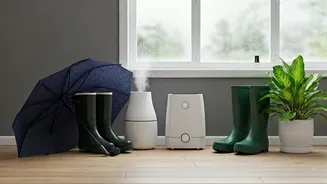
High humidity can lead to the growth of fungus and mould inside your home, which can trigger allergies and respiratory issues. Ensure your house is well-ventilated. Open windows whenever it is not raining to let fresh air circulate. Use an exhaust fan in the kitchen and bathroom. Damp clothes and shoes should be dried properly before being stored in a closet, as they can foster fungal growth. If you notice any dampness on walls, get it treated to prevent mould from spreading.
Don’t Ignore the Warning Signs
Despite taking all precautions, you might still fall ill. It's crucial to listen to your body and not ignore symptoms. If you experience fever, body aches, chills, nausea, or a persistent cough, don't self-medicate. These could be early signs of a monsoon-related illness that requires specific medical attention. Consulting a doctor early can lead to a quicker diagnosis and treatment, preventing the illness from becoming more severe.