





The Golden Rule: Understanding Sunlight
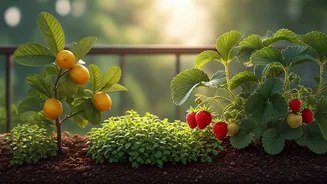
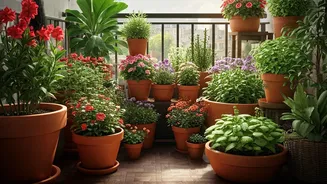
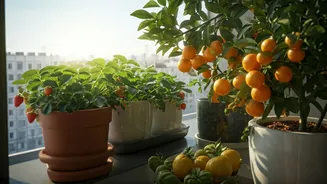
Before you buy a single plant, observe your balcony. Most fruit-bearing plants are sun worshippers and require what is known as 'full sun'. This translates to a minimum of six to eight hours of direct, unobstructed sunlight every day. A south or west-facing
balcony is often ideal. While some plants, like alpine strawberries, might tolerate a bit of shade, most popular choices for Indian climates—like lemons, guavas, and pomegranates—will not produce fruit without sufficient light. Sunlight is the energy source that fuels the creation of flowers and, subsequently, fruit. Skimping on this requirement is the most common reason for a fruitless balcony garden.
Choosing Your Fruitful Companions
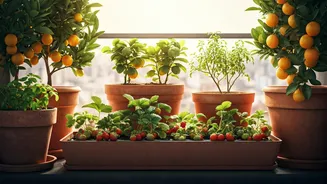
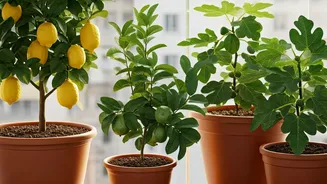
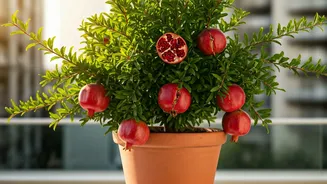
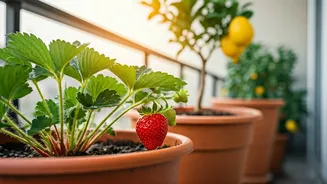
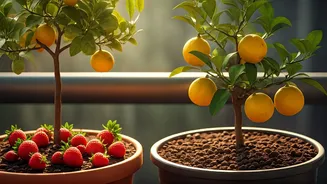
The right plant is crucial for container gardening. Focus on 'dwarf' or 'grafted' varieties, which are specifically bred to remain compact and produce fruit in pots. For quicker gratification, strawberries are a great start; they can be grown in hanging baskets and often fruit within the first season. Cherry tomatoes, technically a fruit, are also rewarding for beginners, yielding abundantly in a short time. For a long-term investment, consider dwarf varieties of lemon (like Baramasi), guava (like Thai Guava), pomegranate, and fig (Anjeer). These are well-suited to Indian climates and, once mature, can be very productive in large containers.
The Art of Patience: A Gardener's Virtue
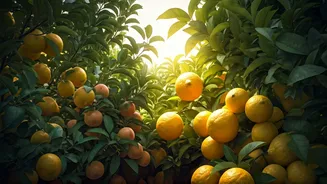
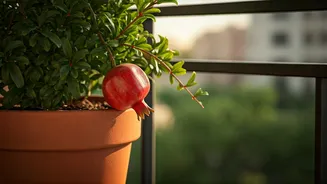
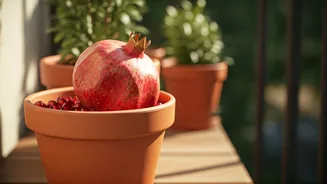
This is where the second part of the headline comes into play. While strawberries might give you a quick win, most fruit trees require a significant waiting period. When you plant a grafted lemon or guava tree, you are embarking on a multi-year journey. It can take anywhere from two to five years for these trees to mature enough to produce a meaningful harvest. For instance, a pomegranate plant from a nursery might take 2-3 years to fruit, while a pineapple can take even longer. This waiting period is not passive; it involves consistent care. Patience means understanding that the plant needs time to establish a strong root system and canopy before it can support the energy-intensive process of fruiting.
Creating a Happy Home: Pots and Soil
Your plant's container is its entire world. A common mistake is starting with a pot that is too small. For dwarf trees like guava or lemon, a large container of at least 18-24 inches in diameter is necessary from the start. Good drainage is non-negotiable, so ensure your pots have holes at the bottom. Garden soil is often too heavy for pots; instead, use a well-draining potting mix. A good recipe is a mix of garden soil, compost or cow dung manure, and something to improve aeration like coco peat or perlite. This provides nutrients, moisture retention, and prevents the roots from becoming waterlogged.
Consistent Care for a Bountiful Harvest
Patience is also about daily and weekly commitment. Plants in containers dry out much faster than those in the ground, especially on a sunny balcony. You may need to water your plants daily during hot weather. Check the soil by sticking your finger an inch deep; if it feels dry, it's time to water. Regular feeding is also crucial, as nutrients wash out of pots with every watering. Use a balanced fertilizer or organic options like vermicompost or compost tea every few weeks during the growing season to provide the energy your plants need to thrive and eventually produce those delicious, homegrown fruits.