




Why Monsoon Demands a Diet Shift
The rainy season isn't just about grey skies; it changes our body's internal environment. High humidity slows down digestion and weakens our metabolism, making us more susceptible to illness. The damp conditions are also a perfect breeding ground for
bacteria, viruses, and fungi, leading to a sharp increase in foodborne and waterborne diseases like cholera, typhoid, and gastroenteritis. Hospitals often report a significant rise in such infections within weeks of the monsoon's arrival. Therefore, shifting your diet to lighter, safer, and immunity-boosting foods is not just a good idea—it's an essential strategy for staying healthy.
Foods to Embrace This Season
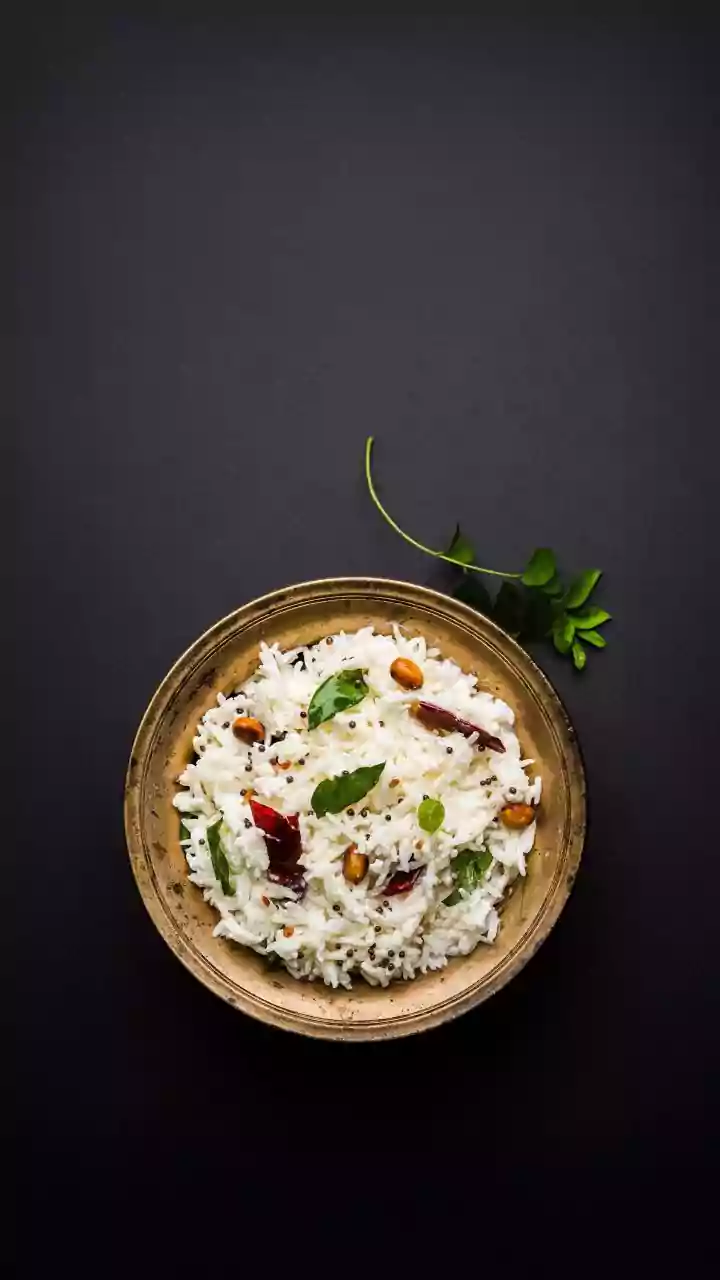
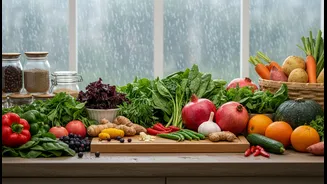
Focus on warm, freshly cooked, and easily digestible meals. Think light soups, steamed vegetables, and simple preparations like khichdi. Incorporate seasonal vegetables that grow above the ground, such as bottle gourd (lauki), bitter gourd (karela), ridge gourd, and pumpkin, as they are less prone to contamination from waterlogged soil. For fruits, choose seasonal options like jamun, pears, pomegranates, and cherries. Spices are your friends; ginger, garlic, turmeric, and black pepper not only add flavour but also have antimicrobial properties and aid digestion. Probiotic foods like fresh, homemade curd and buttermilk can support gut health, but are best consumed during the day.
Strengthen Your Defences with Immunity Boosters
A strong immune system is your best defence. Load up on Vitamin C-rich foods like citrus fruits, amla, and guava, which help in the production of white blood cells that fight infection. Zinc is another crucial mineral for immune function. A handful of pumpkin seeds, almonds, or cashews can provide a significant zinc boost. Herbal teas made with ingredients like tulsi, ginger, and honey can also strengthen immunity and soothe the digestive system. Including a variety of nuts and seeds in your diet provides essential nutrients like omega-3 fatty acids and vitamin E, which support overall health.
What to Leave Off Your Plate
Certain foods carry a higher risk during the monsoon. It's wise to avoid leafy green vegetables like spinach and cabbage, as they grow close to the ground and can retain mud, microbes, and worms that are difficult to wash off. Raw foods, including salads and pre-cut fruits from vendors, should also be skipped due to the high risk of contamination. Steaming vegetables before eating is a safer alternative. Be extremely cautious with street food, especially items like pani puri where untreated water is often used. Deep-fried snacks from roadside stalls can also be problematic if cooked in unhygienic conditions. It's also recommended to avoid seafood, as this is the breeding season for many fish, and the risk of contamination is higher.
Hydration and Hygiene: The Golden Rules
Proper hydration is key, but water safety is paramount. Drink only boiled or properly filtered water to prevent waterborne infections. Avoid tap water or ice from outside sources. Warm drinks like herbal teas and soups are excellent choices. Beyond what you eat, hygiene is your first line of defence. Wash your hands thoroughly with soap before and after handling food. All fruits and vegetables must be washed meticulously under clean, running water; soaking them in salt or vinegar water for a few minutes can help remove germs. Keep your kitchen surfaces and utensils clean, and always store food in sealed containers in the refrigerator to prevent spoilage in the humid weather.