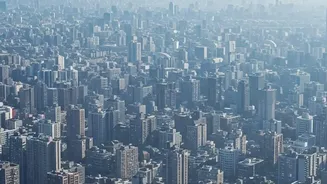





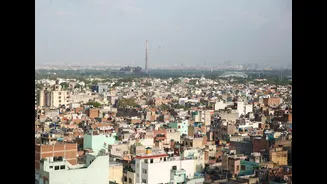
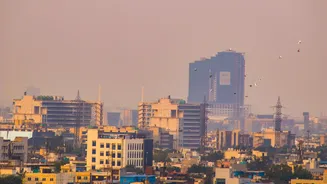
The annual haze over India's cities is more than just a grim spectacle. It's a silent crisis draining the nation's health and wealth, creating a devastating cycle where public health emergencies and severe economic risks fuel each other.
The Scale of the Health Crisis
The human cost
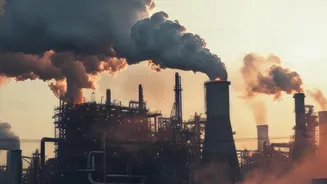
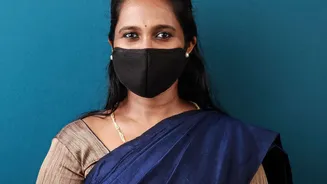
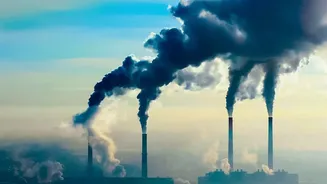
of India’s toxic air is staggering. According to a report in The Lancet, air pollution was linked to nearly 1.7 million premature deaths in India in 2019, accounting for almost 18% of all deaths in the country. The sources are numerous, stemming from vehicle emissions, industrial output, construction dust, and the burning of crops and biomass for cooking. These pollutants, especially fine particulate matter (PM2.5), are inhaled deep into the lungs and enter the bloodstream, leading to a host of devastating health issues. While respiratory illnesses like asthma and lung cancer are the most obvious results, studies have increasingly linked air pollution to heart disease, stroke, diabetes, and even adverse pregnancy outcomes. An analysis of five decades of research in India found that over 91% of epidemiological studies reported at least one adverse health association with air pollution, underscoring a wide-ranging public health emergency that extends far beyond a seasonal cough.
A Direct Drain on the Economy
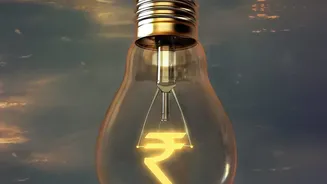
The widespread health crisis translates directly into massive economic losses. The World Bank and other institutions have quantified this damage, with estimates suggesting air pollution costs India's economy anywhere from 1.36% to over 3% of its GDP annually. One report pegged the cost to Indian businesses at around $95 billion in a single fiscal year due to lost productivity, work absences, and premature deaths. A 2021 Lancet study calculated the economic loss from lost output due to premature deaths and morbidity at $36.8 billion in 2019 alone. This figure is equivalent to more than a third of India's total health expenditure for that year, highlighting how money that could be spent on advancing healthcare is instead being lost to a preventable problem. These costs don't even include the direct expenses of treating pollution-related illnesses, which place a heavy burden on household budgets and the public healthcare system.
Reduced Productivity and Slowed Growth
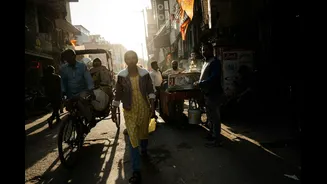
Beyond the headline numbers of deaths and disease, air pollution quietly sabotages the engine of the economy: its workforce. High pollution levels lead to increased absenteeism and 'presenteeism', where employees are at work but less effective. Studies show that on days with poor air quality, worker efficiency can drop significantly. This impacts every sector, from outdoor labourers like construction workers and street vendors who lose income on sick days, to office workers in the IT sector, which faces productivity losses estimated at over a billion dollars annually. The damage is so pervasive that it affects macroeconomic growth. A World Bank paper found that an increase in PM2.5 pollution can reduce a district's year-on-year GDP growth by as much as 0.56 percentage points. This compounding loss widens the gap between the economy India has and the one it could achieve with cleaner air.
Impacts Beyond the Obvious
The economic fallout of air pollution extends into sectors not immediately associated with health. Agriculture, a cornerstone of the Indian economy, suffers significant crop yield losses due to high concentrations of ground-level ozone and particulate matter. Tourism is also affected, as poor air quality diminishes the appeal of cities and natural attractions, leading to reduced visitor numbers and lost revenue. Furthermore, pollution acts as a deterrent to investment. Companies may be hesitant to establish operations in cities with notoriously bad air, factoring in the higher healthcare costs for employees and the difficulty in attracting top talent to places with low liveability rankings. This creates a vicious cycle where pollution not only harms current economic activity but also hampers future opportunities for growth and development.