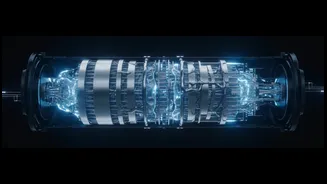





What Is a Sodium-Metal Battery?
Think of a sodium-metal battery (SMB) as a close cousin to the more familiar sodium-ion battery. Both use abundant and cheap sodium instead of lithium. The key difference lies in the anode (the negative terminal). While sodium-ion batteries typically
use hard carbon for the anode, sodium-metal batteries use pure metallic sodium. This design theoretically allows for much higher energy density, making SMBs lighter and more compact than their sodium-ion counterparts, bringing them closer in size and weight to lithium-ion batteries. The goal is to combine the low cost and abundance of sodium with the performance needed for everything from EVs to large-scale energy storage.
How Fast Can It Really Charge?
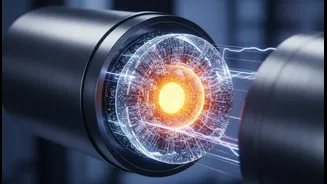
Fast charging is one of the most exciting promises of sodium-metal technology. Recent laboratory breakthroughs have shown stunning results. In a July 2026 announcement, researchers in China detailed a new SMB design that could charge from zero to 100% in just four minutes. This was achieved in a small experimental cell using a special gel electrolyte that prevents a major degradation issue. While this is an impressive lab result, it's not ready for your car just yet. When tested at a slightly slower 20-minute charge rate, the battery showed excellent durability, which is a more realistic near-term goal. Still, the potential to charge significantly faster than current lithium-ion batteries is a major driver for researchers.
What Is 'Cycling' and How Long Do They Last?
'Cycling' refers to one full charge and discharge of a battery. The total number of cycles a battery can endure before its capacity significantly drops is its 'cycle life'. This is a critical factor for both phones and electric cars. A major hurdle for sodium-metal batteries has been dendrites—tiny, spiky sodium deposits that grow during charging and can short-circuit the cell, killing the battery. However, new designs are tackling this. The same gel that enables fast charging also prevents these dendrites from forming. In recent tests, a lab prototype retained 90% of its capacity after 2,000 cycles at a 20-minute charge rate, a figure that rivals the theoretical limits for some lithium-ion batteries. Another test ran for over 6,000 hours without failure, showing remarkable longevity and stability.
Are Sodium-Metal Batteries Safer?
Safety is a huge consideration, and sodium batteries generally have a good reputation. They tend to have better thermal stability than many lithium-ion types, meaning they are less prone to overheating and causing fires, a phenomenon known as thermal runaway. The very nature of highly reactive metallic sodium, however, presents its own safety challenges that researchers are actively working to solve. Some new designs use nonflammable electrolytes to drastically reduce fire risk. While no battery is completely without risk, the consensus is that sodium-based chemistries, including SMBs, offer a potentially safer alternative to high-energy lithium-ion batteries, especially for stationary storage where safety is paramount.
When Can We Expect Them in India?
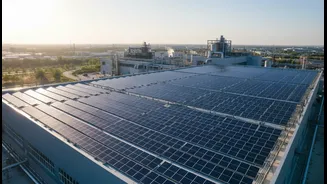
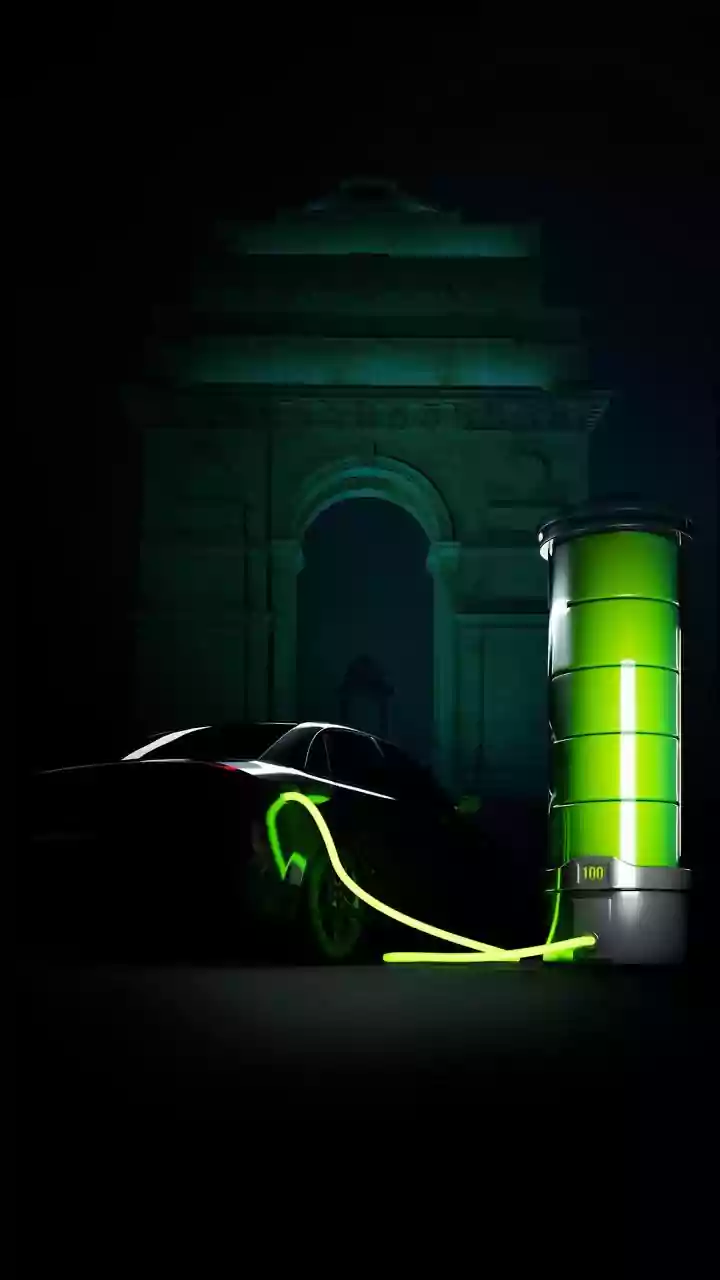
While sodium-metal batteries are still largely in the research and development phase, the broader sodium-ion ecosystem is gaining serious traction in India. Companies like Indi Energy and initiatives by major players like Reliance are pushing to commercialise sodium-ion technology for the Indian market. The government is also backing this push through R&D centres like ARCI. The primary advantage for India is the abundance of sodium, which reduces reliance on imported lithium and cobalt. Initially, sodium-ion batteries are expected to be deployed in stationary energy storage systems, like for solar and wind farms. As the technology matures and sodium-metal versions prove their performance in real-world conditions, they could eventually find their way into India's growing EV market. But for now, think years, not months.