








The End of the Dieting Treadmill
For decades, the path to wellness was paved with punishing rules and forbidden foods. We were told to count every calorie, demonise entire food groups, and chase after fleeting trends—from keto to intermittent fasting and beyond. This approach turned
eating, a source of joy and nourishment, into a stressful mathematical equation. The result? A cycle of restriction, cravings, guilt, and eventual burnout. More and more people in India are stepping off this treadmill, exhausted by the psychological and physical toll of warring with their own appetites. They are realising that a life dictated by a diet app is no life at all.
Why Strict Diets So Often Fail
The science and lived experience are clear: extreme restriction is not a sustainable strategy. When you severely limit calories or cut out essential nutrients, your body fights back. Metabolism can slow down in a process called metabolic adaptation, making it harder to lose weight in the long run. The psychological cost is just as high. The constant focus on what you *can't* eat fosters a sense of deprivation, which can lead to bingeing and an unhealthy relationship with food. Social gatherings become minefields, and the joy of sharing a meal is replaced by anxiety. These diets are designed for short-term results, not long-term health and happiness.
The Rise of 'Seasonal Common Sense'
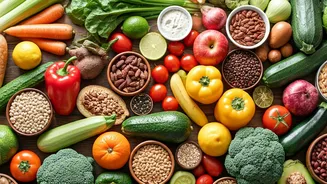
So, what is the alternative? It’s a beautifully simple concept that our grandparents would instantly recognise: eating what is fresh, local, and in season. This isn’t a fad; it’s a return to intelligence. In India, this means embracing juicy mangoes and watery melons in the scorching summer heat, enjoying hearty greens like sarson ka saag and bathua during the cool winter months, and celebrating the monsoon with roasted bhutta and hot pakoras. Eating seasonally ensures that you are consuming produce at its peak of flavour and nutritional value. Fruits and vegetables that are ripened naturally and harvested at the right time are packed with more vitamins, minerals, and antioxidants.
Listening to Nature, and Your Body
This shift is about more than just what’s on your plate; it’s a mindset. Seasonal eating encourages you to reconnect with natural rhythms. It’s a form of intuitive eating, where you listen to your body’s cues for hunger and satisfaction. It aligns with ancient Indian wisdom, like the principles of Ayurveda, which have long advocated for ‘Ritucharya’—a lifestyle and diet regimen based on the season. The idea is to eat foods that balance your body against the effects of the prevailing weather. It’s about working *with* nature, not against it. This approach moves the focus from weight loss to holistic well-being, nourishment, and gut health.
How to Embrace the Shift
Adopting seasonal common sense doesn’t require an expensive plan or a complicated app. It starts with curiosity. The next time you visit your local sabziwala or farmers' market, ask what’s fresh and in abundance. Notice which fruits and vegetables are piled high and priced reasonably—that’s nature’s sign that they are in season. Experiment with regional recipes that have been built around these seasonal ingredients for generations. The goal isn’t perfection, but presence. It’s about choosing a crisp carrot over an imported, cold-storage apple in the winter, and celebrating the taste of food as it was meant to be eaten.