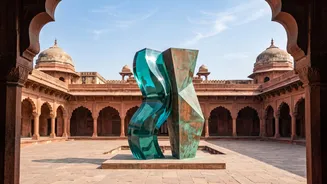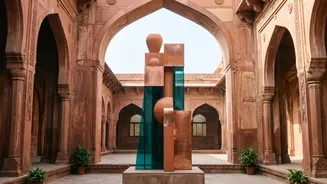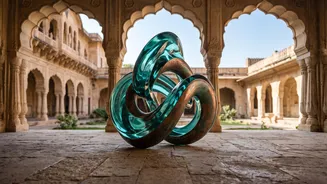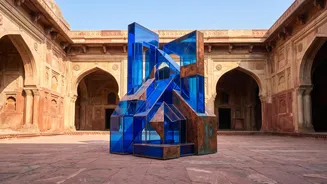







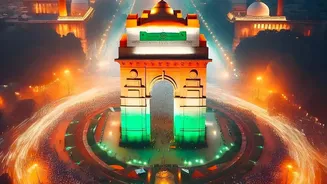
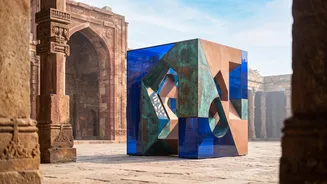
Imagine a sleek, minimalist installation glowing within the ancient arches of a Mughal tomb. This is the visual poetry at the heart of the India Biennale 2026, an ambitious event where the nation's past and future engage in a silent, stunning conversation.
A Vision of Past and Present
The India Biennale of Design 2026 has unfurled across several of the nation's most historically significant cities, but it’s the central theme that has captured the imagination of the global design community. Titled 'Temporal Weaves', this year's event boldly juxtaposes cutting-edge contemporary design with the timeless grandeur of India's heritage venues. The goal, according to the biennale's curatorial director, is not merely to use these sites as 'backdrops' but as active participants in a dialogue. It asks a powerful question: how can modern design honour, challenge, and reinterpret spaces that have stood for centuries? The result is an immersive experience that encourages visitors to see both the new creations and the old structures with fresh eyes, fostering a deeper appreciation for the continuum of Indian artistry.
The Historic Canvases
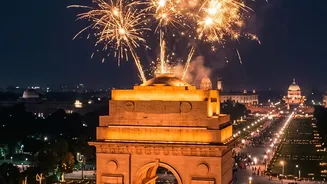
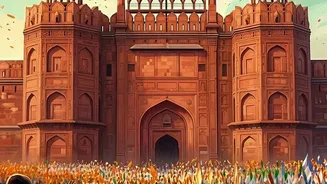
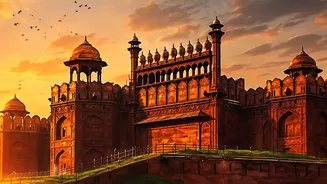
This year, the biennale unfolds across a curated trail of heritage sites in Delhi and Jaipur. In Delhi, the sprawling gardens of Humayun's Tomb host large-scale sculptural installations that mirror the monument's perfect symmetry, while the weathered ramparts of the Red Fort become an unconventional gallery for digital art and light projections that activate at sunset. Meanwhile, in Jaipur, several long-forgotten havelis in the city's old quarter have been temporarily revived, their intricate frescoes and courtyards providing an intimate setting for bespoke furniture and textile exhibits. Organisers worked closely with archaeological and conservation bodies to ensure that every installation respects the integrity of these protected sites. The choice of venues is deliberate, aiming to draw attention not just to famous monuments but also to lesser-known architectural gems, encouraging a new form of cultural tourism.
Voices of Modernity
The roster of participating designers and artists is a dynamic mix of established Indian masters and emerging global talent. Mumbai-based design duo 'Studio Form/Function' has created a series of interactive sound sculptures within a quiet corner of Lodhi Garden, responding to the ambient noises of the park and the ancient tombs it houses. Another highlight is a sustainable pavilion by architect Anjali Sharma, constructed entirely from reclaimed materials and situated near the Qutub Minar. Her work explores modern environmental concerns while echoing the ingenuity of ancient builders. International participants have also embraced the theme with sensitivity. A Japanese artist, for instance, has installed a delicate paper art installation inside a Jaipur haveli, its fragility a poignant contrast to the stone structure's permanence. Each piece tells a story, not just of its own creation, but of its relationship with the space it occupies.
More Than Just an Exhibition
Beyond the visual spectacle, the India Biennale 2026 is a hub of intellectual and creative exchange. A robust programme of talks, workshops, and guided tours runs parallel to the main exhibitions. Panel discussions feature architects, historians, and urban planners debating the challenges and opportunities of modernising within historic urban landscapes. Aspiring designers can participate in masterclasses led by the exhibiting artists, learning skills that range from digital fabrication to traditional craft techniques. This educational component is central to the biennale's mission: to cultivate the next generation of Indian designers and to make design thinking accessible to a wider public. By transforming heritage sites into open air classrooms and forums, the event democratises conversations about art, culture, and public space.