




Look Beyond the Buzzwords
The first step to smarter tea shopping is learning to decode the packaging. Many mass-market brands use attractive boxes and compelling stories to sell blends that may rely more on flavouring than the quality of the tea itself. An authentic blend, by
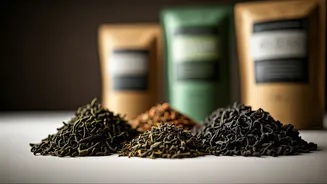
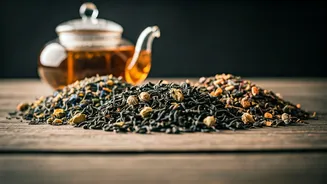
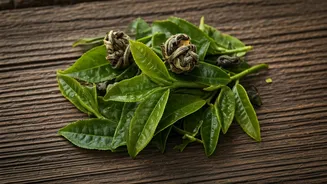
contrast, is crafted to highlight the nuances of the tea leaves. The goal should be a balance where the tea itself is the star, not overpowered by additives. Look for whole or large, unbroken leaves. Teas that appear crumbled, dusty, or full of fragments are often made using the "Cut, Tear, Curl" (CTC) method, a less expensive process that can result in a more bitter, less flavourful brew. A high-quality tea should feel sturdy and have a slight weight to it; leaves that crumble easily may be old or stale.
The Truth About 'Natural Flavours'
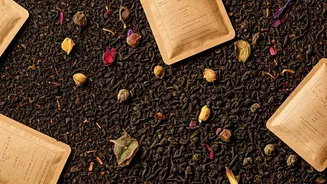
One of the most confusing terms on an ingredient list is "natural flavours." While it sounds wholesome, the term can be misleading. These flavours are derived from natural sources, but they are often highly processed chemical compounds designed to create a consistent and potent taste. Sometimes, they are used to mask lower-quality tea leaves. In the US, a flavour labelled "nature identical"—meaning it has the same chemical structure as a natural compound but is synthesized—must be called artificial. In Europe, the same product might not be. Truly authentic blends often use real botanicals, spices, or the process of scenting, where tea leaves naturally absorb the aroma of ingredients like jasmine flowers. If the ingredient list is vague, be wary. Clear lists that name the specific plants and spices used are a much better sign of quality.
Understand Sourcing and Certifications
Knowing where your tea comes from is a powerful indicator of its quality. Reputable sellers are transparent about the tea's origin, often naming the specific country, region, or even the estate where it was grown. Harvest dates are also important, especially for green and white teas, as freshness is key to their flavour. Beyond origin, certifications can tell a story. Labels like USDA Organic or the European organic leaf ensure the tea was grown without synthetic pesticides and fertilisers. Others, like Fairtrade, focus on ethical practices, guaranteeing a minimum price and safe working conditions for farmers and workers. The Rainforest Alliance certification addresses both environmental and social standards. While these labels are a good guide, some small, high-quality producers may not be able to afford the certification process, so a lack of a label isn't always a red flag if other quality indicators are present.
Trust Your Senses
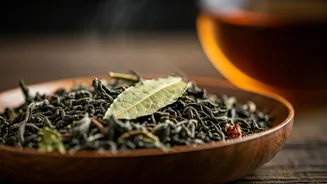
Once you have the tea at home, your own senses are the final judge. A high-quality dry leaf tea should have a vibrant, natural aroma. If the scent is faint, musty, or overly perfumed, it may signal a poor-quality blend. When brewed, the colour should be clear and appropriate for the tea type—a pale golden-green for many green teas, or a rich amber for black teas. The taste is, of course, the ultimate test. A great tea will have a strong, recognizable, and complex flavour profile that can evolve with each sip and even across multiple steepings. It should not have a harsh, astringent bitterness that is often characteristic of lower-grade teas. Developing your palate takes time, so start by sampling different types from reputable vendors to learn what you enjoy.