




The Gut-Brain Superhighway
For years, we've thought of the gut as a simple digestive tube, but science is revealing it to be so much more. It's home to its own nervous system and trillions of bacteria, collectively known as the gut microbiome. This bustling inner world communicates
constantly with your brain through a complex network called the gut-brain axis. This two-way street means that just as stress can cause stomach issues, the health of your gut can directly influence your mood, stress levels, and cognitive function. In fact, a significant portion of the body's serotonin, a key mood-regulating neurotransmitter, is produced in the gut. This communication is what makes your dietary choices so impactful on your mental state.
Meet Fermentable Fiber
Not all fiber is created equal. While we often hear about fiber for regularity, a specific type called fermentable fiber plays a starring role in mental wellness. This type of fiber, also known as prebiotic fiber, isn't digested by your body. Instead, it travels intact to your colon, where it becomes the primary food source for your beneficial gut bacteria. Think of it as fertilizer for your internal garden. When these microbes feast on fermentable fibers, they produce powerful compounds as byproducts. This fermentation process is the key to unlocking the brain-boosting benefits hidden in these foods.
The Science of a Better Mood
The magic happens during that fermentation process. As gut bacteria break down these fibers, they release metabolites called short-chain fatty acids (SCFAs), primarily acetate, propionate, and butyrate. These SCFAs are the heroes of our story. They enter the bloodstream and act as signaling molecules throughout the body. They help reduce inflammation, a known contributor to depression and anxiety. Furthermore, SCFAs can influence the production of neurotransmitters like serotonin and dopamine, which are critical for mood stability. There's also evidence they help increase brain-derived neurotrophic factor (BDNF), a protein that promotes the growth of new neurons and supports mental flexibility.
Sharpening Your Daily Focus
The benefits aren't limited to mood. That same inflammation reduction and improved gut health can also clear away brain fog and sharpen your mental focus. SCFAs play a role in maintaining the integrity of the blood-brain barrier, a protective shield that keeps harmful substances from entering the brain. A stronger barrier means less neuroinflammation, which is often linked to cognitive issues like poor concentration and memory. By fueling a healthy gut that produces plenty of SCFAs, you create an internal environment that supports better cognitive performance, helping you stay locked in and productive throughout the day.
Foods to Add to Your Plate
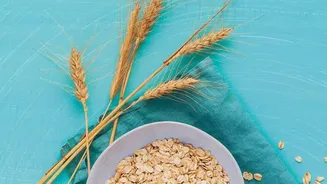
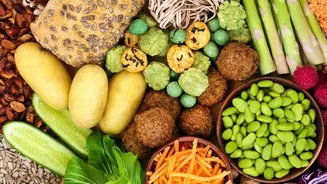
Ready to feed your brain? The good news is that fermentable fibers are found in a wide variety of delicious and accessible foods. You don't need expensive supplements. Focus on incorporating a diverse range of these plant-based items into your regular meals. Top sources include onions, garlic, and leeks. Vegetables like asparagus and artichokes are also excellent choices. For fruits, reach for slightly green bananas and apples. Legumes like lentils and beans are powerhouses of fermentable fiber. Finally, whole grains such as oats and barley round out the list, providing a steady supply of fuel for your friendly gut microbes.
How to Get Started
If your current diet isn't rich in fiber, it's best to start slowly. Suddenly increasing your intake of fermentable fibers can lead to temporary bloating and gas as your gut microbiome adjusts to its new, healthier food supply. Begin by adding one or two new sources to your diet each week. Try adding onions and garlic to your cooking, having a bowl of oatmeal for breakfast, or adding a side of beans to your lunch. Pay attention to how you feel and drink plenty of water, which helps fiber do its job. A gradual, consistent approach is the most effective way to build a resilient and healthy gut that supports a happy, focused mind.