





The Rise of the AI Wellness Coach
By 2026, artificial intelligence is no longer a futuristic concept; it's a daily companion for millions in India and globally. AI-powered wellness apps promise to be your personal trainer, sleep guru, and nutritionist, all in one. These platforms use
data from your phone, wearables, and manual logs to provide instant feedback, track habits, and offer suggestions designed to optimise your health. The appeal is obvious: 24/7 guidance, data-driven insights, and personalised plans at a fraction of the cost of human experts. For many, these tools have lowered the barrier to self-reflection and helped build consistent routines. But as we embrace these digital mentors, a critical question emerges: how personalised is this advice, really?
How AI Decides Your Diet
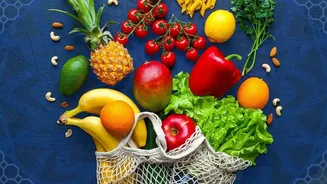
When you ask an AI for a meal plan, it's not thinking like a human chef or a dietitian. It's running a complex calculation. It accesses vast databases of food items, nutritional information, and scientific studies. Then, it cross-references this with the goals you've set (weight loss, muscle gain) and the data you've provided (age, weight, activity level). Advanced platforms can even analyse photos of your meals to identify what you're eating and estimate its nutritional content with surprising accuracy. The result is a mathematically optimised suggestion, designed to hit specific macro and micronutrient targets. On paper, it's a perfect system for delivering scientifically sound dietary advice.
The Crucial Element: Context
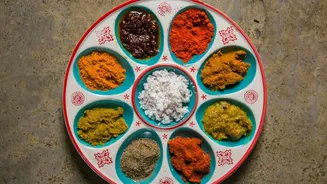
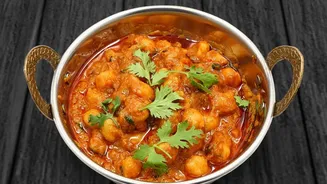
Here's where things get complicated. Nutrition isn't just about numbers; it's deeply personal and cultural. This is the 'context' that generic AI often misses. For an AI's advice to be truly useful in India, it needs to understand more than just calories. Cultural context means recognising that 'dal' isn't just 'lentil soup' and that the nutritional value of a roti depends on the flour used. It's about knowing the difference between biryani and pulao, and understanding that a festive meal has social significance beyond its calorie count. A number of new platforms are now being built specifically to address this gap, training their AI on thousands of authentic Indian dishes and cooking styles.
Beyond Culture: Personal and Medical Nuances
Context also includes your personal health history, lifestyle, and even your mood. Does the AI know you have a specific food allergy, are managing PCOS, or have a family history of diabetes? Does it understand the stress of a deadline might make you crave comfort food, not a kale smoothie? Without this deeper understanding, AI suggestions can feel generic, inappropriate, or even unsafe. The most advanced AI models are beginning to learn, but they lack the intuition of a human coach who can read between the lines, notice your tone of voice, and ask about the things you're not saying. An algorithm can't replicate human empathy or make complex connections between your emotional state and your eating habits.
The Future is Hyper-Personalised
The future of AI nutrition doesn't lie in replacing human experts, but in augmenting them. The most effective trend is a hybrid approach where AI handles the heavy lifting of data tracking and analysis, freeing up human coaches to focus on empathy, motivation, and the nuanced, contextual guidance that machines can't provide. For users, this means the goal is not to blindly follow an algorithm. Instead, we should see these AI tools as powerful assistants. They can provide excellent data and generate useful ideas, but you remain the expert on your own life. Apps built for the Indian market are already showing the power of contextual intelligence, creating systems that work with, not against, our real-world eating patterns.