







Master Your Airflow
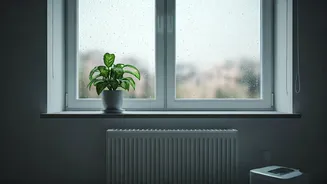
Ventilation is your first line of defence against dampness. Even during the rains, it's crucial to let your home breathe. Open windows on opposite sides of the house for at least 15-30 minutes a day, especially during dry spells or when the rain is light,
to create cross-ventilation. This pushes stale, moist air out and pulls fresh air in. Use exhaust fans in kitchens and bathrooms for at least 10 minutes after cooking or showering to expel excess humidity. For rooms with poor airflow, a simple ceiling or floor fan can work wonders to circulate air and prevent moisture from settling on surfaces.
Combat Damp Walls and Surfaces
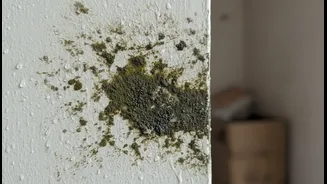
Walls, especially exterior ones, are notorious for absorbing moisture during the monsoon, leading to peeling paint and mould. Start by inspecting for any cracks or leaks, particularly around windows and in corners, and seal them with waterproof putty. Try to maintain a gap of at least a few inches between your furniture and the walls to allow air to circulate and prevent moisture transfer. Regularly wipe down walls, window sills, and other hard surfaces with a dry cloth. For stubborn damp patches or mould, a solution of white vinegar and water can be effective.
Keep Wardrobes and Linens Fresh
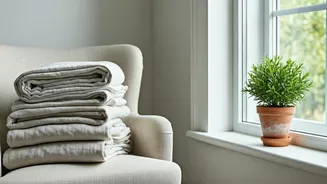
Cupboards are breeding grounds for musty smells as they trap moisture. The key is to absorb this excess humidity. Natural desiccants are a great, low-cost solution. Place open bowls of baking soda, uncooked rice, or activated charcoal in the corners of your wardrobes and drawers. These substances naturally absorb moisture and odours. For a fragrant touch, add small muslin bags filled with dried neem leaves or camphor. Camphor not only absorbs moisture but also repels insects like silverfish. Ensure all clothes are completely dry before storing them, and avoid over-packing your closets to allow air to move freely.
Neutralise Odours Naturally
Instead of masking odours with artificial air fresheners, which can add to indoor pollutants, focus on eliminating them at the source. Baking soda is a powerhouse for absorbing smells; sprinkle it on carpets and upholstery, let it sit for about 30 minutes, and then vacuum it up. Coffee grounds placed in a bowl can also help neutralize odours in a room. If you enjoy fragrances, opt for natural options like essential oil diffusers with tea tree, eucalyptus, or lavender oils, which have antibacterial properties. Crumbling a small piece of camphor into your mopping water acts as a natural disinfectant and leaves behind a clean, crisp scent.
Rethink Your Cleaning Routine
Monsoon cleaning requires a different approach. Use a dry or microfiber mop for daily floor cleaning to avoid adding more moisture to the air. When you do a wet mop, use a disinfectant solution and ensure the floor dries quickly, perhaps with the help of a fan. Pay special attention to cleaning drains in kitchens and bathrooms to prevent clogs and foul smells; a mixture of baking soda and vinegar can help keep them clear. It's also wise to roll up and store heavy carpets and rugs for the season, as they can trap significant moisture and become a source of mildew.
Invest in a Dehumidifier
For homes in extremely humid areas or those with persistent dampness issues, a dehumidifier can be a game-changer. These appliances work by pulling excess moisture out of the air, helping to maintain an ideal indoor humidity level of around 40-60%. This not only prevents the growth of mould and mildew but also protects wooden furniture and electronics from moisture damage. Running an air conditioner on its 'dry' mode can also achieve a similar, though less targeted, effect.