



What Exactly Are Sweet Basil Seeds?
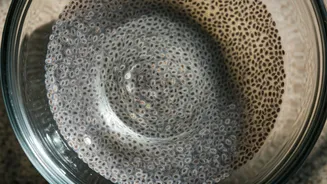
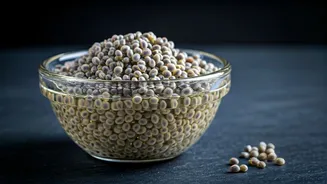
Often seen bobbing in summer drinks across India, sweet basil seeds are the tiny black seeds of the sweet basil plant, *Ocimum basilicum*. Locally known as sabja, tukmaria, or falooda seeds, they have a mild flavour reminiscent of basil. When soaked in water,
they perform a fascinating trick: they swell up to several times their original size, forming a translucent, gelatinous coating around a crunchy black centre. This unique property is central to their health claims. While they may look similar to chia seeds, which also form a gel, they come from a different plant and tend to plump up much faster.
The Gut Health Claim Explained
Scroll through any wellness-focused social media feed, and you'll see influencers and health gurus stirring sabja seeds into glasses of water, vibrant smoothies, and morning oats. The claims are often bold: they “cleanse the gut,” “relieve bloating and acidity,” and “promote a healthy digestive system.” The core idea promoted is that these soaked seeds act as a natural detoxifier, sweeping through your digestive tract and improving overall gut function. This has catapulted a humble, traditional ingredient into the global spotlight as a modern wellness staple. But what does the science say about these claims?
Fibre Is the Real Hero Here
The magic behind sabja seeds isn't a mystery—it's fibre. Specifically, they are incredibly rich in soluble fibre. The gelatinous coating that forms when they are soaked is a type of soluble fibre called mucilage. This substance plays several key roles in digestive health. First, it adds significant bulk to your stool, which can soften it and make it easier to pass, providing natural relief from constipation. Think of it as a gentle, natural broom for your digestive system. Second, this fibre acts as a prebiotic, which is essentially food for the beneficial bacteria living in your gut. A well-fed and diverse gut microbiome is linked to better digestion, improved immunity, and even better mental health. The claims of a “cleanse” are an overstatement, but their ability to support regular, healthy bowel movements is well-grounded in nutritional science.
Beyond the Gut: Other Potential Perks
While gut health is their main claim to fame, sabja seeds have other benefits rooted in both nutrition and tradition. For centuries, they have been used in Ayurveda and traditional Indian home remedies as a natural body coolant. This is why they are a star ingredient in heat-beating drinks like nimbu pani, rooh afza, and falooda during scorching summers. They help in maintaining hydration by absorbing water and releasing it slowly in the body. Furthermore, the seeds are a decent source of plant-based minerals, including iron, calcium, and magnesium, which are vital for everything from bone health to energy production. The high fibre content also promotes a feeling of fullness, or satiety, which can help prevent overeating and support weight management goals.
How to Use Sabja Seeds Correctly
Using sabja seeds is simple, but there's one non-negotiable rule: they must be soaked before consumption. Eating them dry can pose a choking hazard as they absorb liquid and expand rapidly. To prepare them, simply add one to two teaspoons of sabja seeds to a full glass of water, coconut water, or milk. Let them sit for at least 15-20 minutes, or until they have swelled completely and developed a substantial gel coating. Once soaked, you can drink the mixture as is, or get creative. Stir them into yoghurt, blend them into smoothies, sprinkle them over oatmeal or fruit salads, or use them as a healthy thickener in desserts. Their neutral taste makes them incredibly versatile.
Are There Any Risks or Side Effects?
While generally safe for most people, it’s wise to introduce sabja seeds into your diet gradually. A sudden, large increase in fibre intake can lead to temporary bloating, gas, or cramping as your digestive system adjusts. Start with just one teaspoon a day and see how you feel. Because they are so effective at absorbing water, it's crucial to drink plenty of fluids throughout the day when you consume them. Individuals with pre-existing digestive conditions, such as diverticulitis, or those who have difficulty swallowing should consult a doctor before adding sabja seeds to their routine. While not strictly contraindicated, some health professionals advise pregnant women to exercise caution, so it’s best to seek medical advice.