





Why Eating Seasonally Matters in Monsoon
The rainy season, or 'Varsha Ritu' in Ayurveda, is a time when our digestive fire, or 'Agni', is considered to be at its weakest. This makes us more susceptible to digestive issues and infections. Both ancient wisdom and modern nutrition advise shifting
towards warm, freshly cooked, and easily digestible foods. Monsoon vegetables are naturally suited for this purpose. They are typically lighter on the stomach and packed with immunity-boosting nutrients that help the body defend against seasonal illnesses. Opting for seasonal produce also means you're getting vegetables at their peak, in terms of both flavour and nutritional value.
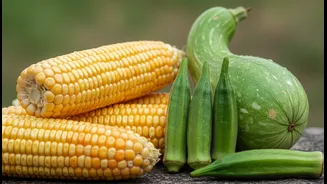
The Golden Wonder: Corn (Bhutta)
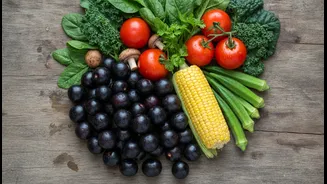
Nothing says monsoon in India quite like the aroma of roasted corn on the cob, or 'bhutta', seasoned with lemon and masala. This seasonal delight is more than just comfort food; it's a nutritional powerhouse. Corn is rich in fibre, which aids digestion and helps prevent common monsoon-related stomach issues. It's also a good source of B vitamins and antioxidants like lutein and zeaxanthin, which are beneficial for eye health. Its high water content helps with hydration during humid days, and the comforting warmth of a steamed or roasted cob is a simple, mood-enhancing pleasure. For a classic treat, roast the corn on an open flame, rub it with butter, lemon juice, and a mix of salt and chilli powder. You can also make a comforting sweet corn soup or a simple corn sabzi with mild spices.
The Cooling Champion: Bottle Gourd (Lauki)
Often underestimated, the humble bottle gourd, or lauki, is one of the healthiest vegetables to consume during the monsoon. According to Ayurveda, it has cooling properties and is exceptionally easy to digest, making it perfect for a season when the digestive system is sluggish. Composed of over 90% water, it's incredibly hydrating and very low in calories. Lauki is also a great source of both soluble and insoluble fibre, which helps maintain a healthy digestive tract and relieves constipation. Furthermore, it is rich in Vitamin C and iron, which contribute to a stronger immune system. When buying lauki, look for one that is pale green, firm, and has smooth skin. Avoid any with bruises or soft spots. It can be transformed into a variety of delicious and light dishes like Lauki Chana Dal, Lauki Kofte, or a simple, flavourful sabzi.
The Versatile Favourite: Okra (Bhindi)
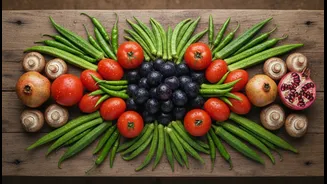
Okra, known as bhindi or 'lady's finger', is another monsoon staple found in kitchens across the country. It is loaded with essential nutrients, including Vitamins C, K1, A, and folate. Its high fibre content aids digestion and can help regulate blood sugar levels. The mucilage in okra, which gives it its characteristic slimy texture when cooked, can soothe the digestive tract. To avoid the sliminess, ensure the okra is completely dry before you chop it and consider adding a souring agent like lime juice or mango powder towards the end of cooking. Fresh okra should be firm, bright green, and two to four inches long. It's incredibly versatile and can be enjoyed as crispy Kurkuri Bhindi, a flavourful Bhindi Masala, or simply stir-fried with onions and spices.