




An Annual Emergency Response
Every year, as winter approaches, Delhi’s air quality plummets to hazardous levels, prompting a series of emergency measures under the Graded Response Action Plan (GRAP). A recurring and often immediate decision is the closure of schools, particularly
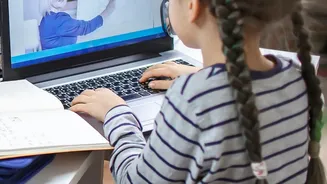
for younger children. This year is no different, with authorities directing schools for children up to Class 5 to adopt a hybrid learning model, effectively keeping thousands indoors to protect their lungs. While intended as a protective measure, this annual 'pollution break' has become a source of immense disruption for families. It forces a sudden shift from structured school days to the confines of home, replacing playgrounds and classrooms with screens and isolation.
From Playgrounds to Pixels
The switch to online classes means children lose more than just in-person instruction. They lose the crucial social interactions, physical activity, and environmental stimulation that are fundamental to their development. Experts warn that this prolonged indoor time, coupled with increased screen exposure, is a dangerous combination. Dr. Syed Hubbe Ali, a UNICEF health specialist, notes that when children cannot go outside, they turn to digital devices, creating a cycle of screen dependence fueled by the brain's reward system. This sedentary, screen-heavy lifestyle is linked to a host of problems, including irritability, sleep disturbances, and a significant drop in concentration levels.
The Invisible Toll on Mental Health
The connection between air pollution and mental health is increasingly clear to medical professionals. Psychologists at AIIMS Delhi have pointed out that the crisis is as much a mental health emergency as it is an environmental one. Fine particulate matter can trigger inflammation and stress responses that affect brain function and emotional regulation. For children, this manifests as heightened irritability, mood swings, and attention difficulties. The confinement itself, a form of 'cabin fever', exacerbates these issues. Cut off from friends and their normal routines, children can experience feelings of loneliness, sadness, and frustration that they may lack the vocabulary to express.
What Parents Can Do
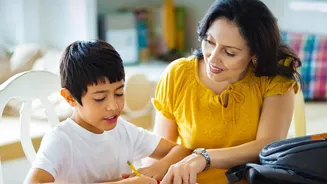
While parents cannot control the air quality, they can take steps to mitigate the psychological impact of confinement. Establishing a consistent daily routine is crucial, as it provides a sense of security and normalcy for children. This should include time for schoolwork, but also designated periods for play, physical activity, and family interaction, away from screens. Creating a safe space for children to talk about their feelings without judgment is paramount. Parents should validate their child’s worries, acknowledging their fear while expressing confidence in their ability to cope. Encouraging activities that provide a sense of accomplishment, whether it's building an obstacle course indoors or helping with chores, can also boost their mood and confidence.
Recognizing the Warning Signs
It is vital for parents to recognise the signs of anxiety. These can include changes in sleep patterns, shifts in appetite, unusual irritability or anger, a lack of interest in previously enjoyed activities, and complaints of headaches or stomach aches that have no clear physical cause. Anxiety in children doesn't always look like overt worry; sometimes it appears as defiance or aggression. If these behaviours persist and disrupt daily life, it may be time to seek professional guidance. Experts emphasize that addressing these concerns early can prevent them from escalating into more serious long-term mental health issues.