




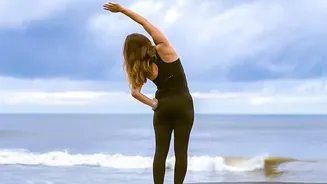
Start in the Water
Swimming and water aerobics are frequently called the ultimate joint-friendly exercises. The natural buoyancy of water supports your body weight, which dramatically reduces the stress and impact on your hips, knees, and spine. This allows you to move
more freely and with less pain than you might on land. The water also provides gentle, consistent resistance, helping to build muscle strength across your entire body. Studies have shown that aquatic workouts can significantly reduce joint pain and improve function, making activities like walking in the shallow end, gentle laps, or a structured water aerobics class an ideal starting point.
Embrace Gentle, Rhythmic Motion
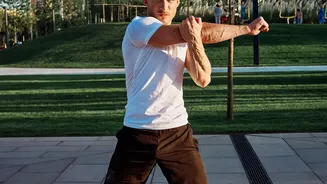
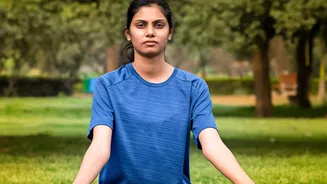
Tai Chi and gentle yoga are excellent for improving flexibility, balance, and body awareness without jarring your joints. Tai Chi, an ancient Chinese practice, involves slow, flowing, and controlled movements that enhance muscle strength, posture, and stability. It's proven to be so effective for joint pain that it's often recommended for managing knee and hip osteoarthritis. Similarly, gentle or restorative yoga focuses on foundational poses that increase your range of motion and strengthen stabilising muscles. Look for beginner classes that emphasise alignment and modifications, such as using a chair for support.
Give Cycling a SpinWhether on a stationary bike or a leisurely outdoor path , cycling is a fantastic low - impact cardiovascular workout that strengthens the muscles in your legs — like your quadriceps and hamstrings — which are crucial for supporting your knees . The smooth , circular motion avoids the pounding associated with running . For beginners , a stationary bike is a great place to start as you can control the resistance and environment . Ensure your bike is properly fitted ; a saddle that is too low can stress the front of the knee , while one that is too high can strain the hamstrings . Starting with low resistance on flat ' terrain ' is key .