






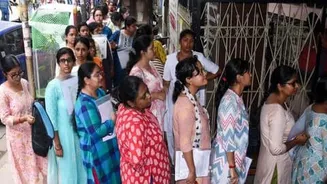

The Big Picture: A Four-Quarter High
According to the latest Periodic Labour Force Survey (PLFS) released by the Ministry of Statistics and Programme Implementation, the unemployment rate for individuals aged 15 and above rose to 5.4% in the first quarter of the 2026-27 financial year. This
is an increase from 5.0% in the preceding January-March quarter and marks a four-quarter high, matching the rate seen in the same period last year. The total number of employed persons stood at approximately 566 million, comprising 402 million men and 164 million women. This stability in the headline number suggests a labour market that isn't dramatically expanding or contracting, but the small increase from the previous quarter points to emerging pressures.
The Urban-Rural Story
The increase in joblessness was not confined to one part of the country; it was broad-based. In rural India, the unemployment rate saw a notable rise, climbing to 4.8% from 4.3% in the previous quarter. Meanwhile, urban centres also experienced a slight increase, with the unemployment rate inching up to 6.7% from 6.6%. Some analysis suggests the urban labour market has shown resilience, with one State Bank of India note highlighting its stability despite other moderations in labour force participation. However, the uptick in both rural and urban areas indicates a widespread challenge in creating sufficient employment opportunities across the board.
A Growing Concern for Women
The data paints a particularly concerning picture for women in the workforce. The overall female unemployment rate increased to 5.7% from 5.3% in the previous quarter. The situation is especially stark for young women. Female youth unemployment for those aged 15-29 surged to a series-high of 19.6% in the April-June period. This highlights a significant challenge in integrating young women into the economy. The gender gap remains a persistent issue, with female labour force participation showing mixed trends and a significant disparity remaining between rural and urban areas. In urban areas, the female unemployment rate stood at 8.7%, significantly higher than the 6.1% for urban males.
The Challenge of Youth Unemployment
Perhaps the most alarming statistic from the recent survey is the surge in youth unemployment. For the 15-29 age group, the unemployment rate jumped to 15.9%, the highest recorded in the current PLFS series. This is a significant increase from 15% in the previous quarter and 14.6% a year ago. The rise was driven by increases in joblessness for youth in both rural and urban areas. While the government has pointed to a longer-term decline in youth unemployment from 10.9% in 2022 to 9.9% in 2025, the latest quarterly figures indicate a sharp, worrying reversal that needs immediate attention. This trend suggests that the economy is struggling to create enough jobs for the large number of young people entering the labour market.
Reading the Economic Tea Leaves
While a stable headline number might seem reassuring, the underlying details of the latest PLFS report are a call for a more nuanced policy focus. The series-high unemployment among the youth, particularly young women, signals a critical distress point. Experts note that while the labour market shows some signs of stability, structural challenges remain. The data reveals a clear need to move beyond headline figures and address the specific vulnerabilities within the job market. The rising share of regular wage and salaried employment in both rural and urban areas is a positive sign, but it is not enough to offset the growing joblessness among the nation's youngest and most vulnerable workers.