


What Exactly Is a 'Ghotala'?
In Hindi and Gujarati, the word 'ghotala' translates to 'scam' or 'mess'. It’s a fittingly playful name for a dish that is, by design, a delicious jumble of ingredients mashed together on a hot pan. Originating from the bustling streets of Surat, Gujarat,
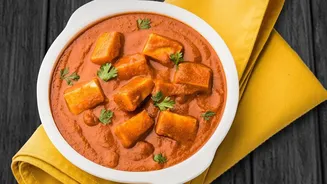
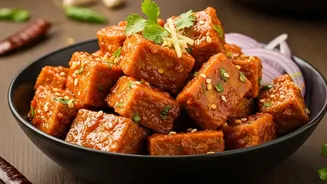
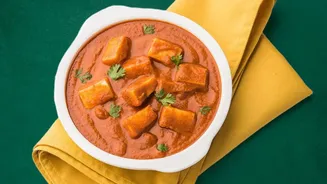
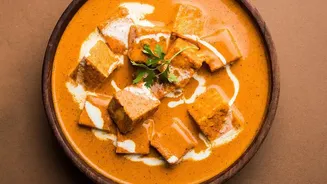
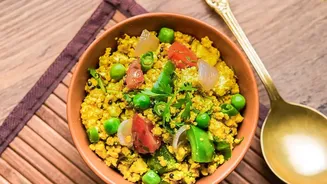
the original and most famous version is Anda Ghotala, made with eggs. This vegetarian adaptation, Paneer Ghotala, captures the same spirit by replacing eggs with soft, crumbly paneer, creating a texture that is both hearty and delightful. It has since become a street food star in its own right, beloved for its rich flavours and comforting appeal.
From Street Food to Home Kitchen
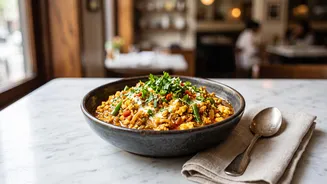
While it shares some similarities with Paneer Bhurji, Ghotala stands apart. The key difference often lies in the texture and the specific blend of spices. Ghotala typically involves mashing the ingredients on the pan to create a more cohesive, semi-gravy consistency, whereas Bhurji is more of a dry scramble. Furthermore, Ghotala recipes frequently include additions like capsicum, pav bhaji masala, and even a touch of processed cheese to enhance its creamy, indulgent nature, making it uniquely suited for scooping up with buttery pav.
Gather Your Ingredients
This recipe serves two to three people and keeps things straightforward. You will need: Paneer: 200 grams, freshly grated. The freshness of the paneer is key to achieving the right soft, crumbly texture. Vegetables: 1 medium onion, 2 medium tomatoes, and 1 small capsicum, all finely chopped. Aromatics: 1 teaspoon of ginger-garlic paste and 1-2 green chillies, finely chopped. Spices: ½ teaspoon turmeric powder, 1 teaspoon red chilli powder (adjust to taste), 1 teaspoon coriander powder, ½ teaspoon cumin powder, and ½ teaspoon garam masala. Binders & Fat: 2 tablespoons of oil, 1 tablespoon of butter, and optionally, 1 teaspoon of besan (gram flour) to help thicken the gravy. Finishing Touches: A handful of fresh coriander leaves for garnish, salt to taste, and a splash of water to adjust consistency.
Step-By-Step: Making the Ghotala
1. Sauté the Base: Heat oil in a wide, heavy-bottomed pan or kadai. Add the finely chopped onions and sauté until they turn soft and translucent. Add the ginger-garlic paste and green chillies, cooking for another minute until the raw smell disappears. 2. Build the Masala: Add the chopped tomatoes and a pinch of salt. Cook until the tomatoes break down and become mushy, releasing oil at the sides of the pan. Now is the time to add your dry spice powders: turmeric, red chilli, coriander, cumin, and garam masala. Stir for about a minute until the spices are fragrant. 3. Mash It Up: Using a potato masher, gently mash the onion-tomato mixture directly in the pan. This is the 'ghotala' step that gives the dish its signature texture. Add the finely chopped capsicum and cook for another 2-3 minutes until it softens slightly. 4. Bring It All Together: Add the grated paneer to the pan and mix thoroughly, ensuring it is well-coated in the masala. Pour in about half a cup of water (or as needed) to create a semi-thick gravy. Let it simmer for 3-4 minutes. 5. The Finishing Touch: To finish, stir in the tablespoon of butter and the freshly chopped coriander leaves. The butter adds a final layer of richness and a glossy sheen that is classic to street-style cooking. Check for salt and adjust if necessary.
How to Serve Your Ghotala
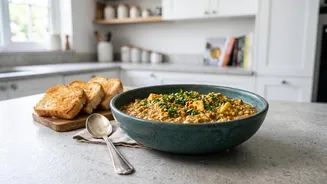
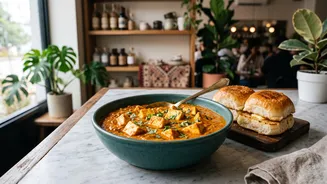
Paneer Ghotala is traditionally served hot, right off the tawa. The perfect companion is pav, the soft Indian bread roll. For the complete street-food experience, toast the pav with a generous amount of butter and a pinch of the same masala used in the ghotala. Serve the ghotala in a bowl or on a plate, topped with an extra dollop of butter, some grated cheese, and a sprinkle of fresh coriander. A side of thinly sliced raw onions and a wedge of lemon completes the meal, providing a fresh, sharp contrast to the rich, spicy gravy.