



The 'what's for dinner?' question hits differently after a long day at work. For busy couples, it can feel like a daily hurdle. But what if a few hours on the weekend could solve this, offering a week of delicious, home-cooked peace?
More Than Just Leftovers
First, let's clarify
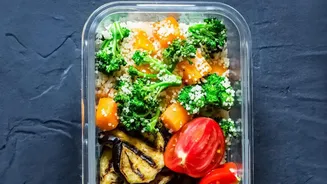
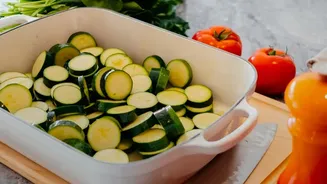
what batch cooking is. It’s not simply making extra dinner to have for lunch the next day. Batch cooking is the intentional process of preparing multiple meals or meal components in one dedicated session. Think of it as creating your own personal 'ready-to-eat' section in the fridge. This could mean making a large pot of a single dish, like dal makhani, to portion out for several days. Alternatively, and perhaps more flexibly, it could mean prepping individual ingredients—like cooked grains, roasted vegetables, grilled paneer or chicken, and a versatile curry base—that can be mixed and matched into different meals throughout the week. This approach provides variety and avoids the monotony of eating the exact same meal repeatedly.
Reclaim Your Weeknights Together
The primary benefit for working couples is the gift of time. By investing a few hours on a Sunday, you eliminate daily cooking, cleaning, and decision-making from your weeknights. This frees up precious evening hours to connect, relax, or pursue hobbies rather than negotiating over dinner plans. The 'decision fatigue' of figuring out what to eat every night is a real source of stress, and batch cooking removes it entirely. Furthermore, it’s a powerful tool for healthier eating. With nutritious, home-cooked meals readily available, the temptation to order expensive and often unhealthy takeaway diminishes significantly. It also leads to better portion control and less food waste, as you plan and buy only what you need.
Your Weekend Action Plan
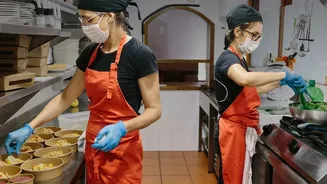
Getting started is simpler than it sounds. Turn it into a collaborative weekend activity. First, plan your menu for the week. What do you want to eat? What components can be used in multiple ways? Second, create a focused grocery list based on that plan. This streamlined shopping trip saves both time and money. Finally, block out two to three hours for your cooking session. Put on some music, divide tasks, and get prepping. One person can handle chopping vegetables while the other manages the cooking. Working together makes the process faster and more enjoyable. The key is to start small; even prepping just two or three components for the week ahead can make a huge difference.
The Smart Indian Kitchen Approach
Indian cuisine is exceptionally well-suited for batch cooking. Hearty dals and curries like rajma and chana masala often taste even better the next day as the flavours meld. One of the most effective strategies is to prepare a large batch of a generic onion-tomato masala base. This single paste can be frozen in portions and become the starting point for numerous dishes during the week—just add vegetables, lentils, or protein for a quick meal. Similarly, semi-dry sabzis like aloo gobhi, cooked grains like rice or quinoa, and flatbreads like theplas or parathas all freeze and reheat beautifully. Stack parathas with parchment paper in between before freezing for easy separation.
Store It Right, Enjoy It All Week
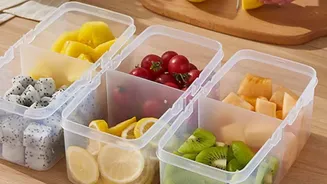
Proper storage is crucial to ensure your food stays fresh and safe. Invest in a good set of airtight containers, preferably glass, as they don't stain and are great for reheating. Always allow food to cool down before refrigerating or freezing to prevent bacteria growth and freezer burn. Divide large quantities into smaller, portion-sized containers. This not only helps with portion control but also allows food to cool and reheat more quickly and evenly. Label everything with the name of the dish and the date it was made. Most cooked meals will last 3–4 days in the fridge, while many Indian dishes can be frozen for up to three months.