






The Shift to Functional Fitness
The trend gaining serious momentum among those new to exercise is functional fitness. [11] This isn't about isolating muscles with complicated machines or striving for a specific aesthetic. Instead, functional fitness focuses on training your body for the activities
you perform in daily life. [15] Think about movements like squatting to pick something up, lifting a heavy box onto a shelf, or twisting to grab something from the back seat of a car. [2, 11] These workouts are built around compound exercises that engage multiple muscle groups and joints at once, preparing your body to work as a cohesive system. [15, 18] By simulating common movements, this approach helps make daily tasks feel easier and builds a strong, resilient foundation from the start. [18, 20]
Why It's a Beginner's Best Friend
The popularity of functional training with beginners comes down to a few key advantages. First, it's incredibly accessible. Many foundational exercises use your own bodyweight, meaning you don't need a gym membership or expensive equipment to start. [8, 3] Second, it has a lower risk of injury compared to more intensive programs. [15, 21] By focusing on proper movement patterns and building stability, you strengthen not just muscles but also the connective tissues around your joints. [17, 21] This emphasis on form over weight helps prevent common strains and sprains. [21] Finally, it delivers a huge psychological win. Mastering movements that directly improve your quality of life—like carrying groceries with ease or playing with your kids without getting winded—provides tangible, motivating results that encourage consistency. [17, 20]
The Core Movement Patterns
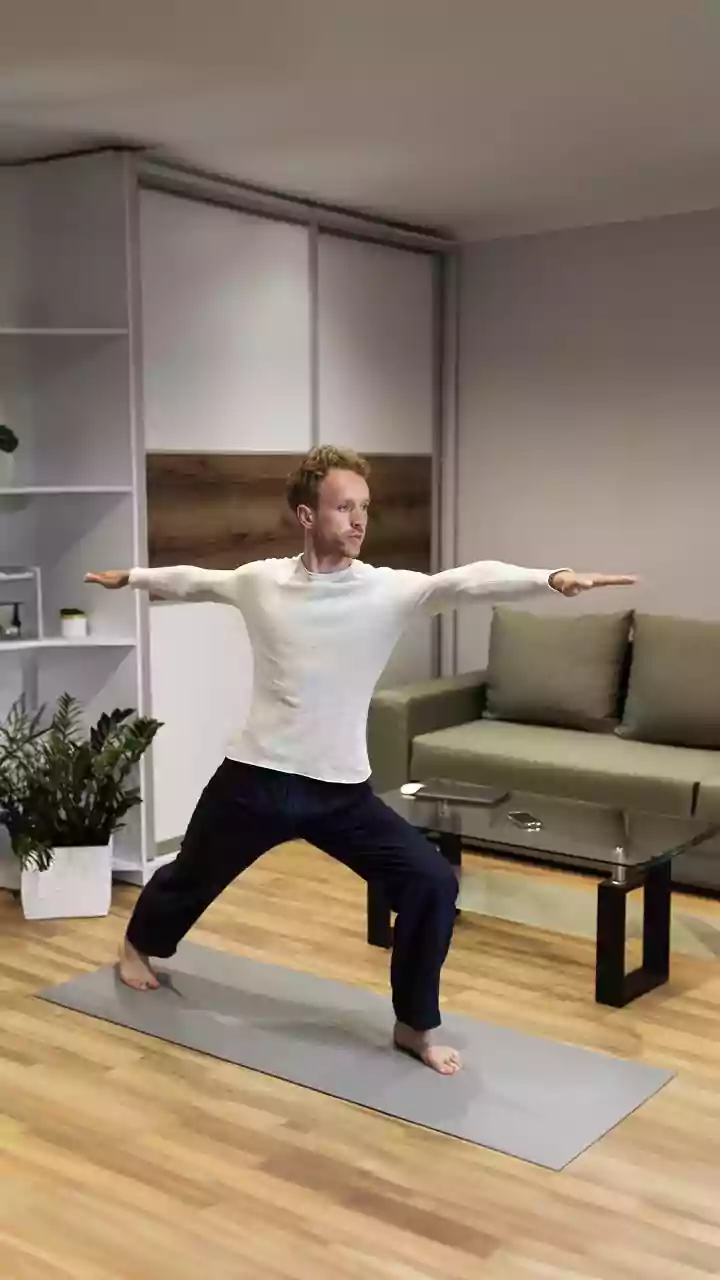
Functional fitness is built upon fundamental human movements. A balanced beginner routine will typically include variations of the following: * **Squatting:** This is essential for lower body strength, targeting your quads, glutes, and hamstrings. Start with bodyweight squats, focusing on keeping your chest up and lowering as if sitting in a chair. [3, 8] * **Pushing:** Movements like push-ups build upper body and core strength. If a full push-up is too difficult, you can start with wall push-ups or incline push-ups on a sturdy table. [1, 3] * **Pulling:** Exercises like rows are crucial for back and bicep strength, which helps improve posture. A simple doorway row or using a resistance band can be a great starting point. [1] * **Lunging:** Lunges improve balance, coordination, and single-leg strength. Start with reverse lunges, which are often easier on the knees. [1, 3] * **Core Stabilization:** Moves like the plank and glute bridge are vital for protecting your spine and building a stable core. [3, 6] These exercises train the deep abdominal muscles that support almost every move you make. [3]
A Sample Beginner Functional Workout
Ready to give it a try? Here is a simple, full-body routine you can do at home 2-3 times per week, with at least one day of rest in between strength sessions. [1] **Warm-up (5 minutes):** Start with light movements like marching in place, arm circles, and leg swings to get your blood flowing. [1, 13] **Main Circuit (Complete 2-3 rounds):** * **Bodyweight Squats:** 10-15 repetitions [6] * **Incline Push-ups:** 8-12 repetitions (using a wall or sturdy furniture) [1] * **Reverse Lunges:** 8-10 repetitions per leg [1] * **Glute Bridges:** 12-15 repetitions [6] * **Plank:** Hold for 20-30 seconds [6] Rest for 60-90 seconds between each round. **Cool-down (5 minutes):** Finish with gentle stretches, holding each for 20-30 seconds. Focus on your hamstrings, quads, chest, and back. [6]