




The Packer’s Purposeful Mix
It may seem like a quality control issue, but packaging fruit at varying stages of ripeness is often an intentional strategy. Producers and supermarkets know that most pre-packaged fruit, like berries, stone fruit, and kiwis, travels long distances. To
prevent the entire container from becoming overripe and spoiled by the time it reaches your kitchen, they include a mix. Some pieces are ready to eat immediately, while others are intended to ripen over the next few days. This approach extends the shelf life of the product, reduces food waste for the retailer, and, in theory, gives you a steady supply of fresh fruit. It's a method that balances the realities of a long supply chain with consumer demand for ready-to-eat produce.
Your Pre-Purchase Inspection
You aren't powerless in the produce aisle. A few simple checks can help you choose a better package, whether you’re looking for fruit to eat tonight or later in the week. First, turn the package over. Look at the bottom—this is often where crushed, leaking, or even moldy fruit can hide. For clamshells of berries, check for any moisture or juice stains on the absorbent pad at the bottom, which signals that some fruit is already past its prime. Next, gently tilt the container from side to side. Do the fruits move freely? If they are stuck together in a clump, it could indicate mold or mushiness you can't see. Finally, trust your nose. Many ripe fruits, like peaches and pineapples, will emit a sweet, fragrant aroma, even through the packaging. If you detect a fermented or vinegary smell, it's a clear sign the fruit is overripe.
A Quick Guide to Common Fruits
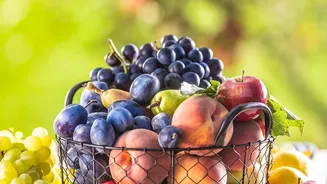
Different fruits have different tells. Here’s how to assess some of the most common packaged varieties: Berries (Strawberries, Blueberries, Raspberries): Look for vibrant, uniform color and a plump appearance. For strawberries, check under the green caps; any whiteness or green means they were picked too early and won't ripen further. With blueberries, a silvery-white bloom is a sign of freshness, not a problem. Avoid packages with wrinkled or leaking berries. Grapes and Cherries: The stems are your best clue. They should be green and flexible, not brown and brittle. The fruits themselves should be plump, firm, and securely attached to the stems. For grapes, green varieties are sweeter with a slight amber blush, while darker varieties should be deep in color without any green tinges. * Stone Fruits (Peaches, Plums, Nectarines): These fruits continue to ripen after being picked. If you need them ripe now, look for fruit that gives slightly to gentle pressure and has a sweet smell. If you want them for later in the week, firmer fruit is a better choice. You can let them soften at room temperature at home.
Turn Mixed Ripeness Into a Strategy
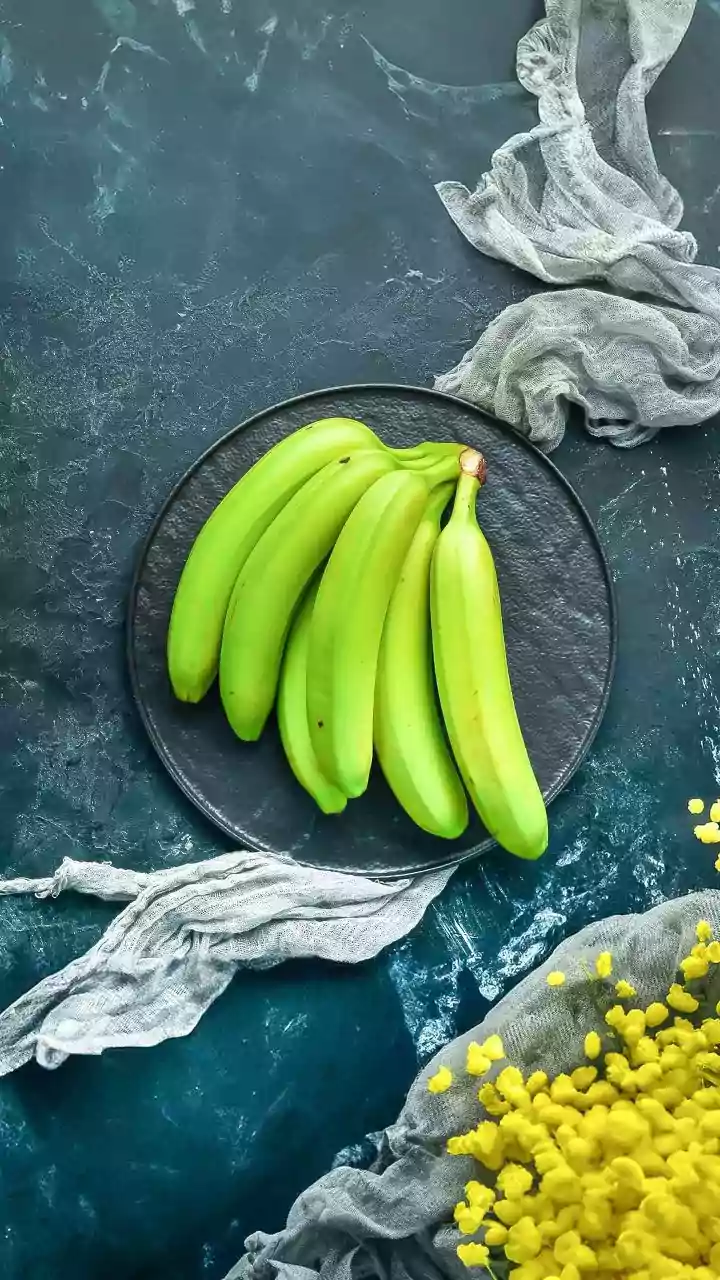
Instead of viewing a mixed-ripeness package as a flaw, think of it as a feature. You now have fruit for both now and later. Separate the contents when you get home. The perfectly ripe fruit can be enjoyed immediately. The slightly underripe items can be left on the counter to reach their peak in a day or two. To speed up this process, you can place underripe fruit in a paper bag; adding an apple or banana to the bag will accelerate ripening even more due to the ethylene gas they release. The pieces that are a bit too soft or bruised aren't a lost cause, either. These are perfect candidates for smoothies, jams, sauces, or baking. Overripe fruits are often sweeter, making them ideal for recipes like banana bread, fruit cobblers, or a compote to top yogurt or ice cream. By sorting your fruit and using each piece at its ideal stage, you minimize waste and get the most value from your purchase.