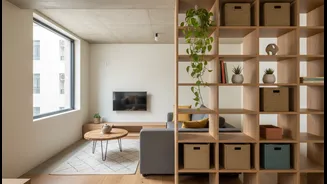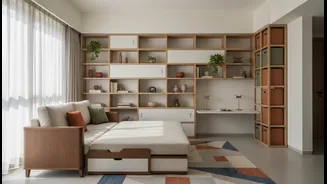




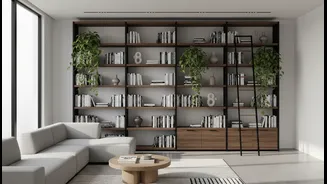


The Backlash Against the 'Instagram' Flat
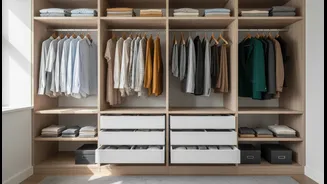
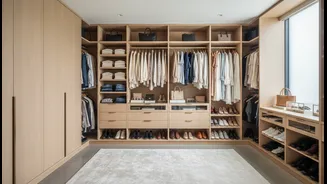
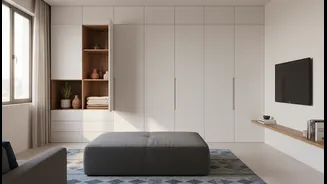
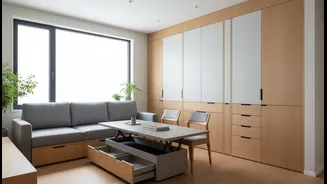
The minimalist aesthetic, heavily influenced by Scandinavian and Japanese design, once promised a clean, uncluttered life. It was aspirational, suggesting control and sophistication. For renters, it was also practical; a less-is-more approach made sense
for temporary spaces. But for many, the reality of living in a pristine, white-walled box felt less like a serene escape and more like residing in a showroom. The pressure to maintain a perfect, impersonal space has led to a fatigue. The result is a growing movement away from what some now call “algorithm homes” — spaces that look beautiful in photos but lack a personal soul.
A Shift Towards Warmth and Texture
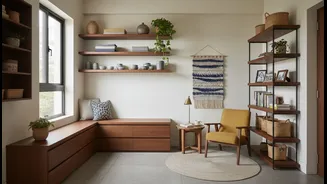
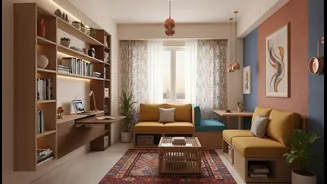
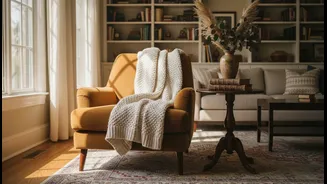
So, what is replacing the cold, hard lines of pure minimalism? The new buzzwords are comfort, texture, and warmth. Think “warm minimalism,” a softer, more livable version that prioritizes feeling over form. This translates to earthy colour palettes — terracotta, olive green, and warm beiges — that feel more grounding in the context of Indian light. It's about layering “touch-me” textures: handwoven jute rugs, bouclé fabrics, ribbed glass, and handmade pottery. Furniture is also changing, with sharp, geometric shapes giving way to softer, curved silhouettes that feel more welcoming and organic. The goal is no longer a home that looks untouched, but one that invites you to live in it fully.
The Rise of the Personal Museum
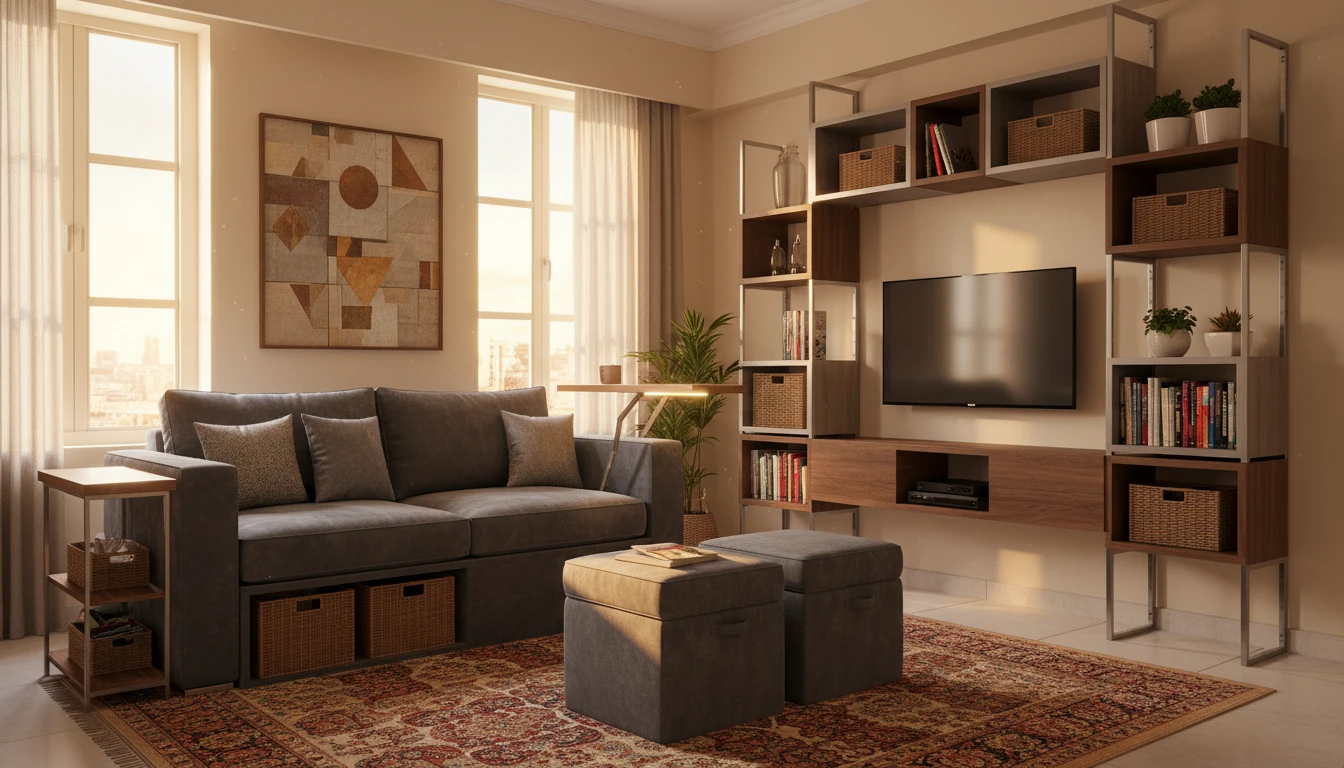
Perhaps the most significant part of this trend is the embrace of “memory.” Renters are increasingly choosing to display their lives, personalities, and histories. This is not about clutter, but conscious curation. Open shelves now feature books, travel souvenirs, and inherited trinkets, turning storage into self-expression. A framed piece of a mother’s old sari, a child's first drawing, or a collection of brass vessels from a local market now take pride of place over mass-produced wall art. This approach celebrates authenticity and storytelling, creating spaces that feel unique and deeply personal. It marks a shift in values from how a home looks to how it makes you feel.
An Indian Take on a Global Trend
While this move toward more personal and layered interiors is a global phenomenon, it has a distinctly Indian character here. There is a renewed appreciation for local craftsmanship and heritage. Handcrafted items like Dhokra sculptures, Madhubani art, and hand-loomed textiles are being integrated into modern rental apartments, not as museum pieces, but as living parts of the decor. This revival, sometimes called 'Granny Chic 2.0', is not about recreating a grandparent's home but about thoughtfully selecting traditional elements that add soul and story to a contemporary space. It’s a way of connecting with cultural roots while still living a modern, urban life.
Why Now? Comfort in an Uncertain World
The timing of this aesthetic shift is no coincidence. The post-pandemic world has fundamentally changed our relationship with our homes. After spending unprecedented amounts of time indoors, people crave sanctuary, not just style. The home had to become an office, school, and refuge, forcing a re-evaluation of what truly matters in a living space. This has accelerated a desire for environments that are emotionally comforting and reflect our identities. For renters, who often face restrictions on permanent changes, this new focus on personal, movable, and meaningful objects offers a powerful way to make a temporary space feel like a true home.