



The Sonoran Desert, Arizona
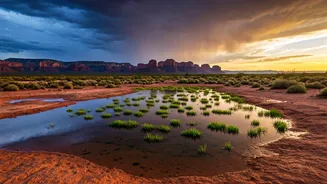
Mentioning the desert and a monsoon in the same breath might seem strange, but from July to September, the Arizona desert undergoes a breathtaking metamorphosis. The North American Monsoon brings dramatic, fast-moving thunderstorms that wash the arid
landscape clean. The defining scent is petrichor—the earthy smell of rain hitting dry soil—mixed with the sharp, clean aroma of creosote bushes. Cacti bloom with unexpected vigor, dry riverbeds known as arroyos roar to life for a few fleeting hours, and the sunsets that follow the storms are legendary, painting the sky in fiery shades of orange, purple, and pink. It’s a time of renewal and intense beauty, offering a side of the American Southwest that few travelers ever get to see.
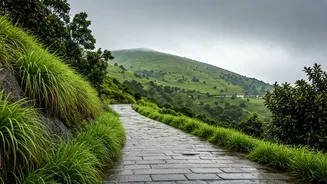
Kerala, India
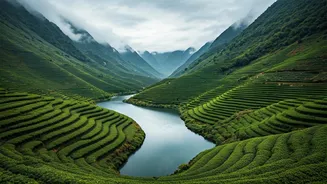
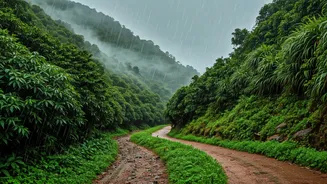
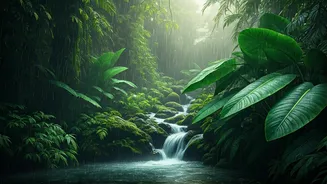
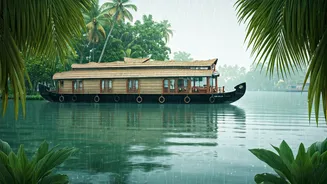
Often called “God’s Own Country,” Kerala is arguably the global poster child for monsoon travel. From June to September, the rains sweep in from the Arabian Sea, turning the entire state into a saturated, emerald-green paradise. This is when the famous backwaters are at their most atmospheric, with misty mornings on the houseboats and the rhythmic drumming of rain on the roof. It’s also the best time for Ayurveda, an ancient system of medicine. Local wisdom holds that the cool, moist air helps the body become more receptive to treatments. Waterfalls are at their most thunderous, the spice plantations are fragrant and dripping with life, and the landscape feels both peaceful and intensely alive.
Luang Prabang, Laos
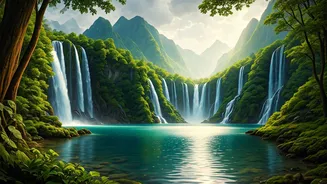
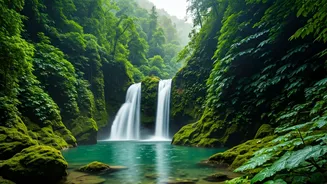
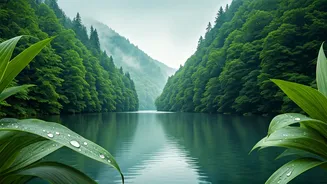
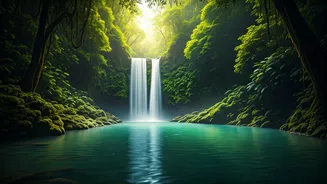
While many avoid Southeast Asia during its “green season,” savvy travelers know this is when its magic truly unfolds. In Luang Prabang, a UNESCO World Heritage city, the monsoon (roughly May to October) brings a welcome respite from the oppressive heat. The surrounding mountains become impossibly lush, the Mekong River swells with powerful energy, and the crowds thin out considerably. The highlight is Kuang Si Falls, which transforms from a gentle cascade into a roaring, multi-tiered spectacle. Mornings are often clear, perfect for watching the traditional alms-giving ceremony, while afternoons are for cozying up in a French-colonial café, sipping coffee, and watching a refreshing tropical downpour.
The Scottish Highlands, Scotland
Scotland doesn’t have a “monsoon” in the traditional sense, but its moody, rainy weather is the very essence of its romantic appeal. A trip to the Highlands in the autumn (September to November) means embracing the mist, the dramatic grey skies, and the soul-stirring landscapes. This isn’t about avoiding the rain; it’s about putting on a good waterproof jacket and hiking through glens shrouded in fog, where the silence is broken only by the cry of a bird or the rush of a stream. The brooding atmosphere makes the sight of a lonely castle like Eilean Donan even more evocative. The experience culminates in the evening, when you can retreat to a cozy pub, sit by a crackling fire, and warm up with a dram of local whisky. This is Scottish hygge, and it’s best served with a bit of drizzle.
Udaipur, Rajasthan, India
While most of Rajasthan is a desert state, the city of Udaipur is transformed by the monsoon into a veritable oasis. Known as the “City of Lakes,” Udaipur’s interconnected water bodies fill to the brim between July and September, reflecting the ornate palaces and temples that line their shores. The parched Aravalli Hills that surround the city turn a velvety green, a stark and beautiful contrast to their usual brown. The air is cooler, the light is softer, and the experience is far more serene than during the peak tourist season. Taking a boat ride on a swollen Lake Pichola, with the majestic City Palace and Jag Mandir seeming to float on the water, is an unforgettable experience made possible only by the rejuvenating rains.