




From Monsoon Blues to Green Thumbs
The monsoon season is often seen as a time of indoor confinement, but it's actually nature’s prime time for growth. The cool, humid air and soft, filtered sunlight create a perfect nursery-like environment for many plants. For us, tending to a small patch
of green can be incredibly therapeutic. The act of nurturing a plant from seed to harvest provides a sense of purpose and a tangible result for your efforts. It’s a gentle, mindful activity that can pull you away from screens and connect you to the simple, grounding rhythm of nature. Instead of just watching the rain, you become an active participant in the season's cycle of renewal, turning potential gloom into vibrant, living colour.
Your Monsoon Starter Pack
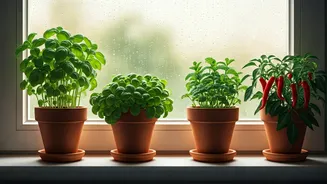
You don't need a sprawling lawn to start. A few pots on a balcony, a sunny windowsill, or even a vertical wall planter can become a thriving garden. First, choose your containers. Terracotta pots are excellent as they are porous and prevent waterlogging, a common monsoon menace. Ensure every pot has drainage holes. Next, the soil. A good potting mix combines regular garden soil, cocopeat (for moisture retention), and compost or vermicompost (for nutrients). This blend ensures your plants get the air, water, and food they need to flourish. Finally, select your seeds. Opt for high-quality seeds from a local nursery that are suited to our climate. That's it—you're ready to get your hands dirty.
What to Plant Right Now
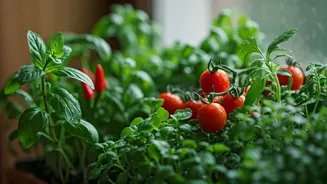
The monsoon is ideal for a variety of leafy greens, vegetables, and herbs that love moisture. Here are a few easy wins for beginners: * **Spinach (Palak):** This leafy green thrives in the cooler, moist conditions of the monsoon. You can harvest leaves multiple times from the same plant, giving you a continuous supply for your dals and sabzis. * **Coriander (Dhania):** No Indian kitchen is complete without it. Coriander grows quickly in the monsoon and you can start harvesting within a few weeks. The fresh, pungent aroma from your own garden is unbeatable. * **Okra (Bhindi):** A staple in Indian cuisine, bhindi plants love the rainy season. They are relatively low-maintenance and will reward you with a steady crop. * **Chillies (Mirchi):** A few chilli plants can provide you with enough spice for your entire household. They grow well in pots and add a splash of vibrant red and green to your garden. * **Mint (Pudina):** Incredibly easy to grow, mint just needs a bit of space to spread. It's perfect for chutneys, teas, and garnishes. You can even grow it from a stem cutting from the bunch you bought at the market.
The Monsoon Care Guide
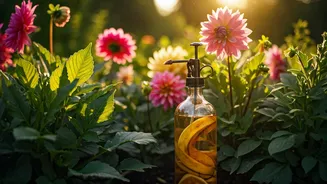
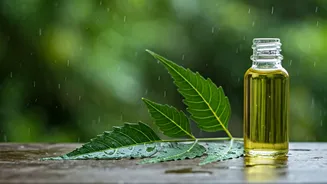
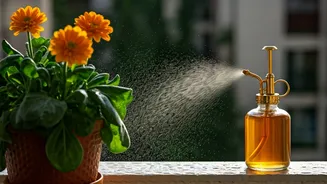
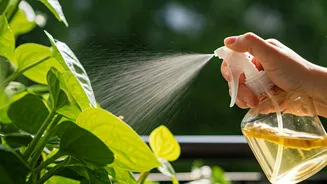
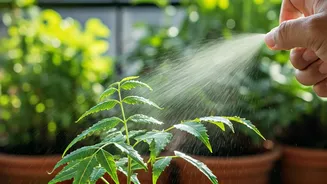
Gardening during the monsoon comes with its own set of rules. The biggest challenge is overwatering. While the rains are frequent, you might not need to water your plants daily. Check the soil first; if the top inch feels dry, then it's time to water. Good drainage is non-negotiable to prevent root rot. Also, pests and fungal diseases can be more common in the damp weather. Keep a close eye on your plants. A simple, organic spray made of neem oil, water, and a drop of liquid soap can help keep most common pests at bay. Finally, even on cloudy days, plants need light. Ensure your pots are in a location that receives at least 4-5 hours of daylight, even if it’s indirect.
More Than Just Vegetables
The reward of a kitchen garden extends far beyond the plate. It’s the quiet satisfaction of seeing a seed sprout. It's the joy of snipping off fresh herbs for your morning chai. It’s the pride in cooking a meal with ingredients you grew yourself, free from pesticides and full of flavour. This small act of cultivation fosters a deeper appreciation for your food and the environment. It teaches patience, offers a daily dose of mindfulness, and quite literally, brings life into your home. It transforms a passive season into one of active, joyful creation.