





An Ancient Tradition, Rediscovered
Before it was a viral sensation on social media, rice water was a cherished beauty staple in many parts of Asia. For centuries, women in China, Japan, and Southeast Asia have used the starchy water left over from rinsing rice to wash their hair and face.
Most famously, the Yao women of China’s Huangluo village are renowned for their exceptionally long, strong, and healthy hair, which they attribute to a daily routine of cleansing with fermented rice water. This historical context isn't just a charming story; it's a testament to a tradition rooted in using simple, natural ingredients for tangible results. Now, a new generation is rediscovering this practice, drawn to its affordability, simplicity, and connection to time-tested wisdom.
The Benefits for Your Hair
So, what's all the fuss about? For hair, the benefits are primarily linked to the nutrients that seep from the rice into the water. Rice water is rich in amino acids, which are the building blocks of protein and help fortify the hair shaft. It also contains inositol, a carbohydrate that has been shown to penetrate damaged hair and repair it from the inside out. Users often report that regular use as a rinse makes their hair feel stronger, smoother, and look shinier. Some also claim it helps with detangling and even promotes hair growth by improving scalp health. While large-scale scientific studies are limited, the anecdotal evidence, combined with its nutritional profile, makes a compelling case for it as a nourishing hair treatment.
More Than Just a Hair Rinse
The benefits of rice water aren’t limited to your locks. It's also gaining popularity as a gentle and effective skincare ingredient. Its purported benefits for skin include soothing irritation and inflammation, making it a calming choice for those with sensitive skin or conditions like eczema. The starches in rice water are thought to help strengthen the skin’s natural barrier, improving its ability to retain moisture. Some people use it as a facial toner, claiming it helps tighten pores and brighten their complexion over time. The antioxidants present, such as ferulic acid, can help protect the skin from environmental damage. As with any new skincare product, it's wise to perform a patch test on a small area of skin first to check for any adverse reactions.
How to Make Your Own Rice Water
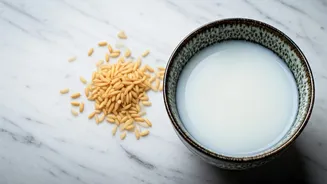
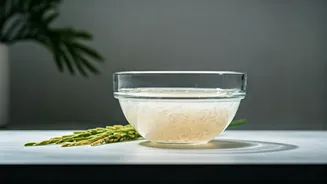
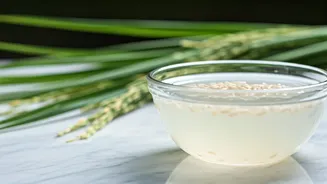
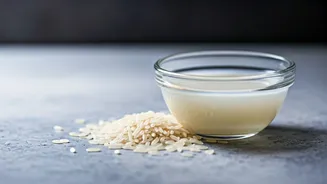
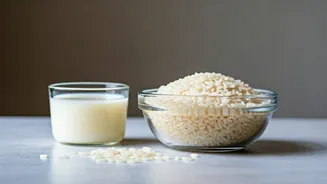
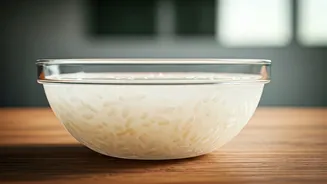
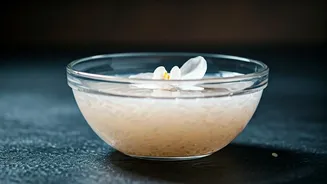
Making your own rice water at home is incredibly simple and cost-effective. There are two popular methods: 1. **The Soaking Method:** This is the quickest way. Take half a cup of uncooked rice (any kind will do, but many prefer organic white or brown rice) and rinse it once to remove any impurities. Then, place the rinsed rice in a bowl with two to three cups of water. Let it soak for at least 30 minutes, or up to a few hours. Gently swirl it around until the water turns cloudy. Strain the rice, and your rice water is ready to use. 2. **The Fermented Method:** This method is believed to be more potent, as fermentation can enhance the concentration of antioxidants. Prepare the rice water as you would for the soaking method. Then, instead of using it right away, leave it in a jar at room temperature for 12 to 48 hours. Once it starts to smell slightly sour, the fermentation is complete. You can then transfer it to the refrigerator to stop the process and store it for up to a week.
Integrating It Into Your Routine
Using rice water is just as easy as making it. For a hair rinse, first shampoo and condition your hair as usual. Then, pour the rice water over your hair, making sure to massage it into your scalp and strands. Leave it on for 15 to 20 minutes before rinsing thoroughly with cool water. You can do this once or twice a week. For skincare, you can use it as a facial cleanser or toner. Dip a cotton pad into the rice water and gently sweep it over your clean face, or pour it into a spray bottle and mist it on. Let it air dry. Because homemade rice water has no preservatives, it’s crucial to store it in an airtight container in the refrigerator and discard it after a week to prevent bacterial growth.