



A Perfect Pair: Earthy and Tangy
Cumin, or 'jeera', is celebrated for its distinctly earthy, warm, and slightly peppery flavour. It provides a grounding, aromatic base in many Indian dishes. Tamarind, on the other hand, delivers a complex sourness that is both fruity and tangy. When
used together, they create a beautiful balance. The bright acidity of tamarind cuts through richness and lifts the deeper, more robust notes of cumin. This interplay prevents dishes from tasting flat; the cumin provides depth while the tamarind ensures a zesty, mouth-watering finish. This combination is particularly prominent in South Indian cooking, but its influence can be found across the country.
The Art of Cumin Tempering
Tempering, known as 'tadka' or 'chaunk', is a foundational technique in Indian cooking where whole spices are briefly fried in hot oil or ghee. This process, also called blooming, unlocks the fat-soluble compounds within the spices, releasing their essential oils and infusing the entire dish with a profound aroma and flavour. Cumin seeds are one of the most common spices used for tempering. The key is to heat the oil until it shimmers, then add the cumin seeds. They should sizzle immediately, and within seconds, they will darken slightly and release a wonderfully nutty, toasted fragrance. Be careful not to burn them, as scorched cumin tastes harsh and bitter. This fragrant oil is then poured over a dal, soup, or vegetable dish as a final flourish.
Recipe Idea: Classic Tamarind Rasam
Rasam is a classic South Indian soup that perfectly showcases the harmony of tamarind and cumin. The base of the soup is a thin broth made from tamarind water, which gives it its signature sour taste. While recipes vary, many are finished with a 'tadka'. To make a simple version, prepare your tamarind broth with tomatoes and spices. In a small pan, heat ghee or oil and add mustard seeds. Once they pop, add a teaspoon of cumin seeds, a dried red chilli, and a sprig of curry leaves. Let the cumin sizzle until fragrant, then pour this entire tempering mixture into the hot rasam. The sound and aroma are sensational, and it adds a final layer of complexity that elevates the simple soup.
Recipe Idea: Tangy Chana Masala
While many chana masala (chickpea curry) recipes rely on tomatoes and dried mango powder ('amchur') for acidity, using tamarind paste offers a deeper, fruitier tang. Prepare your chickpea curry as you normally would, with a base of onions, ginger, garlic, and tomatoes. About 15-20 minutes before it’s finished cooking, stir in a tablespoon of tamarind paste dissolved in a little water. Let it simmer and meld with the other spices. For the finishing touch, prepare a simple cumin tempering by sizzling cumin seeds in hot oil. Pour this over the curry just before serving to add a fresh, smoky aroma that complements the tangy chickpeas beautifully.
Recipe Idea: Flavourful Vegetable Sambar
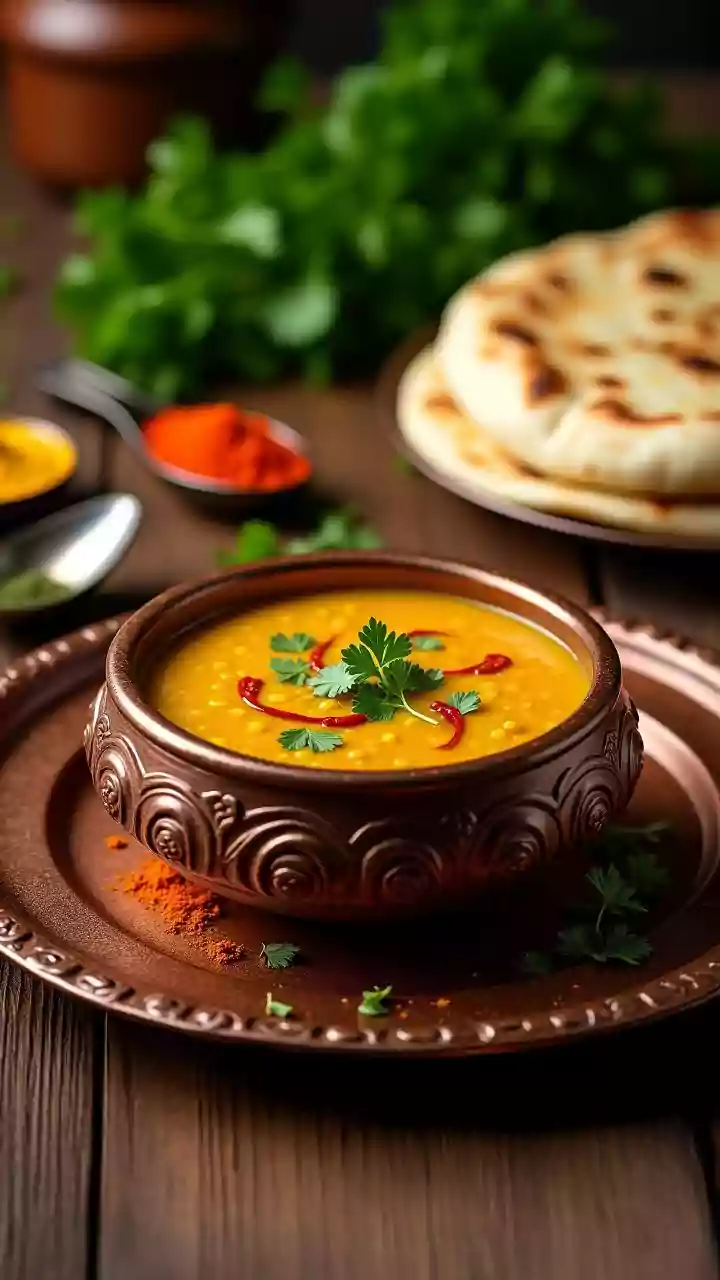
Sambar, a hearty lentil and vegetable stew, is another South Indian staple that relies on both tamarind and a final tempering. The body of the sambar is made from cooked toor dal (split pigeon peas), a mix of vegetables like drumstick and pumpkin, and a sour broth made from tamarind water. Sambar powder, a complex spice blend that often includes coriander and cumin, is also added. The magic happens at the end. A tempering of mustard seeds, curry leaves, and sometimes a pinch of cumin or fenugreek seeds is heated in oil or ghee and poured over the finished stew. This final step awakens all the flavours, adding a fragrant top note that makes the dish irresistible.
Recipe Idea: Zesty Tamarind Rice
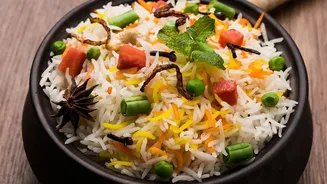
Tamarind rice, known as 'Puliyogare' in Karnataka or 'Pulihora' in Andhra Pradesh, is a flavour-packed rice dish perfect for lunchboxes and travel. The concept involves mixing cooled, cooked rice with a thick, spiced tamarind paste. To make the paste, tamarind pulp is cooked down with jaggery, salt, and spices. A separate tempering is also made, often with oil, mustard seeds, lentils (for crunch), peanuts, and curry leaves. While spice powders used in the dish often contain cumin, you can enhance its presence by adding whole cumin seeds to your tempering along with the mustard seeds, allowing their nutty aroma to infuse the oil before it is mixed into the rice.