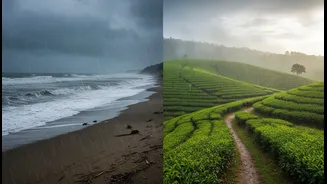



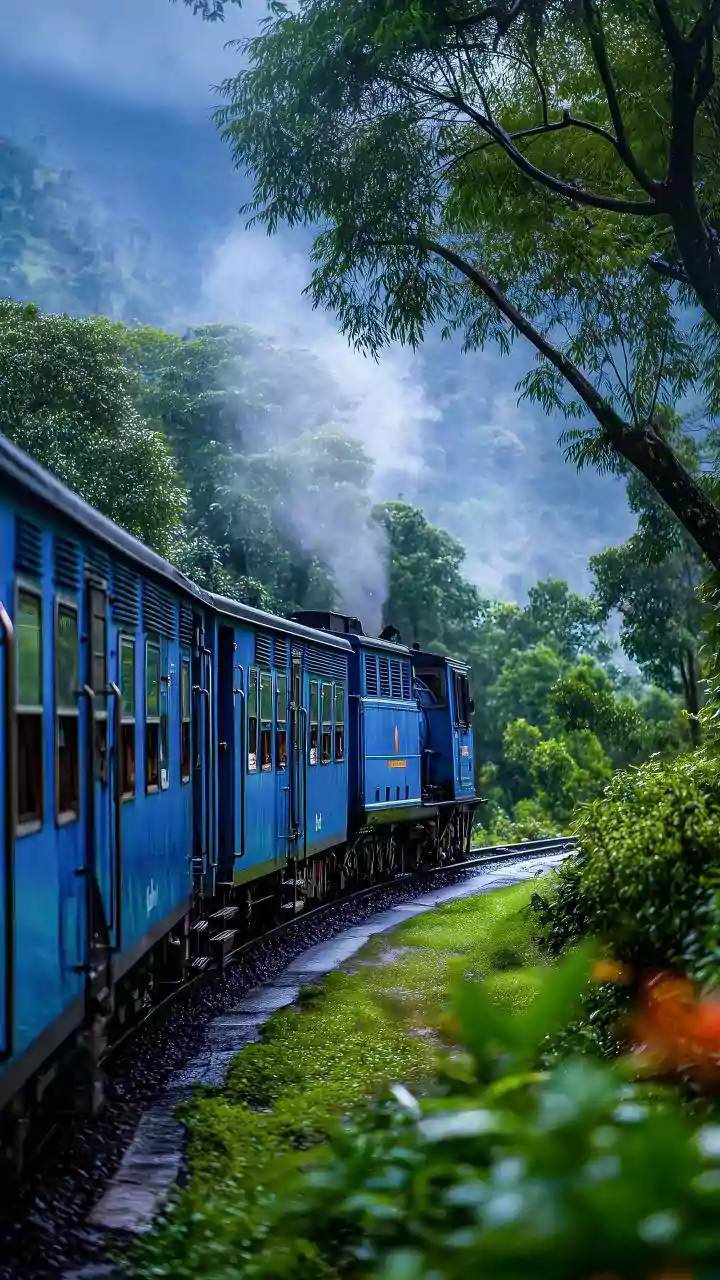



Embrace the Rhythm of the Rains
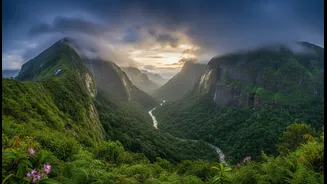
Stretching over 1,600 kilometres from Gujarat to Tamil Nadu, the Western Ghats are not a monolithic destination; they are a complex system of mountains, forests, and plateaus with diverse microclimates. The range acts as a massive climatic wall, trapping
the monsoon clouds that sweep in from the Arabian Sea. This means the weather can be intensely local and change in an instant. A sunny morning can turn into a torrential downpour by the afternoon. This volatility is why a fixed itinerary focused on ticking off sights is a recipe for disappointment. Instead, a flexible approach allows you to adapt, whether that means enjoying the downpour from a dry homestay or seizing a clear afternoon for a trek. The region is prone to landslides and flash floods during heavy rains, making it essential to prioritise safety over a packed schedule.
The Monsoon Window (June – September)
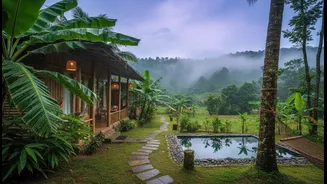
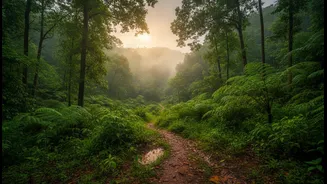
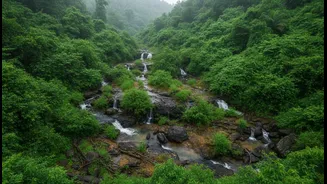
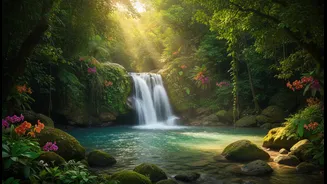
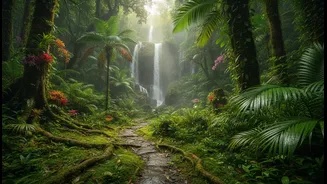
This is when the Ghats are reborn. The landscape transforms into a riot of electric greens, waterfalls thunder down hillsides, and the air smells of wet earth. This season is for travellers who want to witness nature at its most dramatic and intense. It's the perfect time for chasing waterfalls like Jog Falls or Abbey Falls—though access may be restricted during peak downpours for safety. The monsoon also awakens unique ecological phenomena, with travellers now seeking out firefly festivals in Maharashtra or guided 'frog walks' in Agumbe and Wayanad to spot endemic amphibians. However, this window comes with challenges: heavy rain can make travel difficult, leeches are common on trails, and many trekking routes may be officially closed or require a certified guide for safety. Always check local advisories from bodies like the IMD before heading out.
The Golden Window (October – February)
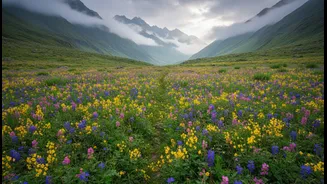
For most travellers, this is the ideal time to visit. The rains have subsided, leaving behind lush, clean landscapes and pleasant weather. Temperatures are cool and comfortable, skies are generally clear, and the forests are vibrant. This period is the undisputed king for trekking and outdoor activities. Trails that were treacherous during the monsoon, like those to Kudremukh or Kumara Parvatha, become accessible and offer stunning panoramic views. It's also a prime season for wildlife spotting in sanctuaries like Periyar or Nagarhole, as animals are more active in the cooler weather. Whether you're hiking in the Nilgiris, exploring tea estates in Munnar, or rafting in Periyar, this post-monsoon window offers the best of the Ghats with minimal weather-related disruptions.
The Summer Window (March – May)
The summer months bring heat and humidity to the lower elevations, but they offer their own unique advantages. The crowds of the peak season have thinned out, allowing for a more intimate experience with nature. While daytime temperatures can be high, it's an excellent time for wildlife sightings as animals tend to gather around the remaining water sources, making places like Kabini and Wayanad Wildlife Sanctuary rewarding destinations. Higher altitude hill stations like Ooty, Kodaikanal, and Munnar remain relatively cool, providing a welcome escape from the heat of the plains. Early mornings are perfect for birdwatching or gentle walks through coffee and spice plantations before the day's heat sets in. Some treks to peaks like Mullayanagiri can still be enjoyed during this season.
How to Build a Weather-First Itinerary
Planning a trip to the Ghats requires a shift in mindset. First, always check reliable weather forecasts and advisories from the India Meteorological Department (IMD) and state disaster management authorities. Second, build flexibility into your bookings; opt for accommodations with flexible date policies, especially during the monsoon. It's also wise to call your hotel or homestay ahead of your arrival to ask about local road and weather conditions. Instead of a rigid day-by-day plan, create a list of potential activities for different weather scenarios. Have a plan for a rainy day (like visiting a local market or a tea museum) and one for a sunny day (like a long trek). Finally, hire local guides. They possess invaluable knowledge of the terrain, can navigate changing conditions, and will lead you to safer, more authentic experiences.