





Berries: The Brain and Body Protectors
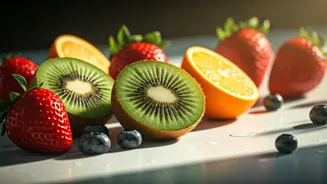
It’s no surprise that blueberries, strawberries, raspberries, and blackberries consistently top nutritionists’ lists. They are packed with fiber, vitamins, and, most notably, powerful antioxidants called anthocyanins. These are the compounds that give
berries their rich red, blue, and purple hues. Research suggests these antioxidants play a crucial role in fighting oxidative stress, a process linked to aging and chronic diseases. More specifically, studies have connected regular berry consumption to improved cognitive function and memory, essentially helping to protect your brain over the long term. Their high fiber and water content also help you feel full and support a healthy digestive system, making them an easy and delicious choice for snacks or adding to yogurt and oatmeal.
Avocado: The Healthy Fat Hero
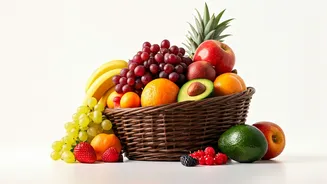
Yes, it’s a fruit! And it’s one of the few that’s prized for its fat content. Avocados are a fantastic source of monounsaturated fats, the same heart-healthy type found in olive oil. This type of fat helps lower bad (LDL) cholesterol levels while maintaining good (HDL) cholesterol. Beyond heart health, the combination of fat and fiber in avocados makes them incredibly satiating. Adding a quarter or half an avocado to a meal can help you feel fuller for longer, potentially reducing the urge to snack between meals. They are also a surprisingly good source of potassium, a mineral crucial for regulating blood pressure, and contain various B vitamins.
Kiwi: The Digestive Dynamo
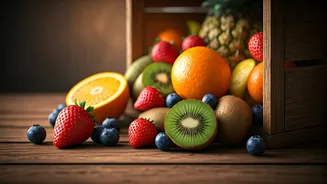
While oranges get all the credit, a single kiwi can provide more than your daily requirement of Vitamin C, a vital nutrient for immune function and skin health. But its real unique selling point is its effect on digestion. Kiwis contain a natural enzyme called actinidin, which helps break down protein and can ease feelings of bloating and discomfort after a meal. This, combined with their impressive fiber content (both soluble and insoluble), makes them a go-to recommendation for promoting regularity and supporting overall gut health. For a concentrated dose of fiber, you can even eat the fuzzy skin—just be sure to wash it well first.
Tart Cherries: The Recovery Fruit
If you lead an active lifestyle, tart cherries might be your new best friend. Unlike their sweeter cousins, tart cherries (often consumed as juice or in dried form) are loaded with anti-inflammatory compounds. Numerous studies have shown that consuming tart cherry juice can significantly reduce muscle soreness and strength loss after strenuous exercise, like running a marathon or lifting weights. This anti-inflammatory power isn't just for athletes; it may also help manage symptoms associated with arthritis and gout. Furthermore, tart cherries are a natural source of melatonin, the hormone that regulates our sleep-wake cycles, making a small glass of tart cherry juice a potential aid for a better night's sleep.
Pomegranate: The Cellular Guardian
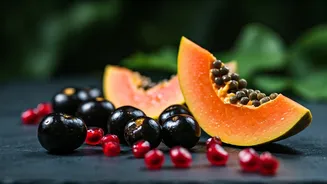
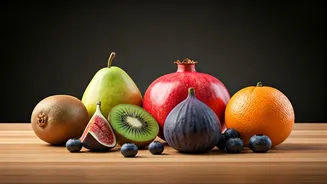
The jewel-like seeds of a pomegranate, called arils, are worth the effort it takes to get them. They are loaded with some of the most powerful antioxidants found in the fruit kingdom, specifically punicalagins and punicic acid. These compounds are exceptionally effective at combating inflammation and protecting the body's cells from damage. Some research points to pomegranate's potential role in supporting heart health by improving blood flow and preventing arteries from becoming stiff. The antioxidants in pomegranate juice have been shown in some studies to be even more potent than those in red wine or green tea, making it a stellar choice for a concentrated health boost.
Citrus Fruits: The Immunity Staples
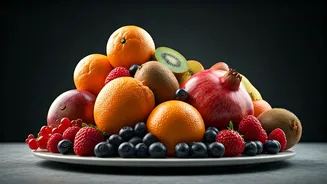
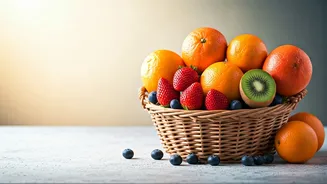
Oranges, grapefruits, lemons, and limes are classic for a reason. They are the undisputed champions of Vitamin C, a cornerstone of a healthy immune system that helps stimulate the production of white blood cells. But their benefits don't stop there. Citrus fruits are also rich in flavonoids, plant compounds that have antioxidant and anti-inflammatory effects, working alongside Vitamin C to support overall health. Their high water content helps with hydration, while the soluble fiber and pectin can aid in lowering cholesterol. A simple squeeze of lemon in your water or a grapefruit for breakfast is an easy way to reap these foundational benefits.