




The Denim Dilemma
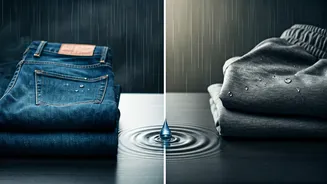
Let’s be honest: jeans are a fashion staple for a reason. They are versatile, durable, and offer a structured silhouette that works for countless occasions. However, the monsoon is where this trusty friend can let you down. Denim is typically made from
heavy cotton, a fabric known for its high absorbency. When you get caught in a downpour, your jeans act like a sponge, soaking up a surprising amount of water. This makes them incredibly heavy, clingy, and uncomfortable. Worse still, in the high humidity of the Indian rainy season, wet denim can take hours, sometimes even days, to dry completely. This not only disrupts your daily routine but can also lead to that dreaded damp smell and potential skin irritation from prolonged contact with wet fabric.
The Jogger Advantage
Enter the jogger. Once relegated to gyms and lazy Sundays, joggers have cemented their place in mainstream fashion. Their biggest advantage during the monsoon lies in their fabric. Most joggers are made from cotton blends, French terry, or synthetic materials like polyester. These fabrics are significantly more suited for wet weather. Synthetic blends, in particular, are water-resistant and quick-drying. If you do get splashed or caught in a light shower, the fabric won't absorb as much water as denim, and it will dry much faster once you're indoors. The fit is another bonus. The relaxed silhouette and elasticated waistband offer superior comfort and mobility, preventing the restrictive, cold feeling of soaked jeans.
The Style Equation
The main argument for choosing jeans over joggers has always been style. Jeans can be dressed up or down effortlessly, while joggers have a reputation for being overly casual. However, this is no longer the case. Modern joggers come in a variety of fits, from slim and tapered to more structured designs that can look surprisingly polished. To elevate your joggers, pair them with a crisp t-shirt and a smart denim or faux leather jacket. For a more put-together look suitable for a casual workplace or a brunch outing, try pairing structured joggers with a blazer and clean, white sneakers or even loafers. The key is to balance the casual nature of the joggers with more intentional pieces on top. A monochrome look—pairing joggers with a top of the same colour—can also create a chic, streamlined appearance.
The Verdict: Function Over Form
When it comes to the rainy season, practicality has to take precedence. For days with a high chance of rain, joggers are the clear winner. Their quick-drying fabrics, lightweight nature, and overall comfort make them the superior choice for navigating damp, humid conditions. You’ll stay more comfortable, dry faster, and avoid the miserable experience of trudging around in heavy, wet denim. While jeans might be acceptable for a quick dash from your car to the office under a large umbrella, for any day involving walking or unpredictable weather, joggers provide peace of mind without a major style sacrifice.
Beyond the Basics: Other Monsoon-Proof Options
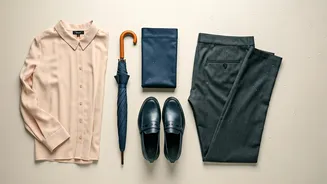
The choice isn't just between jeans and joggers. Consider expanding your monsoon wardrobe with other smart options. Trousers made from polyester blends or rayon offer a formal alternative that is also quick to dry and resists wrinkles in humidity. Cropped trousers or culottes are another fantastic choice, as their shorter length keeps your hems safe from puddles and mud splashes. For those who enjoy trekking or an active lifestyle, technical pants made from nylon blends offer excellent water resistance and breathability. The guiding principle for any monsoon bottom wear is the fabric: prioritise lightweight, breathable, and quick-drying materials to stay comfortable and stylish all season long.