







Turmeric (Haldi): The Golden Protector
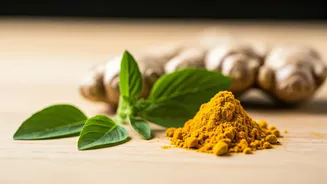
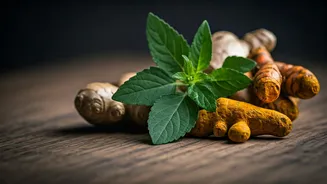
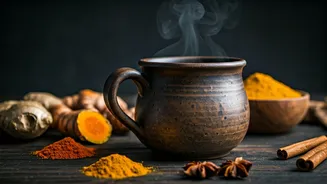
This vibrant yellow spice is the undisputed king of kitchen remedies. Turmeric’s power comes from curcumin, a compound with potent anti-inflammatory and antioxidant properties. During the monsoon, when humidity can lead to infections and joint aches,
a daily dose of turmeric can be your first line of defence. It helps modulate the immune system, preparing your body to fight off the common cold and flu viruses that thrive in this season. The easiest way to consume it is by adding a pinch to a glass of warm milk for a comforting 'haldi doodh' before bed. This not only soothes a sore throat but also promotes restful sleep, which is crucial for a strong immune system.
Ginger (Adrak): The Soothing Root
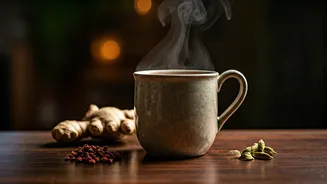
Is there anything more comforting than a hot cup of 'adrak wali chai' on a rainy day? Beyond its invigorating flavour, ginger is a digestive powerhouse. The monsoon season often brings a slowdown in our digestive system, leading to indigestion and bloating. Ginger stimulates digestive enzymes, helping your gut process food more efficiently. Its active ingredient, gingerol, has strong anti-inflammatory and antimicrobial effects. This makes it excellent for combating sore throats, coughs, and nausea. Finely grated ginger can be added to your tea, soups, or dals. You can also chew on a small, fresh piece with a bit of salt before meals to kickstart your digestion.
Cloves (Laung): The Antiseptic Bud
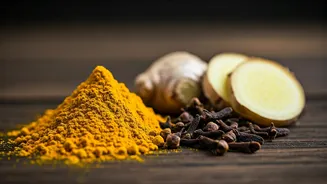
These small, dark buds pack a mighty punch. Cloves are famously rich in antioxidants and are known for their powerful antiseptic and analgesic (pain-relieving) properties. Traditionally, they have been used for centuries to relieve toothaches and dental issues. In the monsoon, their antimicrobial qualities make them a great addition to your diet to ward off bacterial and fungal infections. The compound eugenol is responsible for many of these benefits. Chewing on a single clove can help freshen your breath and soothe an irritated throat. You can also add one or two cloves to your tea or while cooking rice to infuse your food with its protective properties.
Black Pepper (Kali Mirch): The Bio-enhancer
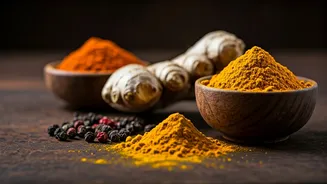
Black pepper is more than just a seasoning; it's a catalyst that makes other nutrients more effective. Its key component, piperine, is famous for its ability to enhance the absorption of curcumin from turmeric by up to 2000%. This is why 'haldi' is so often paired with 'kali mirch' in traditional remedies. Black pepper itself has expectorant properties, which means it helps clear congestion and loosen phlegm in your respiratory tract – a common complaint during the damp monsoon months. It also stimulates the digestive system. A simple sprinkle on your soup, salad, or even a glass of buttermilk can make a significant difference to both flavour and health.
Cinnamon (Dalchini): The Warming Regulator
The sweet, woody aroma of cinnamon is instantly warming, making it a perfect spice for the cool, damp monsoon weather. Cinnamon is celebrated for its ability to help regulate blood sugar levels, which can prevent energy slumps. Its antimicrobial and anti-inflammatory properties are also beneficial for keeping seasonal illnesses at bay. It helps fight infections and can provide relief from cold symptoms. Add a small stick of cinnamon to your morning tea or coffee, or sprinkle some powder over your oatmeal or fruit. It not only adds a delicious complexity but also provides a gentle, warming effect that feels incredibly comforting on a gloomy day.
Putting It All Together
The magic of these spices is often amplified when they are used together. A simple 'kadha' or herbal decoction is a classic monsoon wellness ritual. To make one, simmer a small piece of ginger, a few black peppercorns, a couple of cloves, a small stick of cinnamon, and a few tulsi leaves in water for 10-15 minutes. Strain the liquid, add a pinch of turmeric, and a teaspoon of honey if you wish. Sipping this warm concoction once a day can be a simple yet powerful way to boost your immunity, soothe your throat, and keep your digestive system happy throughout the season. It’s a testament to the wisdom that a healthy life often begins with the simple ingredients found in our own homes.