




Give Your Berries a Vinegar Bath
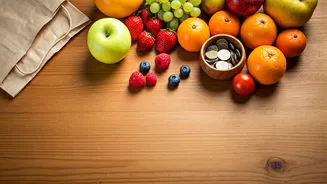
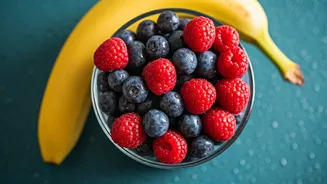
We've all seen it: a perfect carton of strawberries or blueberries grows a fuzzy white coat in what feels like minutes. The enemy is microscopic mold spores, which thrive in moisture. The solution is a quick, pre-storage bath. Mix one part white vinegar
with three to four parts cool water in a large bowl. Submerge your berries and gently swish them around for about a minute. The vinegar’s acidity kills bacteria and mold spores on the surface without affecting the taste. Afterwards, drain the berries and—this is crucial—dry them completely. Lay them in a single layer on a clean towel or paper towels until no moisture remains. Store them in a breathable container in the fridge, and you’ll easily get several extra days of freshness.
Separate the Ethylene Producers
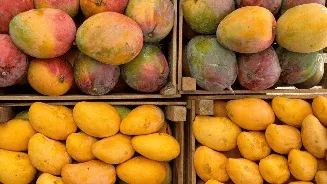
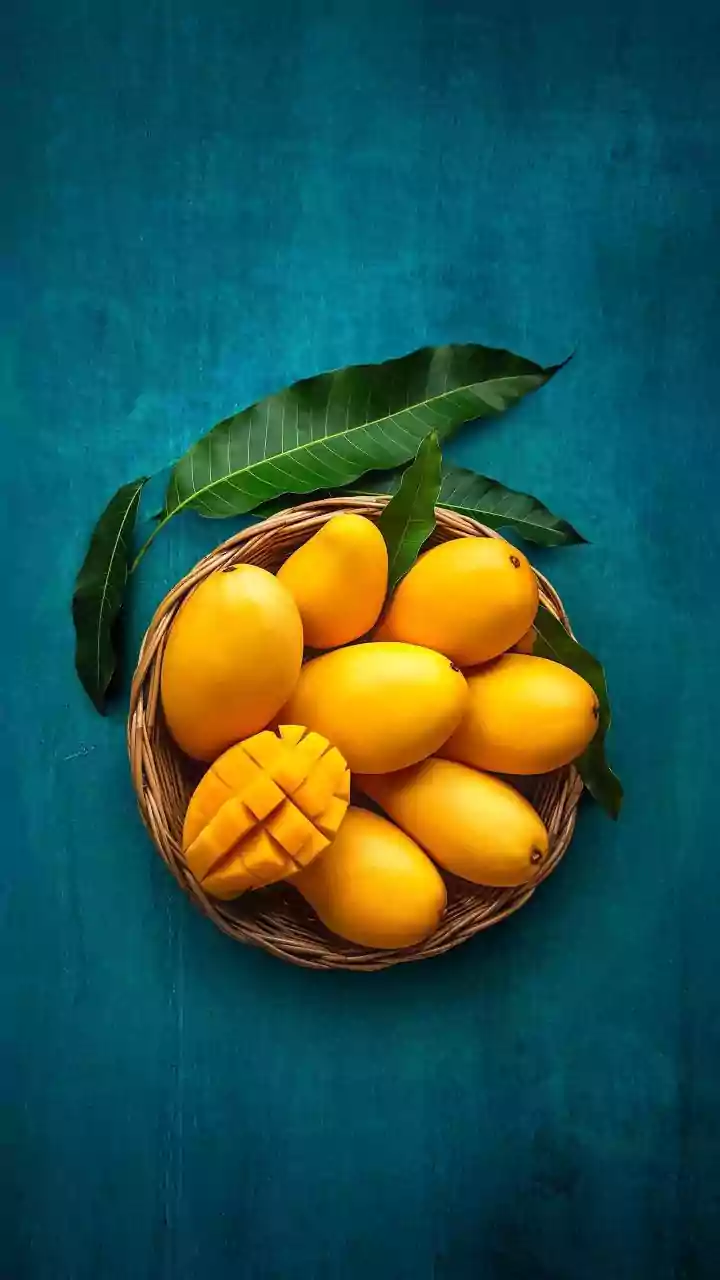
Some fruits are gassier than others. Bananas, apples, cantaloupes, and peaches are all-star producers of ethylene, a natural gas that acts as a ripening hormone. When you store these next to ethylene-sensitive fruits like strawberries, kiwis, or mangoes, you're essentially putting them in a hyper-aging chamber. To prevent this chain reaction, keep your ethylene-producing powerhouses separate. Give them their own bowl on the counter or a dedicated drawer in the fridge. For bananas, you can take it a step further by wrapping the stems of the bunch (or individual bananas) in plastic wrap. This slows the release of ethylene from the stem, giving you more time before they become a smoothie-only situation.
Master the Ripen-Then-Chill Method
Stone fruits like peaches, plums, and nectarines, along with avocados, often come home from the store feeling hard as a rock. They need time on the counter to soften and develop their flavor. But in a hot, humid kitchen, the window between perfectly ripe and sadly mushy is incredibly narrow. The key is to manage the process. Let these fruits ripen on the counter, checking them daily. If you want to speed things up, place them in a paper bag, which traps some of that ripening ethylene gas. Once they yield to gentle pressure and smell fragrant, your work is done. Move them immediately into the refrigerator. The cold temperature will dramatically slow the ripening process, buying you several more days to enjoy them at their peak.
Win the War on Fruit Flies
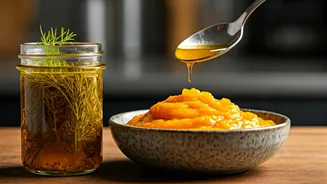
High humidity is an open invitation for fruit flies. To protect your produce, you need a simple, effective trap. Forget chasing them with a swatter. Instead, pour about an inch of apple cider vinegar into a small jar or bowl. Add a single drop of dish soap and stir gently. The sweet, fermented scent of the vinegar is irresistible to fruit flies, luring them in. The dish soap is the secret weapon: it breaks the surface tension of the liquid, so when the flies land for a drink, they sink and can't escape. Place this trap near your fruit bowl (but not right in it) for a low-effort, highly effective defense system.
Keep Cut Fruit Looking Fresh
When you slice an apple, pear, or avocado, you expose its flesh to oxygen, triggering an enzymatic reaction called oxidation—the process that causes browning. While it’s not harmful, it’s certainly unappetizing. To prevent this, you need an antioxidant. The easiest one to find is in your kitchen: citrus juice. A spritz of lemon, lime, or even orange juice will do the trick. The ascorbic acid (Vitamin C) in the juice acts as a barrier, significantly slowing down the browning process. For fruit salads, toss the cut fruit gently with a tablespoon or two of juice. For apple slices or half an avocado, simply brush the juice over the exposed surfaces before storing them in an airtight container in the fridge.