


First, What Is Japandi?
Imagine the love child of a cozy Danish cabin and a tranquil Kyoto temple. That’s Japandi. The name itself is a portmanteau of 'Japanese' and 'Scandinavian,' and the aesthetic is a masterful blend of both worlds. From Scandinavia, it borrows 'hygge'—that
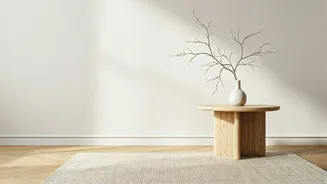
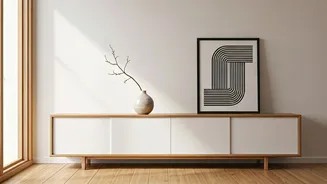
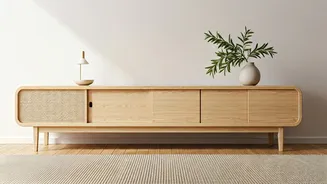
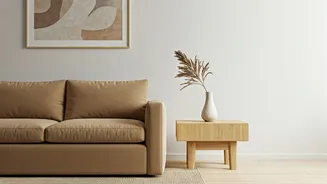
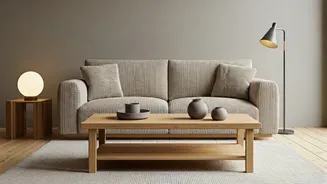
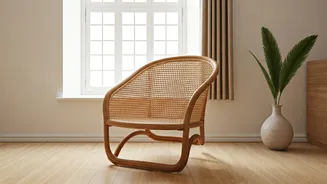
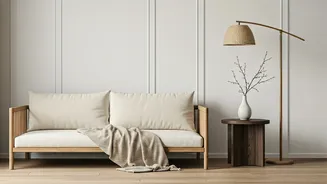
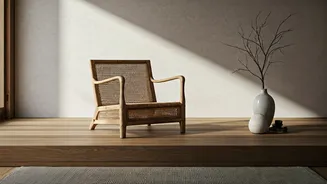
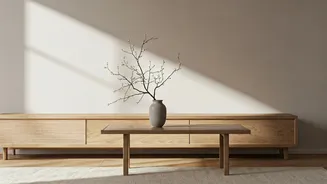
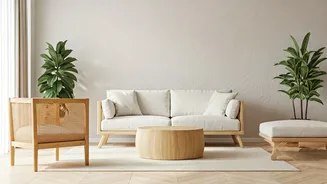
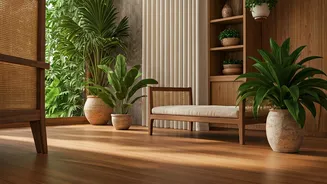
feeling of cozy contentment, warmth, and well-being. This translates into soft textiles, comfortable furniture, and a focus on creating a livable, inviting space. From Japan, it takes the principle of 'wabi-sabi,' which finds beauty in imperfection, simplicity, and natural materials. Think clean lines, uncluttered surfaces, and a deep respect for craftsmanship and nature. The result is a design philosophy that’s minimalist but not cold, functional but not sterile. It prioritizes neutral color palettes (think beige, cream, taupe, and charcoal), natural wood, bamboo, and stone, and a profound sense of order. It's the ultimate 'less is more' approach, but with a soul.
The Viral Makeover Format
The trend isn’t just about the aesthetic; it’s about the delivery. Across Instagram Reels and YouTube Shorts, creators are packaging the Japandi ethos into highly addictive, 30-second videos. The formula is simple and universally satisfying: a 'before' shot shows a typical, slightly messy room filled with disparate items and vibrant colors. Then, with a quick cut or a satisfying swipe, the 'after' reveals a transformed space. The clutter is gone, replaced by streamlined furniture, muted earth tones, and a single, elegant piece of decor. These videos are digital decluttering on hyper-speed. They offer viewers a hit of organizational dopamine, showing a chaotic environment being brought into a state of perfect, calming order. There’s no complex dialogue, just the visual catharsis of transformation, often set to a soothing instrumental track. This format transcends language barriers, making it perfectly suited for a global platform where visuals reign supreme.
Why India, and Why Now?
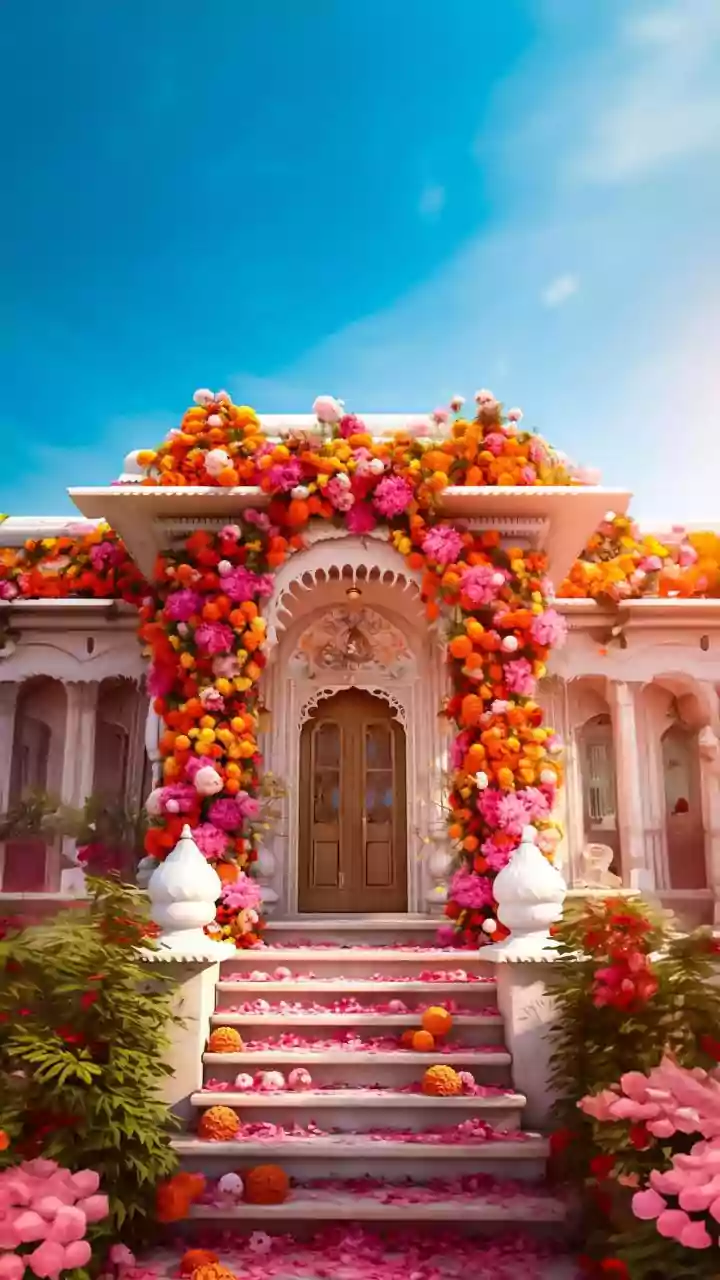
The rise of Japandi in India is particularly fascinating. Traditionally, many Indian homes embrace vibrant colors, intricate patterns, and a maximalist approach to decor that reflects rich cultural traditions. So why the sudden pivot to muted minimalism? Observers point to a confluence of factors. First, the pandemic locked people in their homes, forcing a re-evaluation of living spaces. The home became an office, school, and gym, leading to a widespread desire for calming, multi-functional environments that reduce stress, not add to it. Second, a growing, globally connected urban middle class has more disposable income and access to international trends via the internet. For this demographic, Japandi represents a modern, sophisticated, and aspirational lifestyle. It's a quiet form of luxury that feels both attainable and worldly. It signals a move away from ornamentation for its own sake toward a more intentional way of living, where every object has a purpose and brings a sense of peace.
More Than Just Beige
While it's easy to dismiss this as just another fleeting internet trend, the appeal of Japandi points to something deeper. It’s a reaction against the visual noise and consumerist pressure of modern life. In a world that feels increasingly chaotic and overwhelming, creating a personal sanctuary of calm and order is a powerful act of self-care. The philosophy isn't about getting rid of all your possessions; it’s about curating your life to include only what is beautiful, functional, or meaningful. This resonates universally, from Copenhagen to Tokyo to Mumbai. The fact that an Indian audience is embracing a Japanese-Scandinavian hybrid aesthetic seen on an American-owned social media platform is a perfect illustration of our hyper-globalized culture. Taste is no longer dictated solely by geography; it’s shaped by the algorithms that feed us a constant stream of inspiration from every corner of the planet, tapping into our shared human desire for beauty and tranquility.