

More Than a Garnish
In the Mediterranean diet, wholegrains aren't just an afterthought; they're a cornerstone. Adding grains like farro, barley, or bulgur does more than just add bulk. It introduces a delightful chewy texture and nutty flavor that complements crisp vegetables
and tangy vinaigrettes. More importantly, it boosts the nutritional profile significantly. Wholegrains are packed with fiber, protein, B vitamins, and essential minerals like magnesium and iron. This combination helps you feel full and satisfied for longer, preventing the energy crashes often associated with lighter meals. The high fiber content supports digestive health and can help maintain stable blood sugar levels. By incorporating wholegrains, a simple salad evolves into a nutritionally complete main course that provides sustained energy.
A Guide to Salad-Friendly Grains
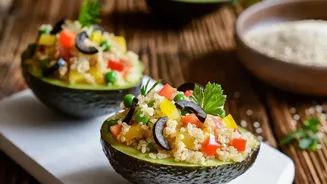
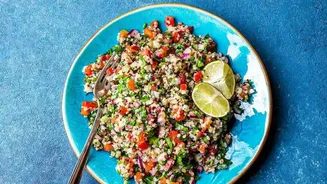
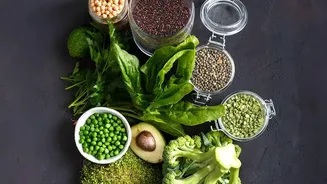
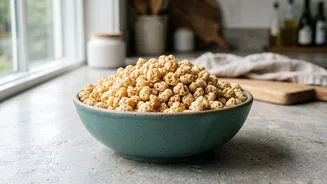
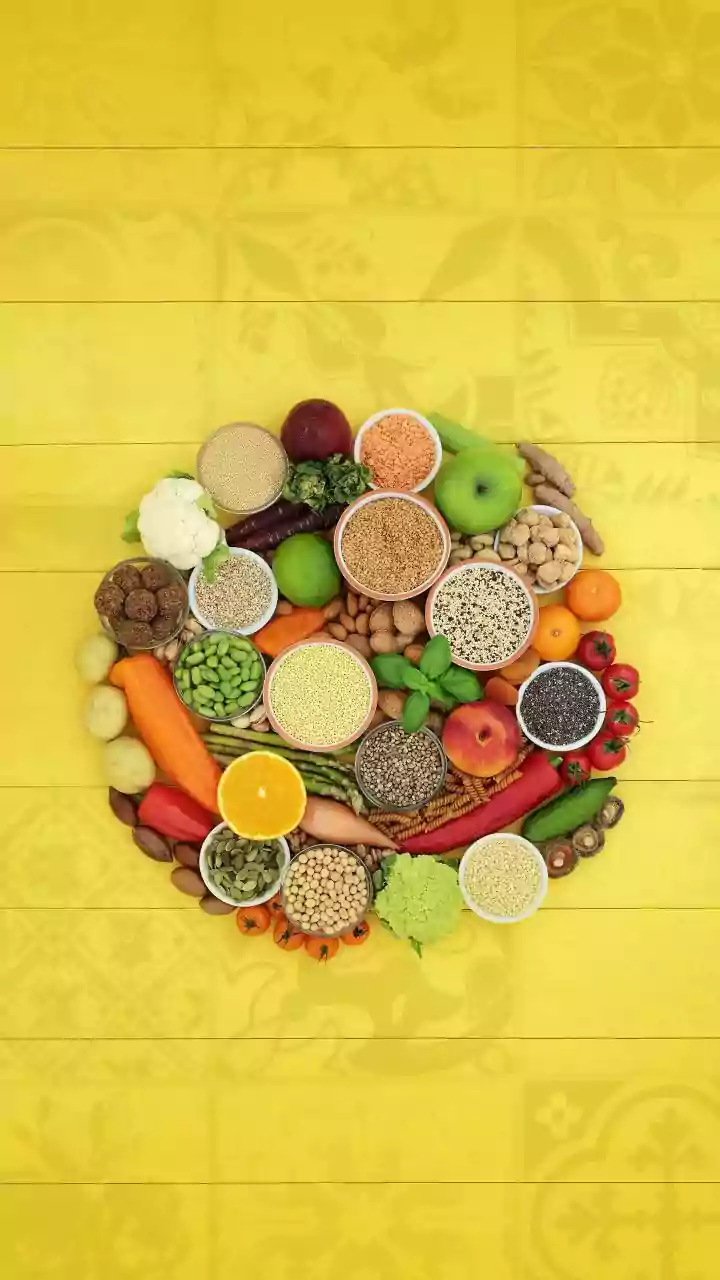
While many grains work well, a few are particularly suited for the textures and flavors of Mediterranean salads. Farro, an ancient wheat grain popular in Italy, is a standout choice. It has a firm, chewy bite and a rich, nutty flavor that holds up well, even when dressed. Make sure to look for whole or semi-pearled farro for the best nutritional benefit. Barley is another excellent option, known for being high in a specific type of soluble fiber called beta-glucan. It's pleasantly chewy and absorbs dressings beautifully. Bulgur, made from cracked and par-cooked wheat, is perhaps most famous as the base for tabbouleh. It cooks quickly and has a light, fluffy texture. Quinoa, though technically a seed from South America, has become a popular addition due to its high protein content and quick cooking time, making it a versatile modern choice.
Perfect Preparation is Key
The secret to a great grain salad is ensuring the grains have the right texture—tender but not mushy. A fool-proof method is to cook sturdy grains like farro and barley as you would pasta: in a large pot of generously salted boiling water. Cook until they are 'al dente'—fully cooked through but still with a bit of a bite. Cooking times can vary, so start tasting before the package instructions suggest you should be done. Once cooked, drain the grains thoroughly. For an even better texture, you can spread them on a baking sheet to cool and dry slightly, which prevents them from clumping. A great tip is to toss the grains with a little of your vinaigrette while they are still warm. They will absorb the flavors more deeply than when they are cold, infusing every bite with taste.
Building a Balanced Bowl
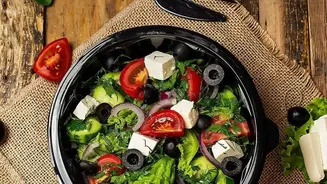
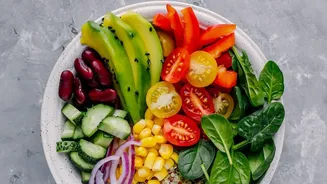
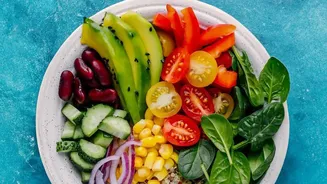
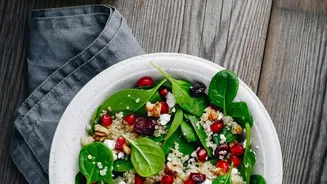
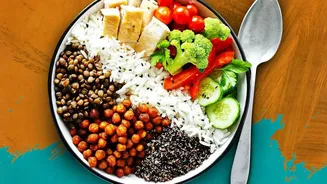
Once you have your perfectly cooked grains, it's time to build your salad. Think about balance in both flavor and texture. The chewiness of the grains pairs wonderfully with crisp cucumbers, juicy tomatoes, and sharp red onions. Soft, creamy elements like feta cheese or chickpeas provide a pleasant contrast. Toasted nuts or seeds, such as walnuts or sunflower seeds, can add a welcome crunch and healthy fats. Don't forget fresh herbs; a generous amount of parsley, mint, or dill can brighten the entire dish. For the dressing, a simple lemon-and-olive-oil vinaigrette is a classic choice that won't overpower the other ingredients. Start with a base of your chosen grain, then layer on chopped vegetables, herbs, and a protein source if you wish, before drizzling with dressing and tossing gently to combine.