





Understanding the Agony of Cramps
Sudden muscle cramps are involuntary, painful contractions that can affect any muscle, though they're most common in the legs. While the exact cause isn't always clear, several factors are known contributors, especially during exercise. The leading theories
point towards dehydration, an imbalance of essential minerals known as electrolytes, and general muscle fatigue. When you sweat, your body loses not just water but also crucial electrolytes like sodium, potassium, magnesium, and calcium. These minerals are vital for proper nerve signalling and muscle function, including the process of contraction and relaxation. When their levels get depleted, this communication system can falter, leading to those unwelcome spasms.
Coconut Water: Nature's Electrolyte Drink
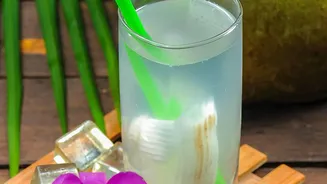
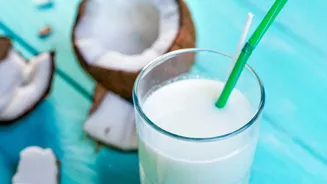
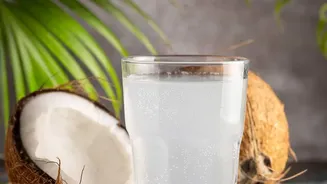
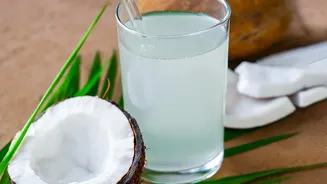
Coconut water has gained immense popularity among athletes and fitness enthusiasts, and for good reason. It's often hailed as a natural alternative to sugary sports drinks. This clear liquid is packed with electrolytes, most notably a high concentration of potassium. A single cup can contain around 600 mg of potassium, a mineral that plays a central role in muscle contractions and nerve function. Studies have shown that rehydrating with coconut water can be as effective as traditional sports drinks after moderate exercise. It also provides other important electrolytes like magnesium, calcium, and phosphorus, all of which support muscle health.
The Crucial Role of Salt
While coconut water is a potassium powerhouse, it is naturally low in one of the most important electrolytes lost through sweat: sodium. Sodium is essential for maintaining fluid balance in the body and plays a key role in transmitting nerve signals that tell your muscles to contract. During intense or prolonged exercise, especially in the heat, you lose a significant amount of sodium. Relying on coconut water alone might not be enough to replenish these losses. This is where adding a simple pinch of salt comes in. By infusing your coconut water with a small amount of sea salt, you create a more complete electrolyte profile that more closely mimics what your body loses during a tough workout.
The Science of Balanced Hydration
The combination of coconut water and salt creates a synergistic effect. You get the benefit of potassium and other minerals from the coconut water, plus the essential sodium needed for optimal fluid absorption and nerve function. This potassium-sodium balance is critical for preventing cramps. Together, they help the body regulate hydration more effectively, ensuring that water gets into your cells where it's needed most. This improved hydration and balanced mineral supply allows muscle cells to contract and relax smoothly, significantly reducing the risk of them seizing up unexpectedly. One study found that athletes who rehydrated with an electrolyte beverage similar to coconut water were less susceptible to muscle cramps compared to those who drank plain water.
Your Simple Pre-Workout Recipe
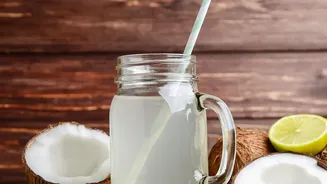
Making this cramp-fighting drink at home is incredibly easy. For a single serving, simply take about 250-300ml of pure, unsweetened coconut water and add a small pinch (about 1/8 to 1/4 of a teaspoon) of good quality sea salt. Stir it well until the salt is completely dissolved. For best results, consume this drink about 30 to 60 minutes before you begin your workout. This gives your body enough time to absorb the fluids and electrolytes, preparing your muscles for the demands of your exercise session. You can also add a squeeze of lime or lemon for a bit of extra flavour and a vitamin C boost.