





The Body's Kinetic Chain
Think of your body as a connected chain of joints, from your feet to your spine. When one link is out of position, the others must compensate. Poor posture—like slouching shoulders, a forward-leaning head, or an uneven pelvis—disrupts this chain. This
imbalance changes how your body weight is distributed, forcing the knees to absorb unnatural levels of stress. Instead of forces travelling smoothly through well-aligned bones, they are directed unevenly onto the knee joint, which can overload specific areas of cartilage and lead to inflammation and accelerated wear and tear.
Common Posture Mistakes Harming Your Knees
Many of us fall into postural habits without realizing their impact. Slouching in a chair, for instance, often causes the pelvis to tilt backward, which can tighten the hamstrings and hip flexors, destabilizing the knee. Similarly, standing with your weight shifted to one leg or with your knees locked places uneven, sustained pressure on the joint. Even modern habits, like constantly looking down at a smartphone, shift your center of gravity forward, forcing your lower body—including your knees—to work harder to keep you balanced, which can contribute to pain and strain.
Simple Alignment Checks for Daily Life
Becoming aware of your posture is the first step. When standing, imagine a straight line running from your earlobe through your shoulder, hip, knee, and ankle. Your shoulders should be back but relaxed, your core gently engaged, and your weight evenly distributed on both feet. When sitting, especially for long periods, aim to keep your feet flat on the floor with your knees bent at a 90-degree angle, ideally at or slightly below hip level. Your back should be supported by the chair to maintain its natural curve. Avoid crossing your legs for extended periods, as this can misalign your hips and affect your knees.
Strengthening Exercises for Better Support
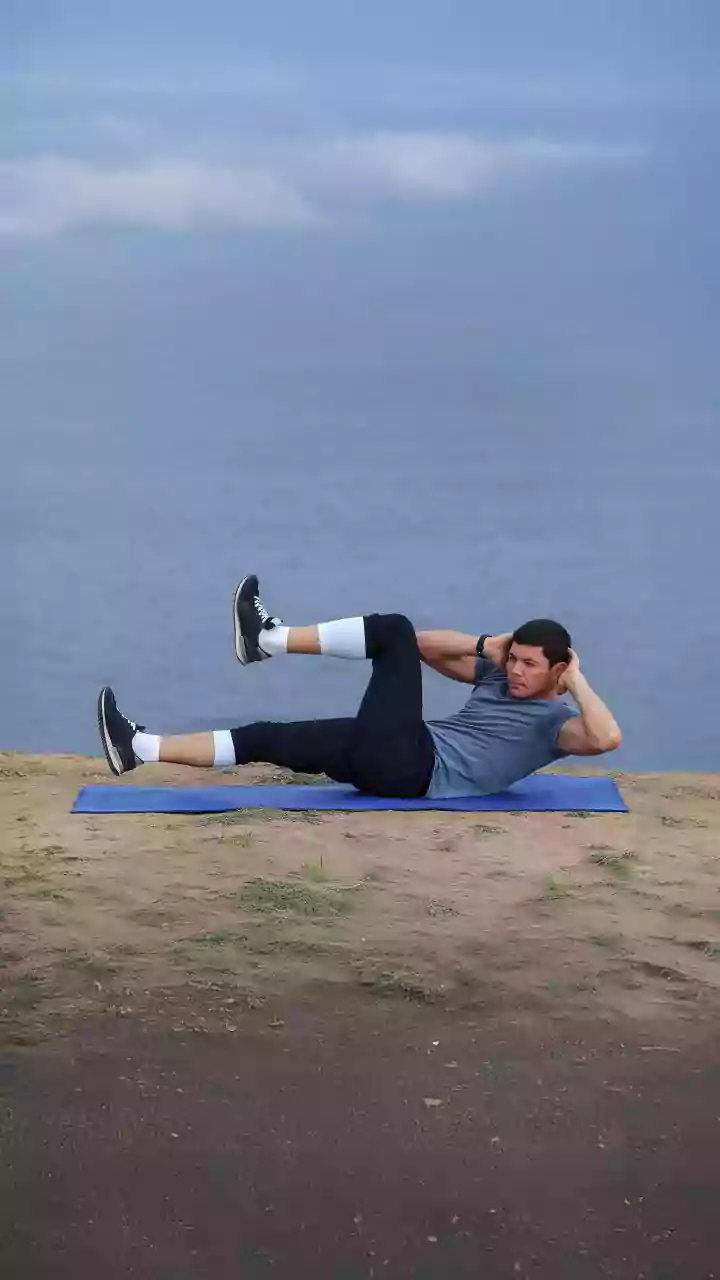
Correcting posture involves not just awareness but also strengthening the muscles that support proper alignment. Weak core muscles, for example, make it difficult to maintain a stable spine, which affects the entire kinetic chain down to the knees. Exercises like planks and bridges are excellent for core strength. Furthermore, weak glute (buttocks) muscles often lead to poor hip stability, causing the knees to collapse inward during activities like walking or climbing stairs. Simple exercises like glute bridges and side leg raises can specifically target these muscles, helping to stabilize your hips and, in turn, your knees.
Integrating Good Posture Into Your Routine
The goal is to make good posture a sustainable habit. Start by setting up your workspace ergonomically; ensure your monitor is at eye level and your chair provides good support. Take frequent breaks to move around, stretch, and reset your posture, especially if you have a sedentary job. Pay attention to your footwear, as shoes that provide good arch support can improve alignment from the ground up. When walking, focus on landing with your foot under your body rather than far out in front, keeping your head up and shoulders back. These small, conscious adjustments throughout the day collectively reduce the daily burden on your knees.