



Beyond Colour: The Power of Texture
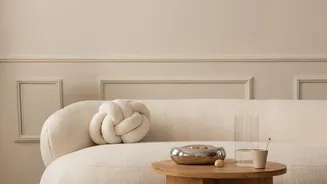
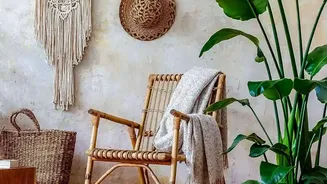
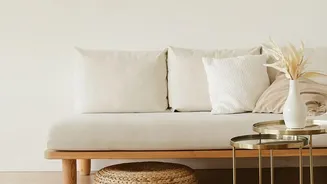
While colour is often the first thing we consider, texture is what gives a room depth, warmth, and character. A space filled with only flat, smooth surfaces can feel cold and one-dimensional. By introducing different tactile materials through cushion
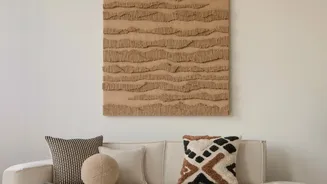
covers, you create a layered, inviting environment that feels thoughtfully curated. Think of the smooth, cool feel of cotton, the plush luxury of velvet, or the rustic earthiness of jute. Each texture tells a different story and contributes to the overall mood of your space, making it feel more dynamic and cosy.
A Guide to Popular Cushion Fabrics
Choosing the right fabric is key to achieving your desired look and feel. Cotton is a versatile, breathable, and affordable option perfect for daily use and easy to clean, making it ideal for homes with children. For a touch of instant luxury and elegance, especially during festive seasons, velvet is an excellent choice with its soft texture and subtle sheen. Linen offers a clean, minimalist, and modern appeal, known for its durability and natural, breathable quality. In cooler months, consider wool, faux fur, or chunky knits to add a layer of warmth and create a snug, welcoming retreat.
The Art of Mixing and Matching
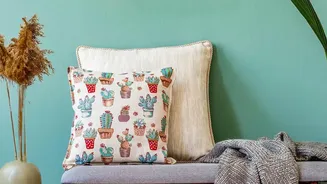
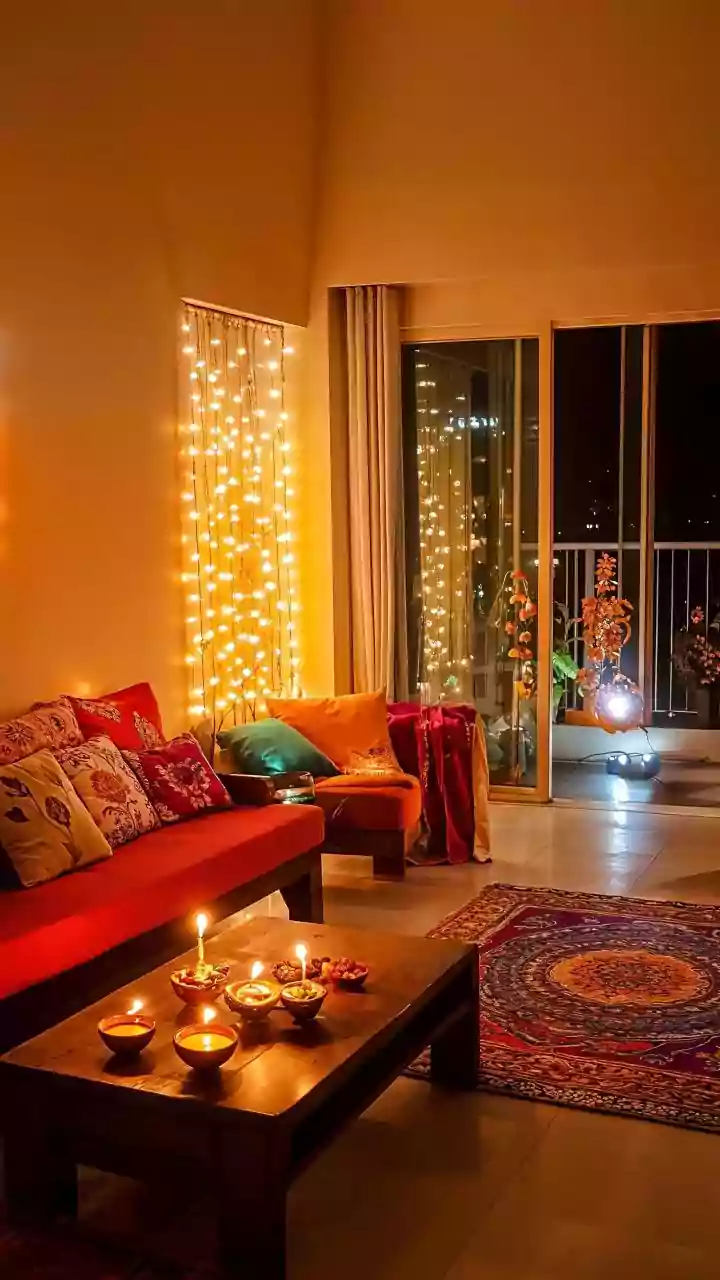
The secret to a designer-level cushion arrangement lies in the mix. Avoid a perfectly matched set, which can look dated. Instead, follow a simple formula for a balanced look. A popular rule is the 'one bold, one subtle, one solid' trio. Start with a main patterned cushion (like a large floral or geometric), add a second with a more subtle print (like a small stripe or check), and ground the arrangement with a solid, textured cushion that pulls a colour from the others. This method creates visual interest without feeling chaotic. Varying the scale of your patterns—mixing large, medium, and small prints—is another pro tip to ensure the combination looks intentional and stylish.
Arranging for Maximum Impact
How you arrange your cushions is just as important as the covers you choose. For a more natural and aesthetically pleasing look, designers often recommend using an odd number of cushions, such as three for a small sofa or five for a larger one. Start by placing the largest cushions at the back and layering the smaller or more decorative ones in front. This creates a sense of depth and allows each design to be seen. Don't be afraid to mix shapes, too; combining standard square cushions with a rectangular or round one can break up the monotony and add another layer of visual interest.
A Style for Every Season
One of the best parts about using cushion covers for decor is their flexibility. You can easily rotate them to reflect the changing seasons, keeping your home feeling fresh all year round. For spring and summer, opt for light and airy fabrics like cotton and linen in bright colours, pastels, or floral prints. As autumn arrives, switch to warmer, earthier tones like terracotta, mustard, and deep green in richer textures like velvet or wool. In winter, you can lean into plush, cosy fabrics like faux fur or heavy knits in deep shades of burgundy or navy to create a warm and inviting sanctuary from the cold.