



Demystifying 'Thermal Modulation'
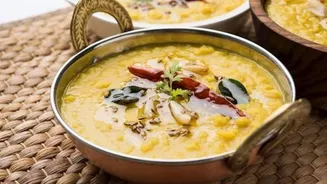
The term 'thermal modulation' sounds complex, but it describes a practice familiar to anyone who has cooked Indian food: blooming spices in hot fat. Known as tadka, chaunk, or simply tempering, this method involves briefly frying whole or ground spices in oil
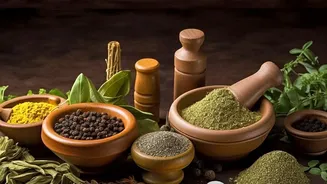
or ghee to build the foundational flavour of a dish. But the process does more than just create aroma; it initiates a series of chemical changes that transform the spices. Heat acts as a catalyst, breaking down the cell walls of spices like cumin, mustard seeds, and turmeric. This releases their essential oils, which contain the volatile aromatic compounds responsible for their distinct scents and tastes.
The Role of Fat as a Flavour Carrier
Many of the most important flavour compounds in spices—such as curcumin in turmeric, eugenol in cloves, and piperine in black pepper—are fat-soluble, not water-soluble. This means they dissolve in oil, but not in water-based liquids like broth or plain lentils. When spices are bloomed, the hot fat acts as a solvent, extracting these compounds and distributing them evenly throughout the entire dish. This is why a dal finished with a tadka has a deep, integrated flavour that simply stirring in dry spice powders cannot replicate. The fat becomes a delivery vehicle for the full aromatic profile of the spices.
Increasing Nutritional Bioavailability
Beyond flavour, tempering significantly enhances the nutritional benefits of spices. The 'healing potency' mentioned in the headline refers to the concept of bioavailability—the degree to which a substance is absorbed and used by the body. Many of the bioactive compounds in spices, lauded for their antioxidant and anti-inflammatory properties, are poorly absorbed on their own. Curcumin, the celebrated compound in turmeric, is a prime example. When consumed with fat and heat, its absorption can be substantially increased. Similarly, piperine from black pepper is known to boost the bioavailability of other nutrients. The traditional Ayurvedic practice of using a tadka was not just for taste; it was an intuitive understanding that this method made the spices' health properties more accessible to the body.
The Chemistry of Aroma and Taste
Heating spices in oil also triggers other important chemical reactions that create complexity. The Maillard reaction, the same process that gives browned toast and roasted meats their savoury flavour, occurs on a small scale. This reaction between amino acids and reducing sugars in the spices develops deeper, more roasted notes that aren't present in their raw form. The timing and temperature are crucial; the goal is to toast the spices, not burn them. A perfectly executed tadka balances these reactions, softening any harsh or raw notes and unlocking a spice's natural sweetness and warmth, creating a result that is layered and harmonious.