




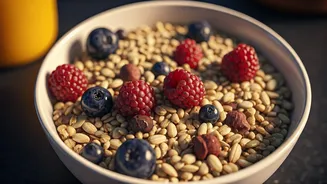



The Protein Pendulum
For a long time, the prevailing wisdom for a healthy start was to load up on protein and slash carbohydrates. The thinking was that a high-protein breakfast keeps you full, builds muscle, and helps with weight loss. [19] While protein is undeniably crucial
for a morning meal—it supports muscle health, curbs appetite, and helps control blood sugar—an exclusive focus on it can be misguided. [12, 19] Diets that severely restrict carbohydrates can lead to nutrient deficiencies, constipation, headaches, and other negative side effects. [9, 14, 18] Some large-scale studies even suggest that very low-carb diets are unsafe in the long term and should be avoided. [16, 21] Nutritionists now argue that while protein is a star player, it shouldn't be the only one on the field.
What 'Balanced' Really Means
A truly balanced breakfast isn't about eliminating food groups; it's about combining them intelligently. Nutrition experts agree that an ideal morning meal includes three core components: high-quality protein, fibre-rich carbohydrates, and healthy fats. [4, 12] This combination provides a steady release of energy, keeps you feeling full for longer, and supplies your body with a wide range of essential vitamins and minerals. [5] Think of it as a three-legged stool: protein for satiety and muscle repair, complex carbs for quick brain and body fuel, and healthy fats for sustained energy and hormone health. [5, 6, 12] Without all three, your energy levels are likely to crash.
Energy, Not Exhaustion
The primary benefit of a balanced breakfast is sustained energy. While protein is very filling, your brain and body's preferred quick energy source is glucose, which comes from carbohydrates. [5] By including complex carbohydrates like whole grains or fruit, you give your brain the immediate fuel it needs to improve focus and alertness. [5, 13] The protein and healthy fats then kick in to slow digestion, preventing the dreaded mid-morning blood sugar spike and subsequent crash that often follows a carb-only meal. [5] This balanced approach ensures you feel full, focused, and energetic straight through to lunch, reducing the temptation to reach for unhealthy snacks. [4, 22]
Your New Breakfast Blueprint
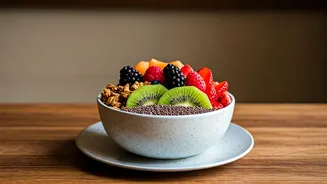
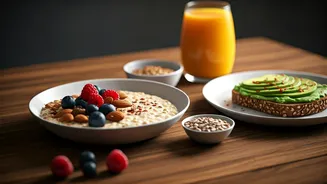
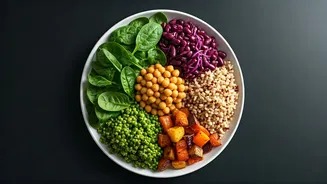
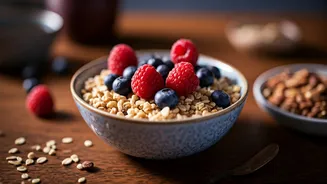
Building a balanced breakfast is easier than you think and doesn't require complicated recipes. The goal is to simply mix and match from the three main food groups. [1] For protein, think eggs, Greek yogurt, cottage cheese, or nuts. [4] For fibre-rich carbs, choose whole-grain toast, oatmeal, or fruit like berries and bananas. [3, 6] For healthy fats, add avocado, nuts, seeds like chia or flax, or a drizzle of olive oil. [6, 12] Some simple and effective combinations include: whole-grain toast with avocado and a poached egg; a bowl of oatmeal topped with berries and a handful of almonds; or a smoothie made with Greek yogurt, spinach, and a banana. [3, 6] Even leftovers, like chicken and vegetables, can make for a perfectly balanced morning meal. [12]