





Deconstructing Chaat: The Philosophy
The magic of any chaat lies in its symphony of textures and flavors: the crispy base, the soft fillings, the tangy and spicy chutneys, and the savory crunch on top. A truly smart approach to healthy chaat doesn't just cut oil; it re-engineers each of these
elements. The goal is to preserve the experience while upgrading the nutritional profile. This involves identifying the role of each ingredient—be it the fried papdi for crunch or the sev for a savory finish—and then finding a lighter, more wholesome substitute that performs the same function.
The Makhana Magic: A Superior Crunch
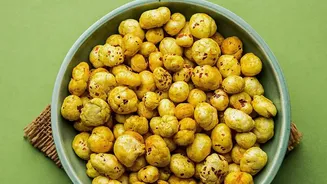
At the heart of this low-oil revolution is makhana, or fox nuts. These puffed lotus seeds are a nutritional powerhouse, low in calories and fat but rich in protein and fiber. When dry-roasted or air-fried with a minimal amount of ghee or oil, makhana becomes incredibly crunchy, making it the perfect replacement for deep-fried elements. For a healthy bhel puri, simply swap out some of the puffed rice for roasted makhana. This not only adds a delightful crunch but also boosts the protein content, keeping you fuller for longer. A Makhana Bhel, with onions, tomatoes, and chutneys, is a quick, 10-minute snack that delivers all the satisfaction of traditional bhel without the guilt.
Beyond the Fryer: Baking and Air-Frying
The secret weapon for many home cooks is modern kitchen technology. Papdis, the crunchy discs that form the base of sev puri and dahi papdi chaat, are traditionally deep-fried. The healthier alternative is to bake them. Simply roll out a firm dough of whole wheat flour, prick the discs with a fork to prevent puffing, and bake in a preheated oven until golden and crisp. Similarly, the fine chickpea flour noodles known as sev can also be baked. This significantly cuts down on oil without compromising the essential crunchy texture required for authentic chaat. Even samosas and tikkis can be made in an air-fryer, achieving a satisfyingly crisp exterior with just a brush of oil.
Flavorful, Lighter Chutneys and Fillings
The soul of chaat lies in its chutneys. The sweet and tangy tamarind chutney can be made healthier by using dates and jaggery as natural sweeteners instead of refined sugar. The spicy green chutney, made from coriander and mint, is naturally healthy and can be made without any oil. For dahi-based chaats, using thick, whisked yogurt provides a creamy texture without the need for heavy cream. To enhance the nutritional value of fillings, consider adding boiled chickpeas, sprouted moong beans, or a colorful mix of finely chopped cucumber and pomegranate seeds for added freshness and fiber.
Assembling Your Healthy Masterpiece
Now, it's time to put it all together. For a vibrant and healthy Papdi Chaat, arrange your baked papdis on a plate. Top them with boiled potato cubes and sprouted moong. Drizzle generously with whisked yogurt, followed by the date-tamarind and mint-coriander chutneys. Finish with a sprinkle of chaat masala, roasted cumin powder, and a garnish of fresh coriander and pomegranate arils. The key is to assemble the chaat just before serving to ensure the baked and roasted elements remain crispy and do not turn soggy.